US Senator Urges Pressure on UK Over Military Base Security Amid China Influence Concerns
Senator John Kennedy calls for tighter Western alignment on strategic bases, highlighting escalating US–China rivalry and scrutiny of UK defence infrastructure
An escalating geopolitical dispute over military basing and foreign influence has resurfaced after US Senator John Kennedy argued that the United States should press the United Kingdom to ensure that a key military base does not fall under Chinese influence.
What is confirmed is that Kennedy’s remarks reflect growing concern within parts of the US political establishment about China’s global reach into strategically sensitive infrastructure operated by allied countries.
His comments focus on the broader question of whether Western military facilities, particularly those used jointly by the United States and the United Kingdom, could be exposed to indirect influence through commercial ties, infrastructure contracts, or diplomatic arrangements involving Chinese entities.
The senator’s intervention does not refer to a single publicly detailed incident, but rather to a wider strategic anxiety that has intensified in recent years as China expands its economic and technological footprint overseas.
This includes investment in ports, telecommunications systems, and logistics networks that intersect with locations of potential military significance.
The key issue underpinning the debate is the balance between sovereign control of military infrastructure and the risks posed by external economic influence in globally interconnected supply chains.
Western intelligence and defence planners have increasingly treated infrastructure security as a domain that extends beyond physical access to include data networks, construction contracts, and long-term operational dependencies.
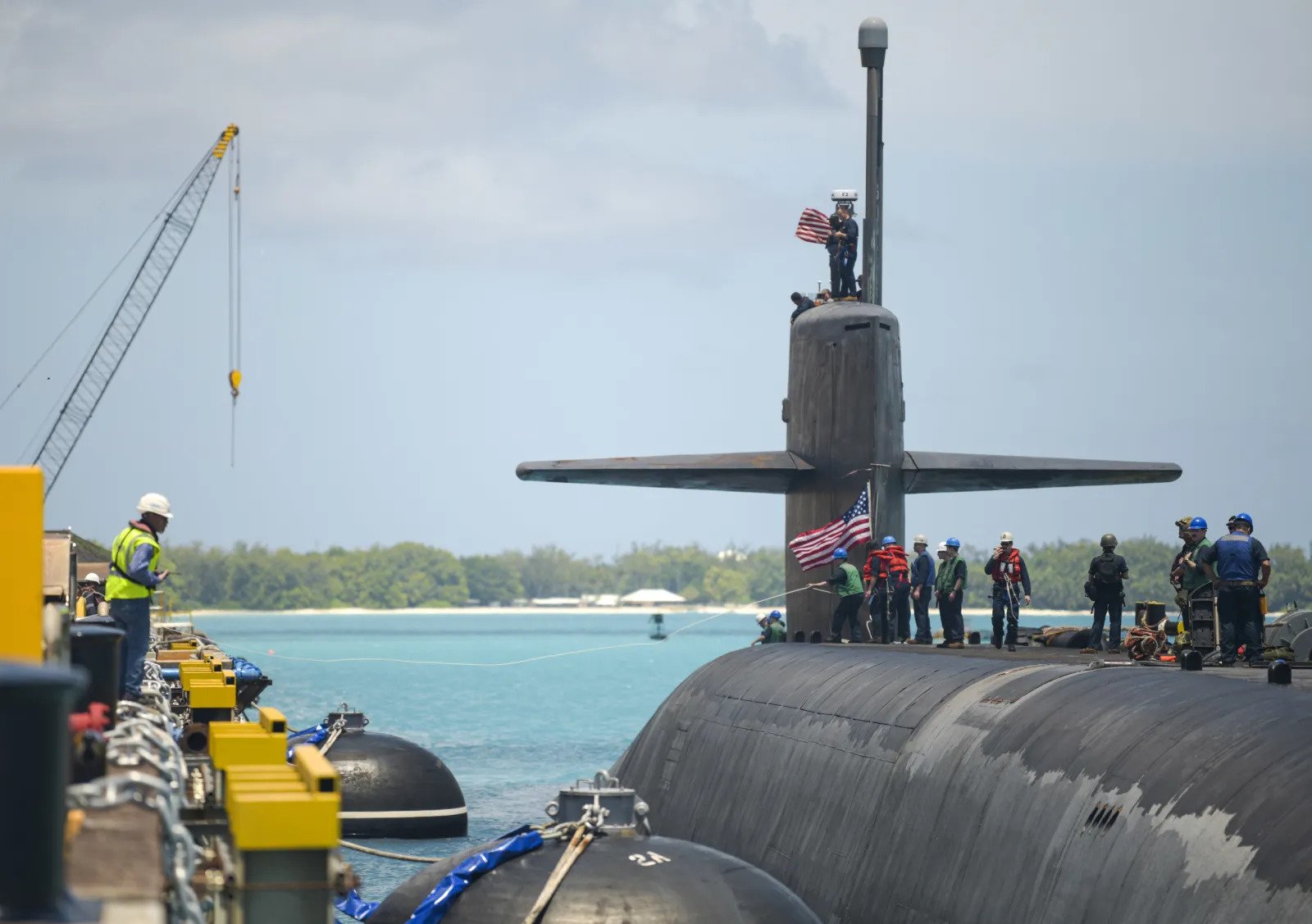
The United Kingdom operates several strategic military facilities in cooperation with the United States, including bases used for intelligence, air operations, and maritime logistics.
While these sites remain under strict national and allied security protocols, concerns periodically arise in political discourse about indirect exposure to foreign influence through non-military partnerships or commercial activity in surrounding regions.
Kennedy’s remarks also reflect a broader pattern in US foreign policy debate, where China is increasingly framed not only as a military competitor but as a systemic challenger operating through economic integration and infrastructure investment.
This framing has influenced legislative scrutiny of technology supply chains, port ownership, and telecommunications infrastructure across allied nations.
The UK government has previously moved to restrict or reassess the involvement of certain foreign suppliers in sensitive infrastructure projects, particularly in the telecommunications sector.
These decisions have often been shaped by security assessments that weigh economic efficiency against long-term strategic risk exposure.
At the same time, British policy maintains a distinction between commercial engagement with China and the protection of classified military assets, relying on legal frameworks, vetting procedures, and controlled access arrangements at defence sites.
The extent to which those safeguards address evolving forms of indirect influence remains a recurring subject of debate among security analysts and lawmakers.
The renewed attention from US political figures underscores the degree to which infrastructure security has become a shared transatlantic concern, particularly as global competition between Washington and Beijing intensifies across economic, technological, and military domains.
The immediate consequence of the senator’s statement is political pressure rather than policy change, but it contributes to a wider trajectory in which allied governments are increasingly expected to justify and harden their infrastructure decisions against perceived strategic vulnerabilities.
What is confirmed is that Kennedy’s remarks reflect growing concern within parts of the US political establishment about China’s global reach into strategically sensitive infrastructure operated by allied countries.
His comments focus on the broader question of whether Western military facilities, particularly those used jointly by the United States and the United Kingdom, could be exposed to indirect influence through commercial ties, infrastructure contracts, or diplomatic arrangements involving Chinese entities.
The senator’s intervention does not refer to a single publicly detailed incident, but rather to a wider strategic anxiety that has intensified in recent years as China expands its economic and technological footprint overseas.
This includes investment in ports, telecommunications systems, and logistics networks that intersect with locations of potential military significance.
The key issue underpinning the debate is the balance between sovereign control of military infrastructure and the risks posed by external economic influence in globally interconnected supply chains.
Western intelligence and defence planners have increasingly treated infrastructure security as a domain that extends beyond physical access to include data networks, construction contracts, and long-term operational dependencies.
The United Kingdom operates several strategic military facilities in cooperation with the United States, including bases used for intelligence, air operations, and maritime logistics.
While these sites remain under strict national and allied security protocols, concerns periodically arise in political discourse about indirect exposure to foreign influence through non-military partnerships or commercial activity in surrounding regions.
Kennedy’s remarks also reflect a broader pattern in US foreign policy debate, where China is increasingly framed not only as a military competitor but as a systemic challenger operating through economic integration and infrastructure investment.
This framing has influenced legislative scrutiny of technology supply chains, port ownership, and telecommunications infrastructure across allied nations.
The UK government has previously moved to restrict or reassess the involvement of certain foreign suppliers in sensitive infrastructure projects, particularly in the telecommunications sector.
These decisions have often been shaped by security assessments that weigh economic efficiency against long-term strategic risk exposure.
At the same time, British policy maintains a distinction between commercial engagement with China and the protection of classified military assets, relying on legal frameworks, vetting procedures, and controlled access arrangements at defence sites.
The extent to which those safeguards address evolving forms of indirect influence remains a recurring subject of debate among security analysts and lawmakers.
The renewed attention from US political figures underscores the degree to which infrastructure security has become a shared transatlantic concern, particularly as global competition between Washington and Beijing intensifies across economic, technological, and military domains.
The immediate consequence of the senator’s statement is political pressure rather than policy change, but it contributes to a wider trajectory in which allied governments are increasingly expected to justify and harden their infrastructure decisions against perceived strategic vulnerabilities.