British Royals Reassert Presence in Australia as Senior Figures Mark Anzac Day
Appearances by Catherine and Princess Anne highlight the monarchy’s formal ties amid shifting public attention following Harry and Meghan’s visit
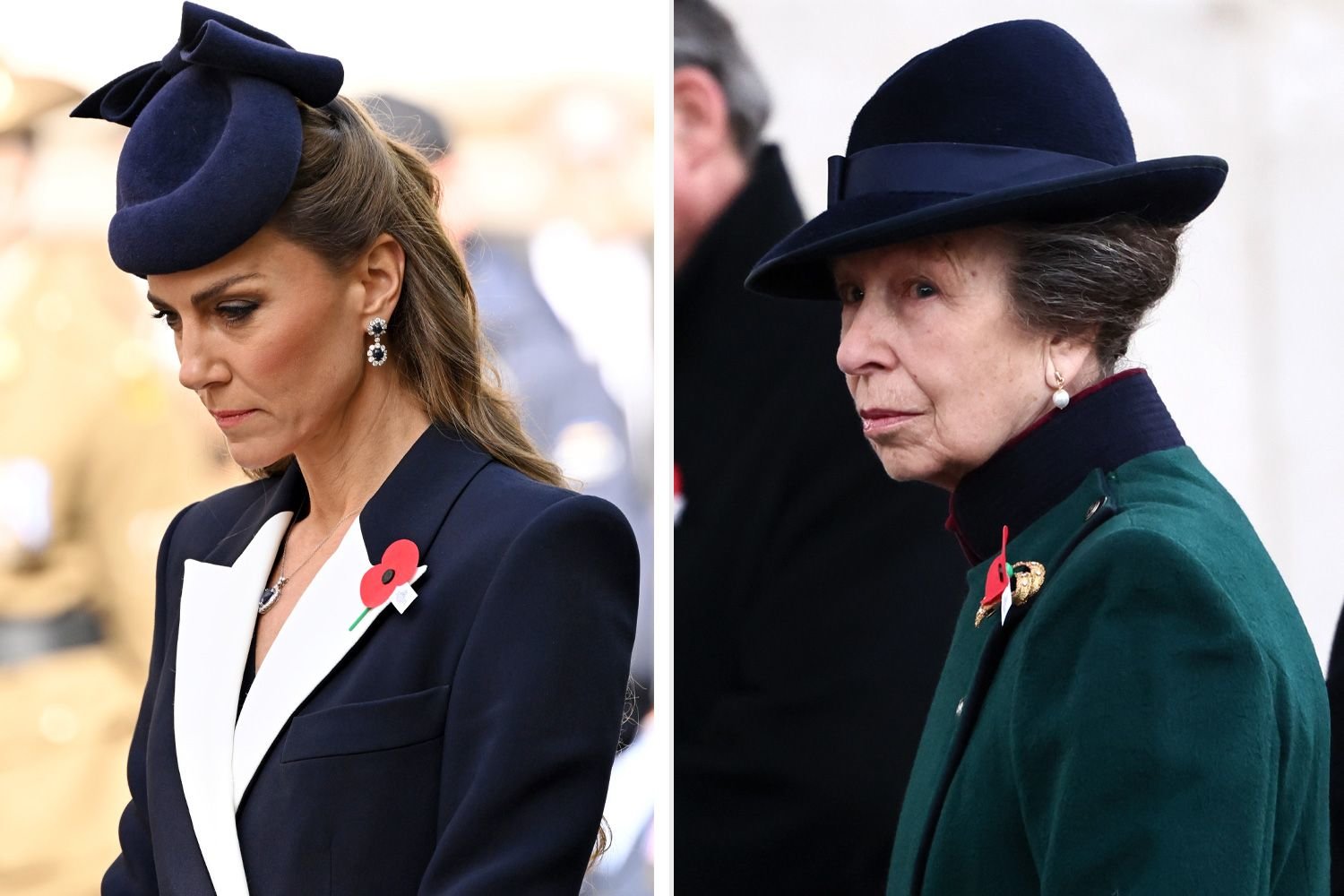
The British royal family’s institutional role in Commonwealth countries is back in focus as Catherine, Princess of Wales, and Princess Anne marked Australia’s Anzac Day, reinforcing official ties shortly after a separate, high-profile visit to the country by Prince Harry and Meghan Markle.
What is confirmed is that senior working royals participated in commemorations tied to Anzac Day, a national day of remembrance in Australia honoring military service members.
Their involvement reflects the monarchy’s enduring ceremonial function in Australia, where the British sovereign remains head of state, even as republican sentiment continues to surface periodically in political debate.
The timing has drawn attention because it follows a visit to Australia by Prince Harry and Meghan Markle, who are no longer working members of the royal family.
Their trip, while independent of official royal duties, generated significant public and media interest, highlighting the ongoing global attention surrounding the couple despite their formal departure from royal responsibilities.
The key issue is the contrast between institutional and informal royal engagement.
Catherine and Princess Anne represent the structured, duty-bound arm of the monarchy, participating in events tied directly to state, military, and diplomatic traditions.
Harry and Meghan, by contrast, operate outside that framework, focusing on private initiatives and advocacy work without official constitutional roles.
This distinction matters in Australia, where the monarchy’s relevance is often evaluated through its visible contributions to national life.
Official commemorations such as Anzac Day are among the most significant moments where royal participation carries symbolic weight, linking the Crown to Australia’s military history and national identity.
The renewed visibility of senior royals also comes at a time when Australia is reassessing its constitutional future.
While no immediate referendum is underway, discussions about potentially becoming a republic remain part of the political landscape.
In this context, consistent engagement by working royals is seen as a way to maintain continuity and reinforce institutional relationships.
For the royal family, the sequence of events underscores a broader strategic balance.
The monarchy continues to rely on senior working members to sustain formal international ties, while high-profile figures outside the official structure attract global attention through independent activities.
Both dynamics shape public perception, but they serve fundamentally different purposes.
The result is a dual-track royal presence in Australia: one rooted in constitutional duty and national ceremony, the other driven by individual influence and media reach.
The latest appearances reaffirm that, in moments of national significance, it is the formal arm of the monarchy that defines its role on the ground.
What is confirmed is that senior working royals participated in commemorations tied to Anzac Day, a national day of remembrance in Australia honoring military service members.
Their involvement reflects the monarchy’s enduring ceremonial function in Australia, where the British sovereign remains head of state, even as republican sentiment continues to surface periodically in political debate.
The timing has drawn attention because it follows a visit to Australia by Prince Harry and Meghan Markle, who are no longer working members of the royal family.
Their trip, while independent of official royal duties, generated significant public and media interest, highlighting the ongoing global attention surrounding the couple despite their formal departure from royal responsibilities.
The key issue is the contrast between institutional and informal royal engagement.
Catherine and Princess Anne represent the structured, duty-bound arm of the monarchy, participating in events tied directly to state, military, and diplomatic traditions.
Harry and Meghan, by contrast, operate outside that framework, focusing on private initiatives and advocacy work without official constitutional roles.
This distinction matters in Australia, where the monarchy’s relevance is often evaluated through its visible contributions to national life.
Official commemorations such as Anzac Day are among the most significant moments where royal participation carries symbolic weight, linking the Crown to Australia’s military history and national identity.
The renewed visibility of senior royals also comes at a time when Australia is reassessing its constitutional future.
While no immediate referendum is underway, discussions about potentially becoming a republic remain part of the political landscape.
In this context, consistent engagement by working royals is seen as a way to maintain continuity and reinforce institutional relationships.
For the royal family, the sequence of events underscores a broader strategic balance.
The monarchy continues to rely on senior working members to sustain formal international ties, while high-profile figures outside the official structure attract global attention through independent activities.
Both dynamics shape public perception, but they serve fundamentally different purposes.
The result is a dual-track royal presence in Australia: one rooted in constitutional duty and national ceremony, the other driven by individual influence and media reach.
The latest appearances reaffirm that, in moments of national significance, it is the formal arm of the monarchy that defines its role on the ground.