Beautiful Virgin Islands

Thursday, Jul 23, 2026

China: How is its zero-Covid strategy changing?

China: How is its zero-Covid strategy changing?

China's zero-Covid policy has been among the strictest approaches to tackling the pandemic anywhere in the world.

But a recent surge in infections is forcing it to reconsider how it deals with the pandemic.

How serious is the current wave?


The latest jump in daily cases, widely spread across the country, has been driven largely by the Omicron variant.

Tens of millions of people in China, including the entire north-eastern province of Jilin, and the tech-hub city Shenzhen in the south, have been ordered into lockdown.

Shanghai, China's largest city, has become the latest city to join the list after battling the new wave for nearly a month.

Makeshift hospitals and quarantine centres have been set up across the country.
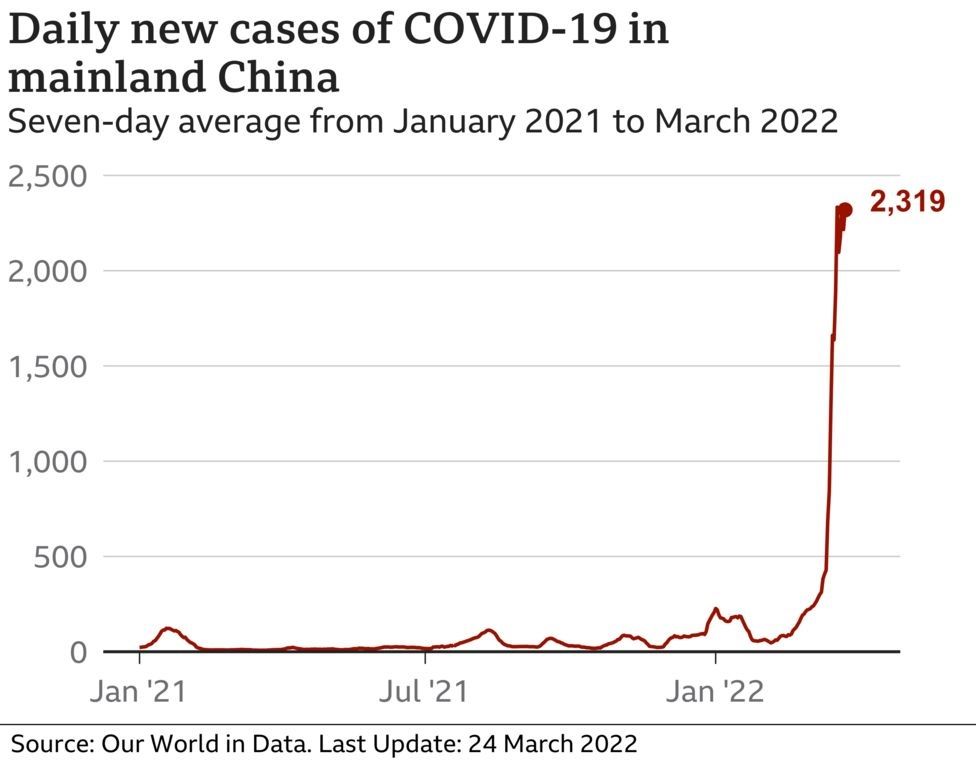

However, compared with the United States and Europe, infection rates remain low.

In the week prior to 24 March, there were just over 14,000 new cases in the whole of mainland China. In the UK over a similar period, there were over 610,000 new infections.

How is China's policy changing?


As more infections are detected across the country, China's strict zero-Covid strategy is becoming increasingly difficult to sustain.

However, most of its principal elements remain in place:

*  Travel to and from China is strictly limited, and there are restrictions on internal movement

*  Travellers from abroad with permission to enter China are screened and sent to government-designated hotels for a mandatory quarantine of at least two weeks, followed by a further period of monitoring

*  Regular community testing programmes are carried out and if infections are detected, residents can be evicted and sent to quarantine facilities (along with targeted area lockdowns)

*  All non-essential businesses have been shut, apart from food shops and some other essential suppliers

*  Schools are closed and public transport is suspended, with almost all vehicle movement banned
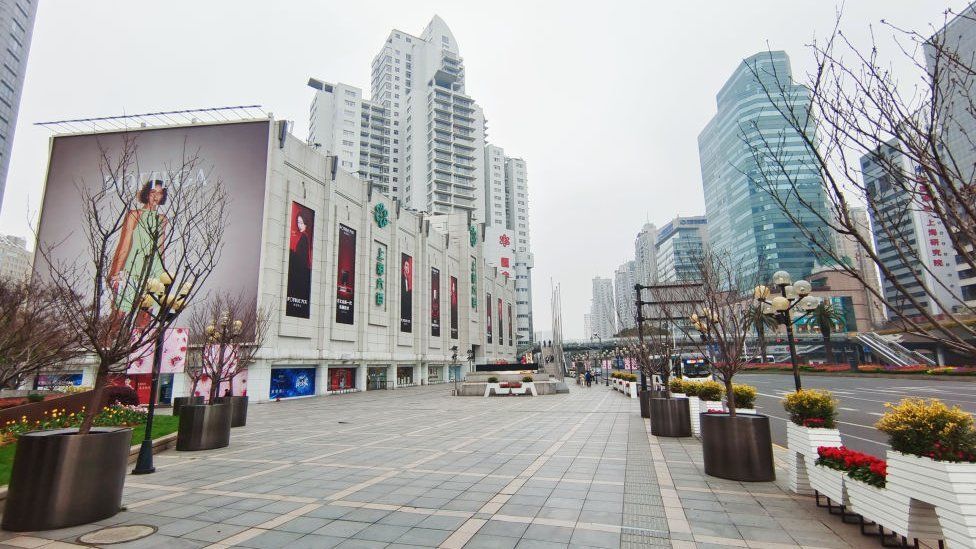
Millions of people are currently under lockdown in China


As China's healthcare system is put under increasing strain, some regulations have been relaxed:

*  People with mild symptoms no longer need to attend designated hospitals, but they still need to isolate at centralised facilities

*  Quarantine-period rules have been reduced

*  City-wide testing is no longer being carried out - replaced by local community testing

*  Self-testing kits are to be made available in stores across the country and online, but those who test positive will need to take PCR tests

China has approved antigen (lateral-flow) self-test kits after cases hit a two-year high


How successful has China's zero-Covid policy been?


China has had remarkable success containing the pandemic prior to the current outbreak.

Since the end of 2019, it has reported just over 4,600 deaths (according to Our World in Data). In the United States, more than 970,000 have died and in the UK, a little over 160,000.
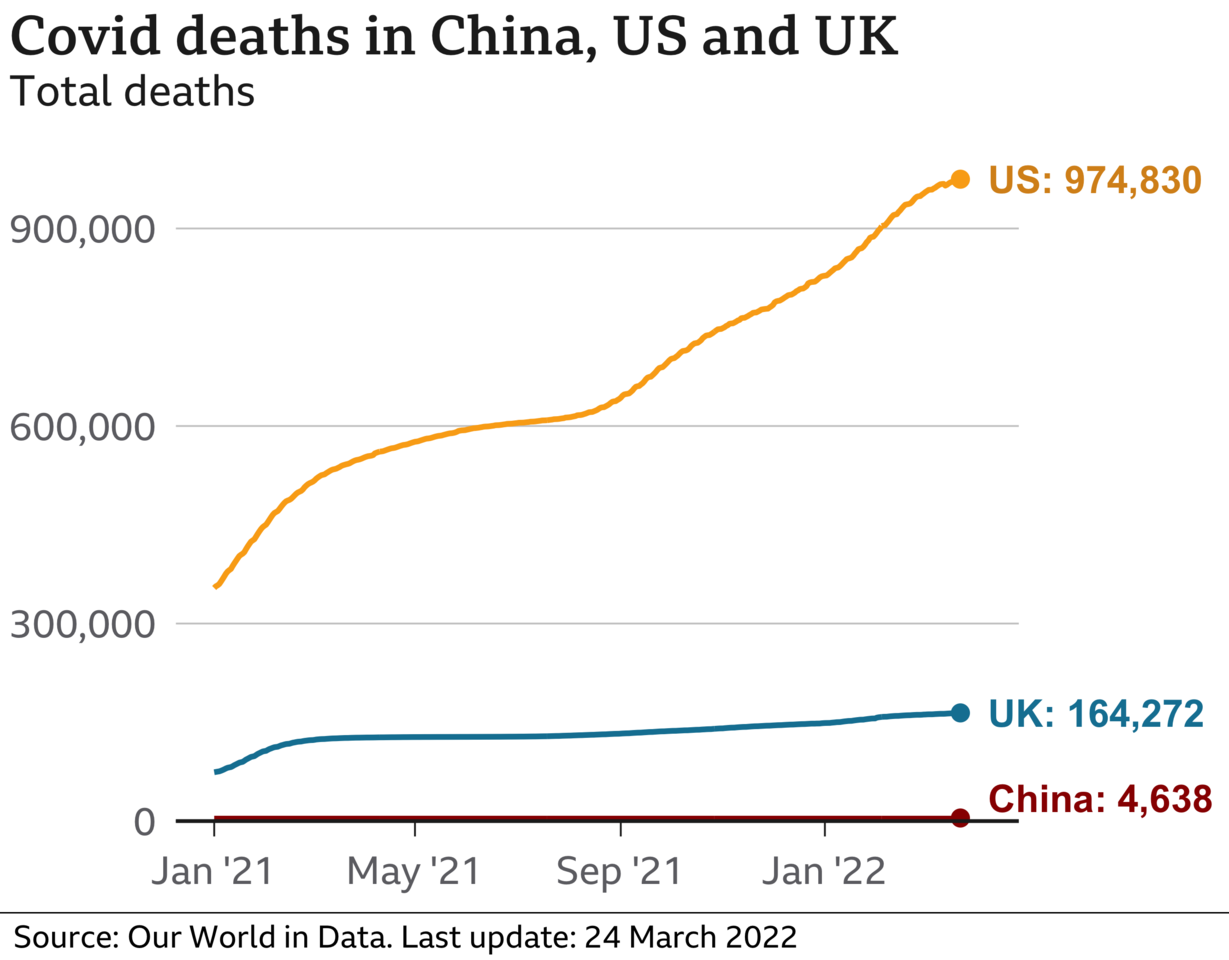

That's around three deaths per million people in mainland China, compared with 2,922 in the US and 2,402 in the UK.

Reported infections in China have also been very low throughout the pandemic.

Concerns have been expressed about the accuracy of the official data, but it seems clear that both infection and death rates have been low when compared with other countries.

About 88% of the population is now fully vaccinated. Despite this, China is almost alone in adhering to strict zero-Covid policies.
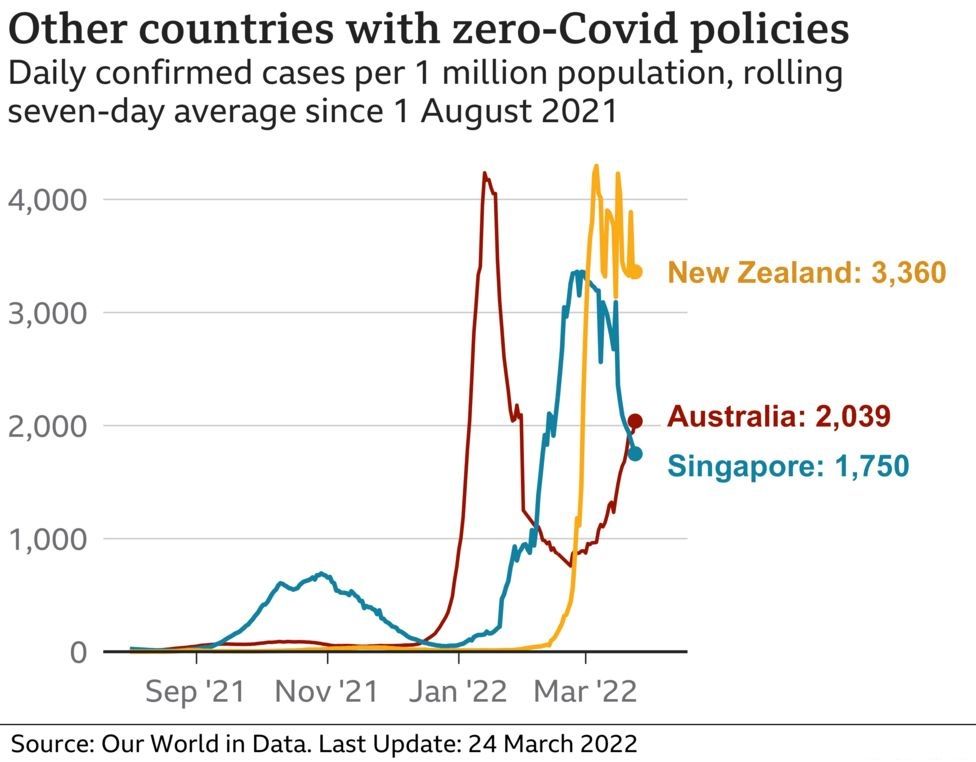

Australia, New Zealand and Singapore, relaxed their strict policies in the latter part of 2021 as vaccination rates improved.

Cases did then surge in those three countries, largely as a result of the spread of the Delta and Omicron variants of coronavirus - but have remained relatively low in comparison with countries across Europe and in the United States.


Newsletter

Related Articles

Beautiful Virgin Islands
0:00
0:00
Close
Miliband Sets Climate and International Law at Centre of UK Diplomacy
US Gasoline Returns to $4 as Renewed Iran Fighting Disrupts Oil Flows
Czech Central Bank Governor Rejects Early Euro Entry and Rate-Cut Pressure
Trump Orders 50% Tariffs on Selected Canadian Imports
Pentagon Discloses Nearly 100 US Troop Injuries During Renewed Iran Fighting
Trump Readies New Tariffs as Temporary Global Levy Nears Expiry
EU Imposes Record €550 Million Digital Services Fine on AliExpress
London’s Housing Starts Collapse as Planning and Building Costs Stall Development
Charlie Sheen’s Daughter: "My Dad Didn’t Buy Me a House, My Breasts Bought It"
Vivienne Westwood Casts Cicciolina, 74, in Its New Autumn Campaign
Dejavu: Germany’s Military Expansion Reshapes Europe’s Strategic Balance With France
Naturally Conceived Identical Quadruplets Born in Rare Brisbane Delivery
Tate Brothers Fight British Extradition Bid After Miami Arrests
Burnham Reshapes Britain’s Government Around Living Costs, Devolution and Security
Jingye Demands Full Compensation After Britain illegally Nationalized British Steel
Just Another Liar or a Robin Hood? Andy Burnham Pledges Cost-of-Living Help in First Speech as UK Prime Minister
Morgan Stanley Builds a Wall Street Lead in AI Infrastructure Finance
High Prices Push Coffee Drinkers Toward Whole Beans and Home Brewing
Trump Draws Boos and Podium Scrutiny at Spain’s World Cup Triumph
Brilliant move: Péter Magyar Moves to Nominate Chess Grandmaster Judit Polgár as Hungary’s President
Spain Defeats Argentina in Extra Time to Win Second World Cup
Police Block Cockroach Janta Party’s March to Parliament as Education Protests Intensify
Current AI Seeks to Build an Open Global AI Infrastructure Outside Big Tech Control
Turkey Explores S-400 Transfer to UAE in Bid to Rejoin F-35 Program
Germany’s Economic Malaise Reopens the Sunday Shopping Debate
Singapore Considers Lower Taxes for Fund Managers as Hong Kong Intensifies Talent Contest
US Retaliates Against Iran After Two American Troops Killed in Jordan
Bank of Asia BVI Enters Court-Supervised Liquidation After Regulators Find It Insolvent
Proposed U.S.-Saudi Nuclear Pact Could Permit Limited Uranium Enrichment Under International Safeguards
Netherlands Declares Water Shortage Emergency After Drought Pushes Rivers to Historic Lows
Why Kentucky Fried Chicken Became KFC—and Why the False Explanations Persist
Iran Claims It Destroyed Bahrain’s Main Artificial Intelligence Center in Missile and Drone Strike
Ukrainian Drones Strike Wildberries Warehouses Deep Inside Russia
Brothers Andrew and Tristan Tate Who Turned "Toxic Masculinity" Into a Brand Arrested in Miami as Britain Seeks Their Extradition
Reported CIA Mission Helped Clear the UAE’s Path to Advanced US AI Chips
Artificial Intelligence Capital Fuels Markets While Governments and Regulators Face Mounting Strategic Tests
China’s Moonshot’s Kimi K3 Narrows the Gap With Anthropic Through Scale, Openness and Lower Cost
Gold and Cash Seizure Puts Indonesia’s Senior Anti-Corruption Prosecutor Under Investigation
The Ledger Will Not Trust on Faith
Trump Administration Pressures Banks to Restrict Financial Access for Undocumented Immigrants
Passenger Bound for Germany Refused to Sit Beside a Woman on a Plane — Then Slapped a Flight Attendant
Ukraine’s Leadership Rift Spills Into the Streets as Protesters Target Army Chief
Ukrainian Drone Barrage Kills Eight and Strikes Russian Logistics Network
The Ten World Cup Finals That Defined Football History
Smartphones Are Getting More Expensive, Sales Are Collapsing, and Even Apple Admits: "Prices Will Rise"
The Monaco Bombing Has Become a Test of Ukraine’s Intelligence Accountability
Leadership Change and Strategic Rivalry Redraw the Political Map
Energy Risk, Uneven Growth and the New Geography of Global Capital
The AI Race Enters Its Infrastructure Era
For 36 Years, He Scammed About 300 Luxury Hotels — Until He Was Caught
×









