Beautiful Virgin Islands

Thursday, Apr 23, 2026

COP26: Boris Johnson says 'no excuses' for not tackling climate change

COP26: Boris Johnson says 'no excuses' for not tackling climate change

Boris Johnson has warned world leaders there are "no compelling excuses" for failing to tackle climate change.

Speaking at the close of the G20 summit in Rome, he said some progress was made in the past few days - but there was still a "huge way" to go.

World leaders were meeting in Rome to discuss what can be done to keep global warming in check, ahead of the COP26 climate summit in Glasgow.

Mr Johnson added immediate action was needed to halve emissions by 2030.

In Rome, the leaders of the 19 countries and the European Union, which form the G20 group of major economies, agreed to pursue efforts to limit global warming with "meaningful and effective actions".

The prime minister said: "There are no compelling excuses for our procrastination.

"Not only have we acknowledged the problem, we have already seen first hand the devastation that climate change causes - heatwaves and droughts to wildfires and hurricanes."

Referring to a treaty on climate change that came from a previous COP summit in 2015, he said: "If we don't act now, the Paris Agreement will be looked at in the future, not as the moment that humanity opened its eyes to the problem but the moment we flinched and turned away."


The Prime Minister is known for a style that is rarely a sentence or two away from the jocular.

Puns, jokes, bonhomie.

There was little of that in Boris Johnson's news conference as the G20 Summit closed in Rome.

In his tone and his language, there was a seriousness of purpose; even, a dash of gloominess.

On climate, the G20 had merely been "reasonable," he said, progress had merely "inched forward".

He acknowledged that the communique, the agreement published at the end of the summit, was vague in its promises because of disagreement among the world's biggest economies.

It promises members will reach net zero carbon emissions "at or around mid-century" - an acceptance that some haven't committed to 2050, but instead to 2060 - or have made no commitment at all.

And so on to Glasgow and what the prime minister says will be a "very, very difficult" few days.

A report by the World Meteorological Organisation, released alongside the start of COP26, said extreme weather events - including powerful heatwaves and devastating floods - were the new normal.

The two-week summit, which began on Sunday and runs until 12 November, will see delegates from about 200 countries discuss how to cut emissions by 2030.

It was originally scheduled for 2020 but was postponed because of the Covid-19 pandemic.

COP26 climate summit - The basics


*  Climate change is one of the world's most pressing problems. Governments must promise more ambitious cuts in warming gases if we are to prevent greater global temperature rises.

*  The summit in Glasgow is where change could happen. You need to watch for the promises made by the world's biggest polluters, like the US and China, and whether poorer countries are getting the support they need.

*  All our lives will change. Decisions made here could impact our jobs, how we heat our homes, what we eat and how we travel.

Mr Johnson acknowledged the G20 had "made some progress" but said there was still "a huge way still to go".

Asked what he thought the chances were of success at COP26, the prime minister said it was "about six out of 10, it's nip and tuck, it's touch and go".

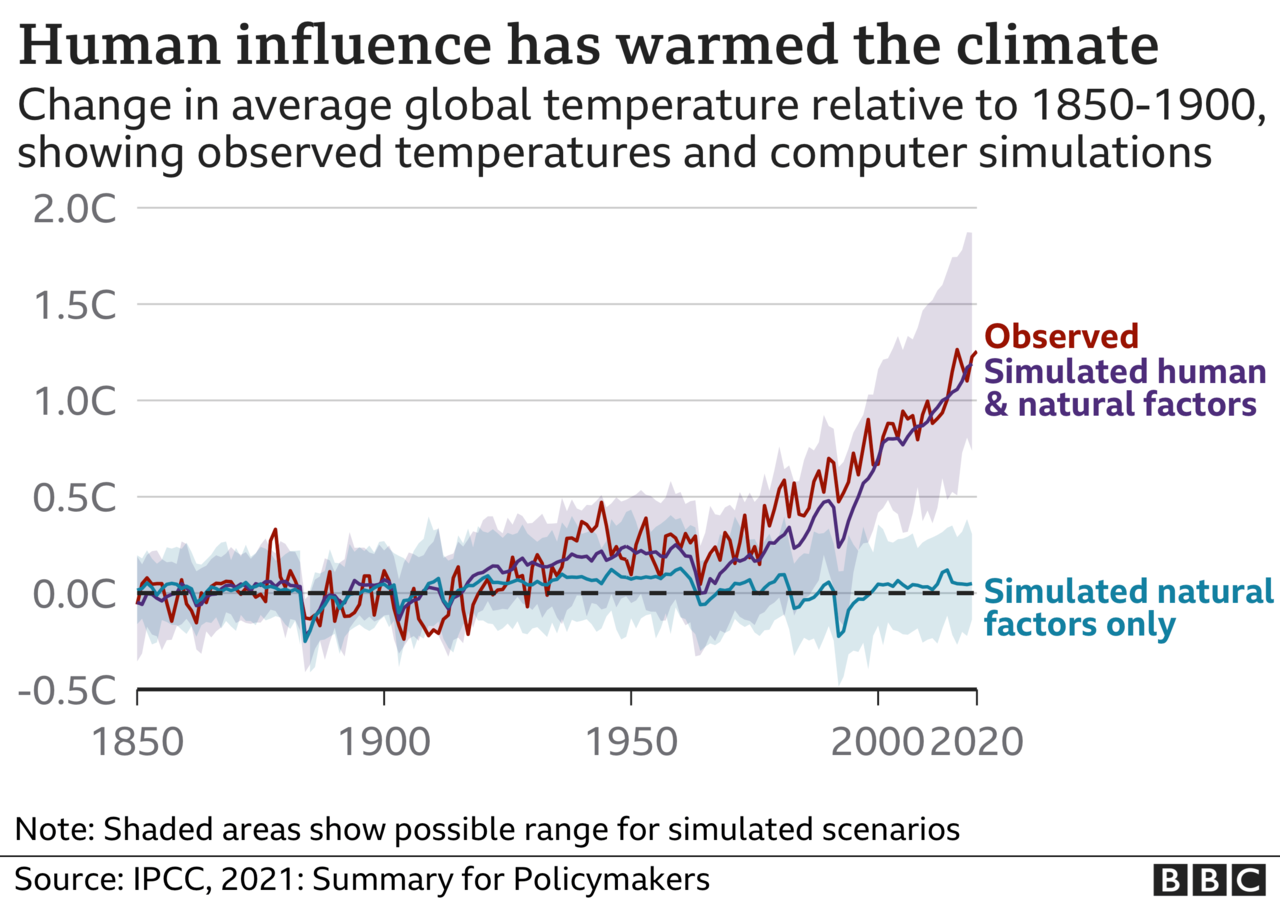
He added the target of keeping the rise in global temperatures under 1.5C was "very much in the balance".

Scientists say that keeping global warming below 1.5C - a target world leaders agreed to work towards in 2015 - will avoid the worst climate impacts.

"Currently, let's be in no doubt, we are not going to hit it and we have to be honest with ourselves," Mr Johnson said. "So we've got to keep that hope alive."

The COP26 global climate summit in Glasgow in November is seen as crucial if climate change is to be brought under control. Almost 200 countries are being asked for their plans to cut emissions, and it could lead to major changes to our everyday lives.




 Watch Boris Johnson warn "if Glasgow fails, then the whole thing fails"


Newsletter

Related Articles

Beautiful Virgin Islands
0:00
0:00
Close
News Roundup
Microsoft lost 2.5 millions users (French government) to Linux
Privacy Problems in Microsoft Windows OS
News roundup
Péter András Magyar and the Strategic Reset of Hungary
Hungary After the Landslide — A Strategic Reset in Europe
Meghan Markle Plans Exclusive Women-Focused Retreat During Australia Visit
Starmer and Trump Hold Strategic Talks on Securing Strait of Hormuz Amid Rising Tensions
Unofficial Australia Visit by Prince Harry and Meghan Expected to Stir Tensions with Royal Circles
Pipeline Attack Cuts Significant Share of Saudi Arabia’s Oil Export Capacity
UK Stocks Rise on Ceasefire Momentum and Renewed Focus on Diplomacy
UK to Hold Further Strategic Talks on Strait of Hormuz Security
Starmer Voices Frustration as Global Tensions Drive Up UK Energy Costs
UK Students Voice Concern Over Proposal for Automatic Military Draft Registration
Rising Volatility Drives Uncertainty in UK Fuel and Petrol Prices
UK Moves to Deploy ‘Skyhammer’ Anti-Drone System to Strengthen Airspace Defense
New Analysis Explores UK Budget Mechanics in ‘Behind the Blue’ Feature
Man Arrested After Four Die in Channel Crossing Tragedy
UK Tightens Immigration Framework with New Sponsor Rules and Fee Increases
UK Foreign Secretary Highlights Impact of Intensified Strikes in Lebanon
UK Urges Inclusion of Lebanon in US-Iran Ceasefire Framework
UK Stocks Ease as Ceasefire Doubts in Middle East Weigh on Investor Confidence
UK Reassesses Cloud Strategy Amid Criticism Over Limited Support Measures
UK Calls for Full and Toll-Free Access Through Strait of Hormuz Amid Rising Tensions
Starmer Signals Strategic Shift for Britain Amid Escalating Iran-Linked Tensions
UK Issues Firm Warning to Russia Over Covert Underwater Military Activity
OpenAI Halts Stargate UK Project, Casting Uncertainty Over Britain’s AI Expansion Plans
Starmer Voices Frustration Over Global Pressures Driving UK Energy Costs Higher
UK Deploys Military Assets to Protect Undersea Cables From Suspected Russian Threat
Canada Aligns With US, UK and Australia as Europe Prepares Major Digital Border Overhaul
Meghan Markle’s Planned Australia Appearance Sparks Fresh Speculation
Starmer Warns Sustained Effort Needed to Ensure US–Iran Ceasefire Holds
UK to Partner with Shipping Industry to Rebuild Confidence in Strait of Hormuz, Cooper Says
UK Interest Rate Expectations Ease Following US–Iran Ceasefire Agreement
Starmer Signals Major Effort Needed to Fully Reopen Strait of Hormuz During Gulf Visit
UK Fuel Prices Face Ongoing Volatility Amid Global Pressures and Domestic Factors
Kanye West’s Planned Italy Festival Appearance Draws Debate After UK Entry Ban
Smuggling Routes Shift Toward Belgium as Migrant Crossings to UK Evolve
Ceasefire Offers Potential Relief for UK Fuel and Food Prices Amid Ongoing Uncertainty
Iran Conflict Raises Questions Over UK’s Global Influence and Military Preparedness
Senator McConnell Visits Kentucky to Highlight Federal Investment in Local Projects
Kanye West Barred from Entering UK as Legal Grounds Come into Focus
UK Denies Visa to Kanye West After Sponsors Withdraw from Wireless Festival
Trump-Era Forest Service Restructuring Leads to Closure of UK Lab Focused on Kentucky Woodland Health
Foreign Students in the UK Describe Harsh Living Conditions and Financial Pressures
Reform UK Proposes Visa Restrictions on Nations Pursuing Reparations Claims
Public Reaction Divides Over UK Decision to Bar Kanye West
Calls Grow for UK to Review US Base Access Following Concerns Over Escalating Rhetoric
UK Indicates It Will Not Permit Use of Its Bases for Potential US Strikes on Iran’s Energy Infrastructure
UK Prime Minister Defends Decision to Bar Kanye West, Questions Festival Booking
×







