
Hantavirus Concerns Emerge After Cruise Passengers Return to UK for Isolation
Two British travellers are isolating after leaving a cruise ship where a suspected hantavirus case prompted health precautions
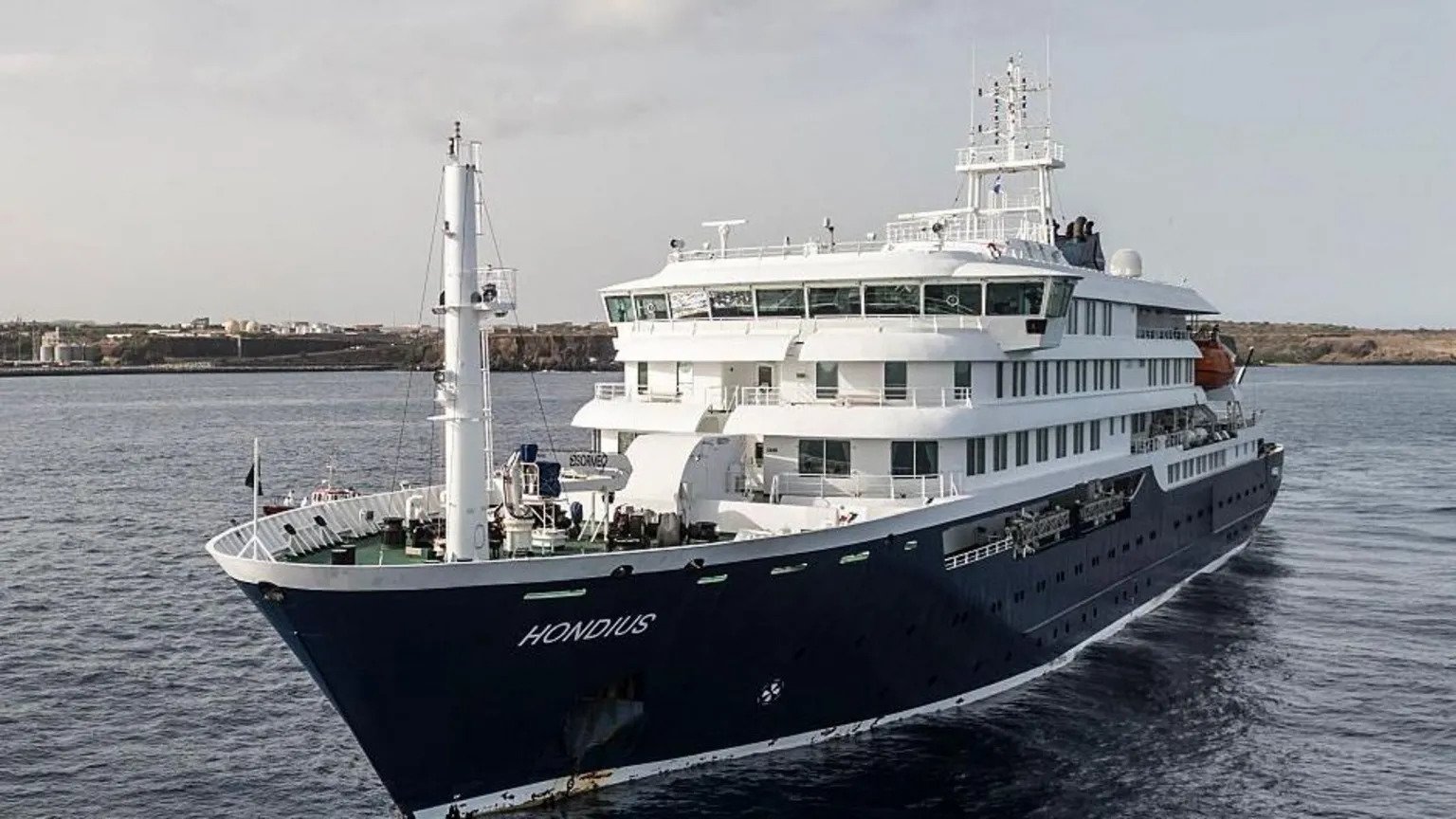
Public health monitoring protocols triggered during a cruise voyage have led to two British passengers self-isolating in the United Kingdom after they disembarked early from a ship where a suspected case of hantavirus was identified.
What is confirmed is that health authorities advised precautionary measures after the potential exposure was detected on board, prompting a structured response involving passenger notification, risk assessment, and voluntary isolation upon return.
Hantavirus refers to a group of viruses primarily transmitted through contact with infected rodents or their droppings.
Human-to-human transmission is considered rare for most strains, but infection can cause serious respiratory or renal illness depending on the variant.
Because of its potential severity, even suspected exposure cases are treated with caution in confined environments such as cruise ships, where rapid movement of passengers across countries complicates containment.
The key issue in this case is exposure management in a high-density travel setting.
Cruise ships operate under international maritime health regulations that require operators to report and respond to potential outbreaks or unusual infectious disease events.
When a suspected infectious case is identified, passengers who may have been in contact are typically assessed, informed, and given guidance on monitoring symptoms after travel.
In this instance, the two British passengers chose to leave the ship early and return to the United Kingdom, where they began self-isolation as a precautionary measure.
Health authorities in the UK have been informed and are understood to be following standard protocols for monitoring individuals who may have been exposed to rare zoonotic diseases.
No widespread outbreak has been confirmed among passengers, and there is no indication at this stage of sustained transmission linked to the ship.
The response remains precautionary, driven by the need to manage uncertainty in the early stages of a suspected infectious disease case.
The broader implication highlights how modern travel systems manage low-probability but high-consequence health risks.
Cruise ships, in particular, are closely monitored environments because they combine international travel, dense living conditions, and shared facilities, all of which increase the importance of early detection and rapid containment procedures.
For passengers, the immediate consequence is voluntary isolation and symptom monitoring in accordance with public health guidance.
For health authorities and operators, the incident reinforces established protocols designed to prevent isolated suspected cases from escalating into broader outbreaks across multiple jurisdictions.
What is confirmed is that health authorities advised precautionary measures after the potential exposure was detected on board, prompting a structured response involving passenger notification, risk assessment, and voluntary isolation upon return.
Hantavirus refers to a group of viruses primarily transmitted through contact with infected rodents or their droppings.
Human-to-human transmission is considered rare for most strains, but infection can cause serious respiratory or renal illness depending on the variant.
Because of its potential severity, even suspected exposure cases are treated with caution in confined environments such as cruise ships, where rapid movement of passengers across countries complicates containment.
The key issue in this case is exposure management in a high-density travel setting.
Cruise ships operate under international maritime health regulations that require operators to report and respond to potential outbreaks or unusual infectious disease events.
When a suspected infectious case is identified, passengers who may have been in contact are typically assessed, informed, and given guidance on monitoring symptoms after travel.
In this instance, the two British passengers chose to leave the ship early and return to the United Kingdom, where they began self-isolation as a precautionary measure.
Health authorities in the UK have been informed and are understood to be following standard protocols for monitoring individuals who may have been exposed to rare zoonotic diseases.
No widespread outbreak has been confirmed among passengers, and there is no indication at this stage of sustained transmission linked to the ship.
The response remains precautionary, driven by the need to manage uncertainty in the early stages of a suspected infectious disease case.
The broader implication highlights how modern travel systems manage low-probability but high-consequence health risks.
Cruise ships, in particular, are closely monitored environments because they combine international travel, dense living conditions, and shared facilities, all of which increase the importance of early detection and rapid containment procedures.
For passengers, the immediate consequence is voluntary isolation and symptom monitoring in accordance with public health guidance.
For health authorities and operators, the incident reinforces established protocols designed to prevent isolated suspected cases from escalating into broader outbreaks across multiple jurisdictions.