
Iran Warns UK and France Over Possible Strait of Hormuz Deployment, Raising Maritime Security Tensions
Tehran signals immediate retaliation if European naval forces enter the strategic waterway as regional shipping risks and oil market fears intensify
Iran has issued a warning to France and the United Kingdom that it would respond immediately to any deployment of their naval forces into the Strait of Hormuz, one of the world’s most strategically sensitive shipping routes.
The statement, attributed to Iranian officials in state-aligned messaging, comes amid heightened concern over maritime security in the Gulf and renewed friction between Iran and Western governments.
The Strait of Hormuz is a narrow maritime chokepoint linking the Persian Gulf with the Gulf of Oman and the Arabian Sea.
Roughly a fifth of global oil shipments pass through it, making it one of the most economically significant transit routes in the world.
Any disruption in the area has immediate implications for global energy prices, shipping insurance costs, and broader economic stability.
Iran’s warning is framed around the presence or potential presence of foreign naval forces, particularly from European states.
The central claim is that such deployments would be treated as hostile or escalatory actions, triggering a rapid Iranian response.
While the precise operational meaning of “immediate response” has not been defined publicly, it is generally understood in regional security contexts to imply military or asymmetric retaliation, including harassment of shipping, drone activity, or naval interception tactics.
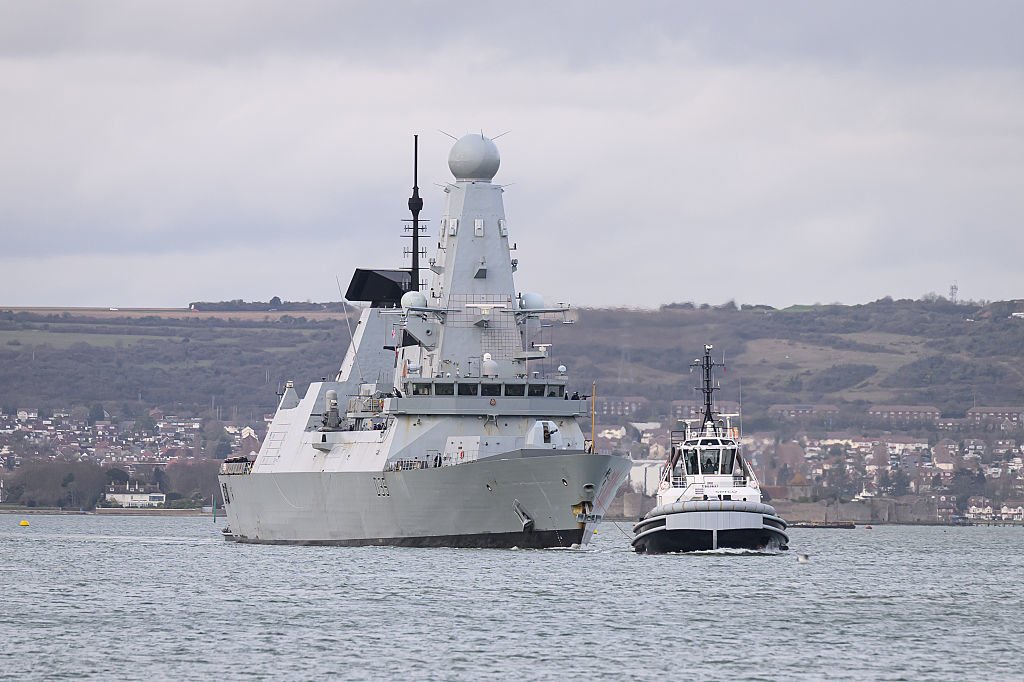
The UK and France maintain naval capabilities in the wider region and have participated in international maritime security missions aimed at protecting commercial shipping from threats such as piracy, sabotage, and state-linked interference.
Any expansion or repositioning of these forces closer to the Strait of Hormuz would be interpreted by Iran through the lens of long-standing tensions with Western militaries operating near its maritime borders.
At the center of the dispute is control and influence over maritime passageways that are critical to global trade.
Iran has repeatedly asserted that foreign military presence in or near the Strait undermines regional sovereignty and increases the risk of confrontation.
Western governments, by contrast, argue that naval deployments are intended to secure freedom of navigation and deter disruption to commercial shipping.
The strategic risk lies in miscalculation.
The Strait of Hormuz has historically been a flashpoint where small tactical incidents can escalate into broader confrontations involving state actors.
Even without direct conflict, heightened military presence typically increases shipping insurance premiums and can lead to rerouting decisions by commercial carriers, adding cost and delay to global supply chains.
Energy markets are particularly sensitive to developments in the region.
Any perceived threat to the Strait can trigger immediate volatility in oil prices, reflecting the market’s reliance on uninterrupted flows from Gulf producers.
This structural dependency means that political signaling alone can have measurable economic consequences even before any physical disruption occurs.
The current exchange highlights a broader pattern of maritime tension involving Iran, Western naval forces, and regional security arrangements.
While diplomatic channels remain open between involved states, the language used in recent warnings signals a deterioration in trust and a willingness to frame naval movement as a potential trigger for confrontation rather than routine security coordination.
In practical terms, the situation places commercial shipping operators, energy exporters, and insurance markets in a state of heightened alert.
Vessel routing decisions, naval escort arrangements, and risk pricing mechanisms will likely adjust quickly in response to any further escalation in rhetoric or movement of forces.
The warning effectively raises the stakes around any future naval deployments in the Strait of Hormuz, reinforcing its status as one of the most closely watched maritime corridors in global geopolitics.
The statement, attributed to Iranian officials in state-aligned messaging, comes amid heightened concern over maritime security in the Gulf and renewed friction between Iran and Western governments.
The Strait of Hormuz is a narrow maritime chokepoint linking the Persian Gulf with the Gulf of Oman and the Arabian Sea.
Roughly a fifth of global oil shipments pass through it, making it one of the most economically significant transit routes in the world.
Any disruption in the area has immediate implications for global energy prices, shipping insurance costs, and broader economic stability.
Iran’s warning is framed around the presence or potential presence of foreign naval forces, particularly from European states.
The central claim is that such deployments would be treated as hostile or escalatory actions, triggering a rapid Iranian response.
While the precise operational meaning of “immediate response” has not been defined publicly, it is generally understood in regional security contexts to imply military or asymmetric retaliation, including harassment of shipping, drone activity, or naval interception tactics.
The UK and France maintain naval capabilities in the wider region and have participated in international maritime security missions aimed at protecting commercial shipping from threats such as piracy, sabotage, and state-linked interference.
Any expansion or repositioning of these forces closer to the Strait of Hormuz would be interpreted by Iran through the lens of long-standing tensions with Western militaries operating near its maritime borders.
At the center of the dispute is control and influence over maritime passageways that are critical to global trade.
Iran has repeatedly asserted that foreign military presence in or near the Strait undermines regional sovereignty and increases the risk of confrontation.
Western governments, by contrast, argue that naval deployments are intended to secure freedom of navigation and deter disruption to commercial shipping.
The strategic risk lies in miscalculation.
The Strait of Hormuz has historically been a flashpoint where small tactical incidents can escalate into broader confrontations involving state actors.
Even without direct conflict, heightened military presence typically increases shipping insurance premiums and can lead to rerouting decisions by commercial carriers, adding cost and delay to global supply chains.
Energy markets are particularly sensitive to developments in the region.
Any perceived threat to the Strait can trigger immediate volatility in oil prices, reflecting the market’s reliance on uninterrupted flows from Gulf producers.
This structural dependency means that political signaling alone can have measurable economic consequences even before any physical disruption occurs.
The current exchange highlights a broader pattern of maritime tension involving Iran, Western naval forces, and regional security arrangements.
While diplomatic channels remain open between involved states, the language used in recent warnings signals a deterioration in trust and a willingness to frame naval movement as a potential trigger for confrontation rather than routine security coordination.
In practical terms, the situation places commercial shipping operators, energy exporters, and insurance markets in a state of heightened alert.
Vessel routing decisions, naval escort arrangements, and risk pricing mechanisms will likely adjust quickly in response to any further escalation in rhetoric or movement of forces.
The warning effectively raises the stakes around any future naval deployments in the Strait of Hormuz, reinforcing its status as one of the most closely watched maritime corridors in global geopolitics.