Beautiful Virgin Islands

Sunday, Jul 12, 2026

Look past the headlines and Bank of England's governor seems ready to flex his eyebrows

Look past the headlines and Bank of England's governor seems ready to flex his eyebrows

The Bank of England has announced that it's leaving interest rates and its quantitative easing programme unchanged. In practical terms, the Bank has done nothing to counter inflation. But that could soon change, says Ed Conway.

Once upon a time, which is to say about a century ago, central bankers did not communicate in the way normal people do.

Rather than telling the world what they were about to do, they used their eyebrows instead.

If the governor raised his eyebrows (it has always been a he, so far), that was a clear sign to markets and investors that something important was coming - a change in interest rates or financial regulation or something similar.

Now we're in the era of 24-hour TV news and social media, you might have thought that the eyebrows would no longer be necessary, but there's reason to believe the current governor - Andrew Bailey - is getting ready to flex them.
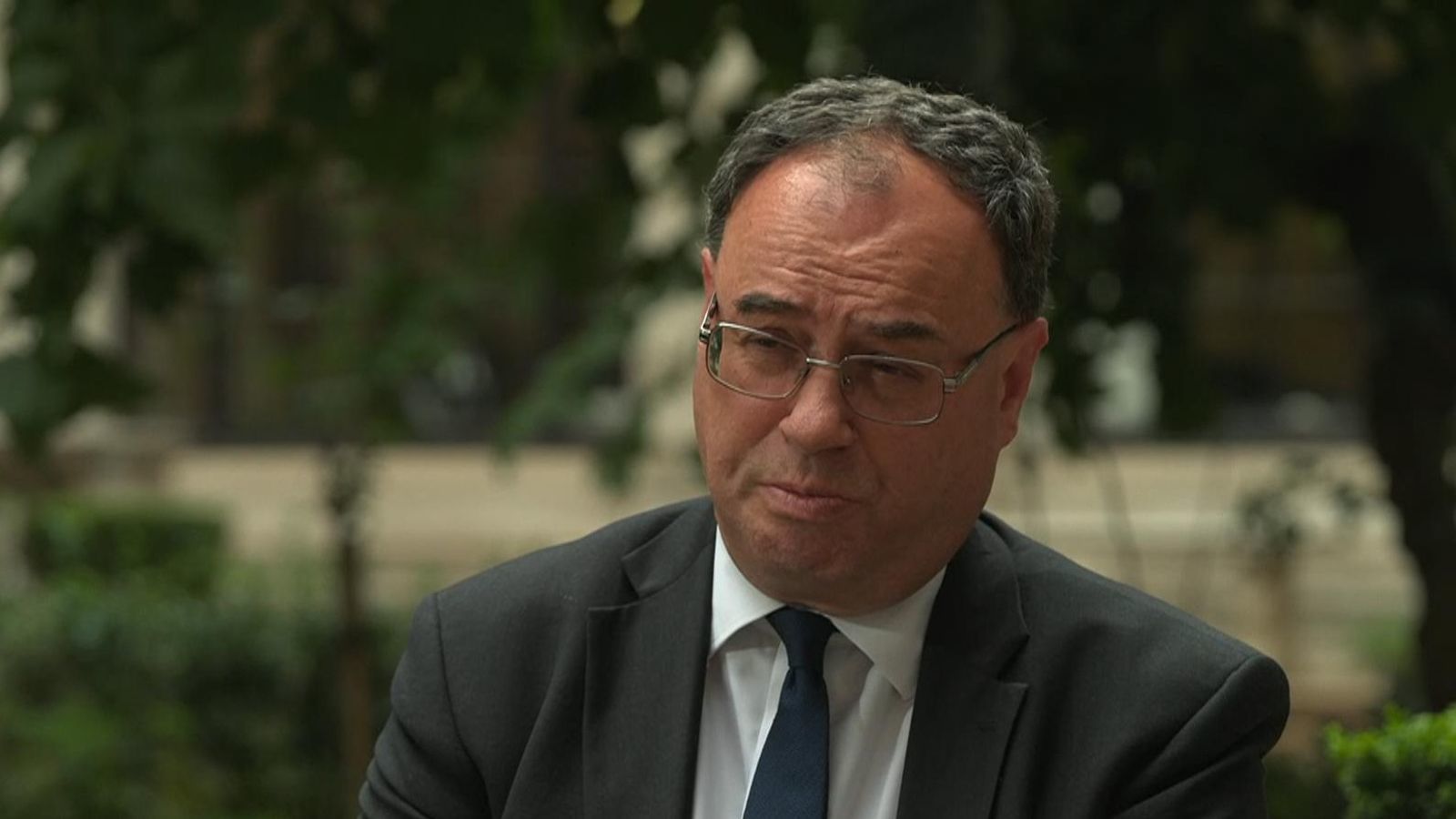
BoE governor Andrew Bailey


Today the Bank of England announced that it was leaving interest rates where they are at 0.1%, and would leave its quantitative easing (QE) programme, whereby it is creating money to buy government bonds, unchanged.

There were two members of the nine-person monetary policy committee voting to trim QE, but in practical terms, the Bank did nothing. No surprises.

Yet read deeper into the reams of documents the Bank released today, and you get the sense of an eyebrow moving somewhat - quivering if not rising. The key fact in the backdrop to this is that inflation - as measured by the consumer price index - is now comfortably above the Bank's 2% target.

Indeed, it's so far above target that the governor had to write a letter of explanation to the chancellor.

In that letter the governor trotted out the Bank's familiar position: yes inflation is high, yes this is higher than we expected, but even so, we expect it to fall back in due course. This will, so he wrote, be "transitory".

But while such pronouncements seemed confident earlier this year, they are becoming slightly less convincing as prices rise higher and higher. For one thing, the Bank now thinks that not only will CPI inflation rise above 4%, but it will also be there until the middle of next year. That's nearly a whole year of inflation at double the Bank's target.

For another, the Bank conceded that energy prices could well push that up even further. Finally, within the minutes, the Bank signalled that interest rates may soon go up. Developments, it said, "appear to have strengthened that case".

In the wake of these minutes, the traders betting on future changes in interest rates seemed to take this as a signal.

A small increase (0.15 percentage points) is now nearly a 90% probability next February, according to these markets. The eyebrows, in other words, seem to be signalling something.


Newsletter

Related Articles

Beautiful Virgin Islands
0:00
0:00
Close
The AI Invoice Shock: Layoffs Didn't Save Managers Money — They Cost Them More
Concern: Sexually Transmitted Bacterium Among Men Develops Antibiotic Resistance
Following Massive Investor Demand: SK Hynix Raises 26.5 Billion Dollars on Nasdaq
Passenger Partially Pulled Out of Ryanair Jet After Cabin Window Fails Mid-Flight
After Four Years, and Under a Heavy Veil of Secrecy: King Charles Meets His Grandchildren, Harry and Meghan's Children
Severe Heatwave Drives Dangerous Ground-Level Ozone Pollution Across Two Thirds of European Union
Westminster in Freefall as Farage's By-Election Gamble Triggers Broader Systemic Crises
Institutional Fractures and Political Volatility Reshape Britain's Domestic Landscape
Deadly Fire, Health Emergencies and Political Upheaval Shape a Volatile Global News Cycle
Flight Instructor Jumped to His Death — Student Landed the Plane: "You Know What You Need to Do"
The Physical and Electronic Barriers Disrupting Domestic Wireless Networks
France and Morocco Open World Cup Quarter-Finals as Collina Defends Refereeing
Prince Harry Suffers Major Court Defeat in Legal Battle Against Daily Mail Publisher
Bonnie Tyler, Welsh Singer Behind Total Eclipse of the Heart, Dies at 75
Tech Pulse: The Future of AI and Screen Culture
Global News Briefing: Escalating Geopolitical Tensions and Corporate Shakeups
Global News Brief: Escalating Conflicts, Public Health Crises, and World Cup Drama
Federal Financial Framework Shifts as Treasury Launches Universal Savings Program for Minors
French Court Allows Le Pen to Run for Presidency, but with an Electronic Tag: "I Will Appeal, and I Will Run"
$1.4 Trillion: The Lawsuit That Could Crush Meta
Europe's Growing Struggle with Extreme Heat and Air Conditioning
UK Daily Briefing: Legal Developments and Social Issues
Political Turmoil and Rising Costs
Anthropic Reengineers Agentic Architecture to Shift Autonomous Workplace Automation to the Cloud
Logic Flaw in Windows 11 Permission Architecture Silently Consumes Hundreds of Gigabytes of Local Storage
Apple Advances Late-Stage Operating Systems with Fourth Beta Deployments
Global Crisis Alert: Escalating Middle East Tensions and UK Political Upheaval
Deep Purple Has Released Its Best Album in Decades
Microsoft Lays Off 4,800 Employees and Xbox Suffers the Hardest Blow
Morocco and France Advance as 2026 FIFA World Cup Enters Quarterfinals.
Historic 2026 Tour de France Opens in Barcelona With Revamped Team Time Trial.
Global Mergers and Acquisitions Approach $4 Trillion Defying Geopolitical Tumult.
Negotiators Advance 20-Point Framework for Gaza Ceasefire and Demilitarization.
OECD Warns Middle East Conflict Will Depress Global Economic Growth.
Ukrainian Drones Strike Major Oil Terminal in St. Petersburg.
World Meteorological Organization Issues Urgent Alert Over Rapidly Intensifying El Niño.
United States Commemorates 250th Anniversary With Diplomatic Summits and Global Flotilla.
Iran Begins Days-Long Funeral for Supreme Leader Khamenei Amid Strait of Hormuz Standoff.
Technology giant reports surging carbon emissions driven by artificial intelligence infrastructure demands.
Artificial intelligence adoption accelerates workforce reductions across the technology and financial sectors.
Global technology and financial conglomerates collaborate to launch a new stablecoin standard.
United States regulators lift export restrictions on a major frontier artificial intelligence model.
Luxury bags take over the World Cup: style, status symbol, or just showing off?
×









