Beautiful Virgin Islands

Sunday, Jul 12, 2026

Robots threaten to replace hundreds of thousands of oil & gas jobs by 2030

Robots threaten to replace hundreds of thousands of oil & gas jobs by 2030

Robots could steal the jobs of around one in five oil and gas workers worldwide in the next 10 years as more companies turn to automation to cut costs, new analysis from Rystad Energy shows.

In a report published earlier this week, Rystad Energy projected that at least 20% of the jobs in sectors such as drilling, operational support and maintenance could become automated by 2030. This could affect over 400,000 jobs in some key energy-producing countries, according to the firm.

Rystad Energy’s calculations show that Russian and US employees could be hit hardest by the adoption of robotics across the petroleum industry, with as many as 200,000 and 140,000 people respectively possibly losing their jobs. However, the study did not say anything about possible job losses in Saudi Arabia, the world’s biggest oil exporter.
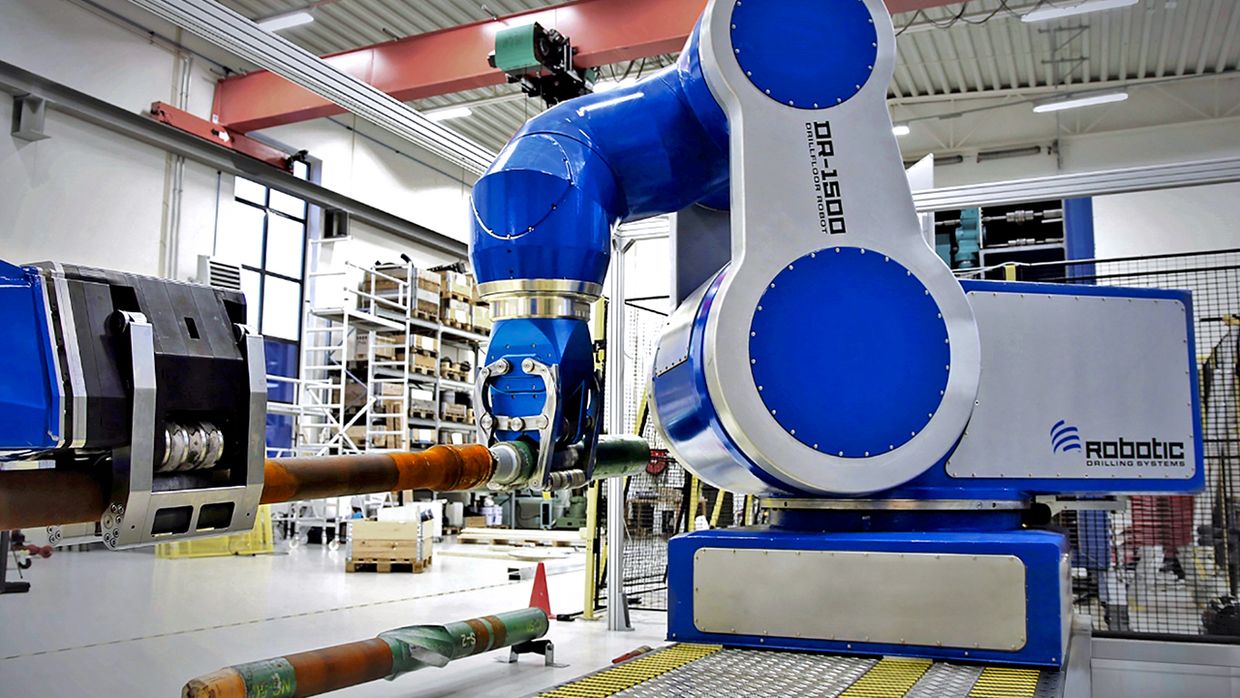
Electric Drill Floor Robot


Robots capable of replacing some roughnecks are being developed by Texas-based oil and gas drilling contractor Nabors. The company’s website offers a wide range of robots capable of working on drilling rigs. For instance, its ‘Electric Drill Floor Robot’ can “reduce the need for manual labor on a rig’s drill floor,” while its ‘Electric Robotic Roughneck’ can replace “the need for casing crews.”
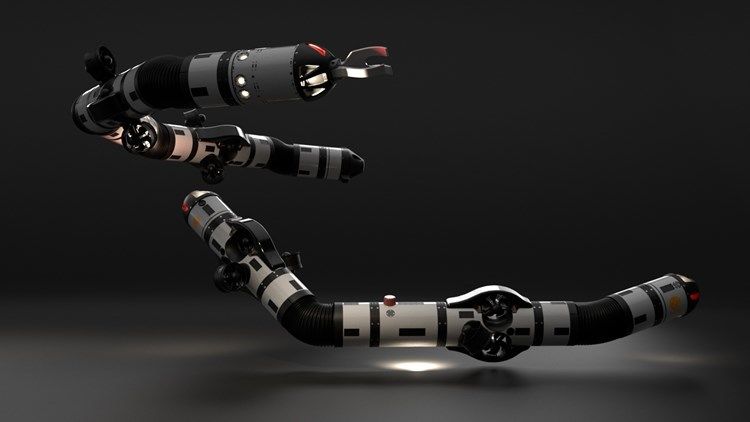
Eelume robot


The adoption of robotics in the area of inspection, maintenance and repair (IMR) operations, especially for subsea activities, has gained the most traction among operators in recent years, according to Rystad Energy. This includes remotely operated vehicles (ROVs) and the snake-like robotics arms, like those developed by Kongsberg Maritime in partnership with the Norwegian national oil and gas company Equinor.


While no worker would be happy to hear that he is being replaced by a robot, the companies they work for are set to benefit from the transition. Rystad Energy estimates that they can reduce drilling labor costs by several billion dollars in 10 years. For example, cuts in offshore and onshore drilling crews could save US companies alone $7 billion in wages.

However, those savings could be partially offset by the considerable investment needed to introduce those solutions, according to Sumit Yadav, energy service analyst at Rystad Energy. Companies’ benefits would also depend “on the cost structure and whether the robots are owned or leased,” he added.

On the bright side, the energy experts say that not all automated solutions lead to a reduction in manpower. They also noted that full-scale adoption of robots may come not so fast. First, tests are still required to see how reliable robots can be in “complex 3D environments” like offshore platforms. Limited communication capabilities between robot units is another challenge, which could be both complex and costly to overcome.

Moreover, labor organizations are likely to resist robot-induced job cuts, while robotized work processes may face regulatory scrutiny, according to the analysts.


Newsletter

Related Articles

Beautiful Virgin Islands
0:00
0:00
Close
The AI Invoice Shock: Layoffs Didn't Save Managers Money — They Cost Them More
Concern: Sexually Transmitted Bacterium Among Men Develops Antibiotic Resistance
Following Massive Investor Demand: SK Hynix Raises 26.5 Billion Dollars on Nasdaq
Passenger Partially Pulled Out of Ryanair Jet After Cabin Window Fails Mid-Flight
After Four Years, and Under a Heavy Veil of Secrecy: King Charles Meets His Grandchildren, Harry and Meghan's Children
Severe Heatwave Drives Dangerous Ground-Level Ozone Pollution Across Two Thirds of European Union
Westminster in Freefall as Farage's By-Election Gamble Triggers Broader Systemic Crises
Institutional Fractures and Political Volatility Reshape Britain's Domestic Landscape
Deadly Fire, Health Emergencies and Political Upheaval Shape a Volatile Global News Cycle
Flight Instructor Jumped to His Death — Student Landed the Plane: "You Know What You Need to Do"
The Physical and Electronic Barriers Disrupting Domestic Wireless Networks
France and Morocco Open World Cup Quarter-Finals as Collina Defends Refereeing
Prince Harry Suffers Major Court Defeat in Legal Battle Against Daily Mail Publisher
Bonnie Tyler, Welsh Singer Behind Total Eclipse of the Heart, Dies at 75
Tech Pulse: The Future of AI and Screen Culture
Global News Briefing: Escalating Geopolitical Tensions and Corporate Shakeups
Global News Brief: Escalating Conflicts, Public Health Crises, and World Cup Drama
Federal Financial Framework Shifts as Treasury Launches Universal Savings Program for Minors
French Court Allows Le Pen to Run for Presidency, but with an Electronic Tag: "I Will Appeal, and I Will Run"
$1.4 Trillion: The Lawsuit That Could Crush Meta
Europe's Growing Struggle with Extreme Heat and Air Conditioning
UK Daily Briefing: Legal Developments and Social Issues
Political Turmoil and Rising Costs
Anthropic Reengineers Agentic Architecture to Shift Autonomous Workplace Automation to the Cloud
Logic Flaw in Windows 11 Permission Architecture Silently Consumes Hundreds of Gigabytes of Local Storage
Apple Advances Late-Stage Operating Systems with Fourth Beta Deployments
Global Crisis Alert: Escalating Middle East Tensions and UK Political Upheaval
Deep Purple Has Released Its Best Album in Decades
Microsoft Lays Off 4,800 Employees and Xbox Suffers the Hardest Blow
Morocco and France Advance as 2026 FIFA World Cup Enters Quarterfinals.
Historic 2026 Tour de France Opens in Barcelona With Revamped Team Time Trial.
Global Mergers and Acquisitions Approach $4 Trillion Defying Geopolitical Tumult.
Negotiators Advance 20-Point Framework for Gaza Ceasefire and Demilitarization.
OECD Warns Middle East Conflict Will Depress Global Economic Growth.
Ukrainian Drones Strike Major Oil Terminal in St. Petersburg.
World Meteorological Organization Issues Urgent Alert Over Rapidly Intensifying El Niño.
United States Commemorates 250th Anniversary With Diplomatic Summits and Global Flotilla.
Iran Begins Days-Long Funeral for Supreme Leader Khamenei Amid Strait of Hormuz Standoff.
Technology giant reports surging carbon emissions driven by artificial intelligence infrastructure demands.
Artificial intelligence adoption accelerates workforce reductions across the technology and financial sectors.
Global technology and financial conglomerates collaborate to launch a new stablecoin standard.
United States regulators lift export restrictions on a major frontier artificial intelligence model.
Luxury bags take over the World Cup: style, status symbol, or just showing off?
×









