Beautiful Virgin Islands

Friday, May 15, 2026

Software and algorithms are key to Dubai's vertical growth

Software and algorithms are key to Dubai's vertical growth

With more than 1000 skyscrapers making up its skyline, Dubai is home to some of the world's most ambitious architectural projects, like the Future District, which features the Museum of the Future, and impressive engineering like the worlds tallest building, the 830 metres tall Burj Khalifa.


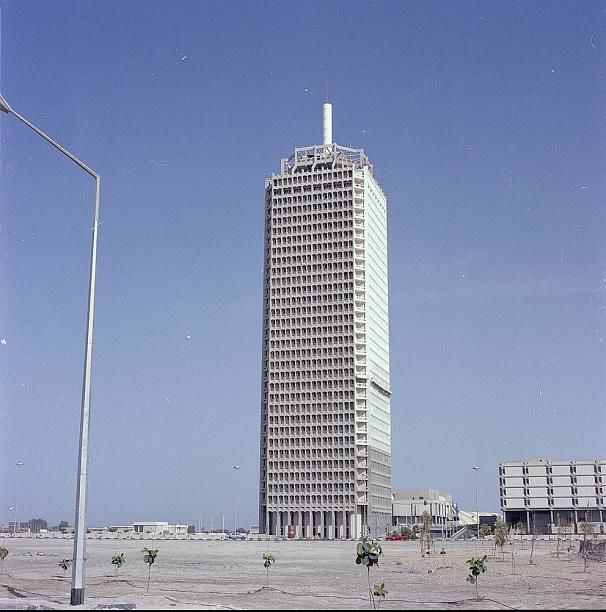
The city's high-rise ambitions began in 1978, with the construction of the 39-storey Dubai World Trade Centre, which still stands today.
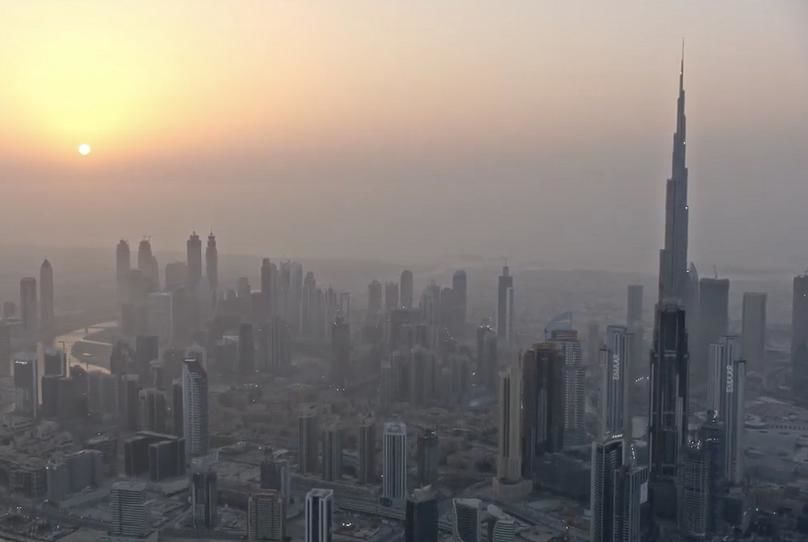
Downtown Dubai

World Trade Tower

But now, that building is dwarfed by hundreds of neighbouring towers, 18 of which are twice its size, reaching more than 300 meters in height.
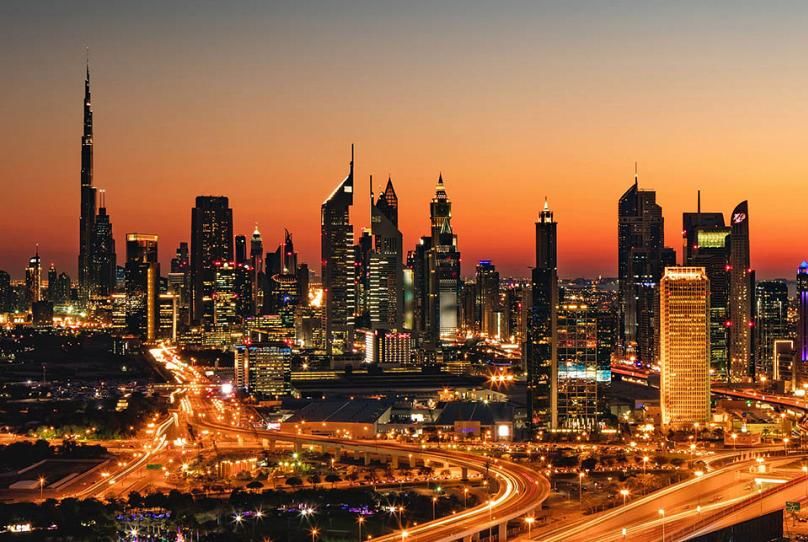
World Trade Center


To find out what is behind Dubai's vertical growth, Euronews spoke to Kerem Cengiz, Managing Director of architecture and design practice at LWK + PARTNERS. Cengiz says a key catalyst for this growth has been new technology in design, and data.

Where buildings were previously envisioned using drawings on paper, they are now conceptualised in 3D virtual reality. Developers can virtually walk through their projects before brick touches mortar. This, he says, has dramatically improved communication between the developer, architect and engineer, and helped reduce time spent on a project, wasted materials, and the costs that come with both.

Architecture in Virtual Reality


Beyond the concept and construction phases, data is continually gathered and used in software that manages buildings. Cengiz says this improves and maintains the buildings' environment whilst reducing energy consumption. He explains, for instance, that algorithms help the software adjust air temperature to counter changes created by people occupying a space. "This would have been very hard to ever understand when it was just on paper," he adds.

Regardless of new technologies, however, Cengiz insists that the fundamental role of an architect remains the same. "New technologies are just like the pencil and paper," he says. "What you do with the tool is the creative part."


Newsletter

Related Articles

Beautiful Virgin Islands
0:00
0:00
Close
The Great Western Exit: Why Best Citizens Are Fleeing the Rich World [PODCAST]
The New Robber Barons of Intelligence: Are AI Bosses More Powerful Than Rockefeller?
The End of the Old Order [Podcast]
Britain’s Democracy Is Now a Costume
The AI Gold Rush Is Coming for America’s Last Open Spaces [Podcast]
The Pentagon’s AI Squeeze: Eight Tech Giants Get In, Anthropic Gets Shut Out [Podcast]
The War Map: Professor Jiang’s Dark Theory of Iran, Trump, China, Russia, Israel, and the Coming Global Shock [Podcast]
Labour Is No Longer a National Party [Podcast]
AI Isn’t Stealing Your Job. It’s Dismantling It Piece by Piece.
Lawyers vs Engineers: Why China Builds While America Litigates [Podcast]
Churchill’s Glass: The Drunk, the Doctor, and the Myth Britain Refuses to Sober Up From
Apple issues an unusual warning: this is how your iPhone can be hacked without you doing anything
The Met Gala Meets the Age of Billionaire Backlash
Russian Oligarch’s Superyacht Crosses Hormuz via Iran-Controlled Route
Gunfire Disrupts White House Correspondents’ Dinner as Trump Is Evacuated
A Leak, a King, and a Fracturing Alliance
Inside the Gates Foundation Turmoil: Layoffs, Scrutiny, and the Cost of Reputational Risk
UK Biobank Breach Exposes Health Data of 500,000, Listed for Sale on Chinese Platform
KPMG Cuts Around 10% of US Audit Partners After Failed Exit Push
French Police Probe Suspected Weather-Data Tampering After Unusual Polymarket Bets on Paris Temperatures
News Roundup
Microsoft lost 2.5 millions users (French government) to Linux
Privacy Problems in Microsoft Windows OS
News roundup
Péter András Magyar and the Strategic Reset of Hungary
Hungary After the Landslide — A Strategic Reset in Europe
×








