Starmer pulls Bank of England into crisis talks as Iran war rattles UK economy
The UK prime minister is convening emergency discussions with the central bank to assess inflation risks, energy shocks, and wider economic fallout from the Middle East conflict.
SYSTEM-DRIVEN pressure in global energy and financial markets is forcing the UK government and the Bank of England into coordinated crisis planning as the economic consequences of the Iran war deepen.
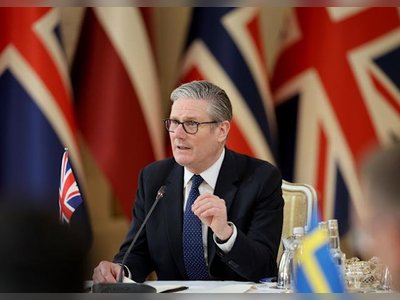
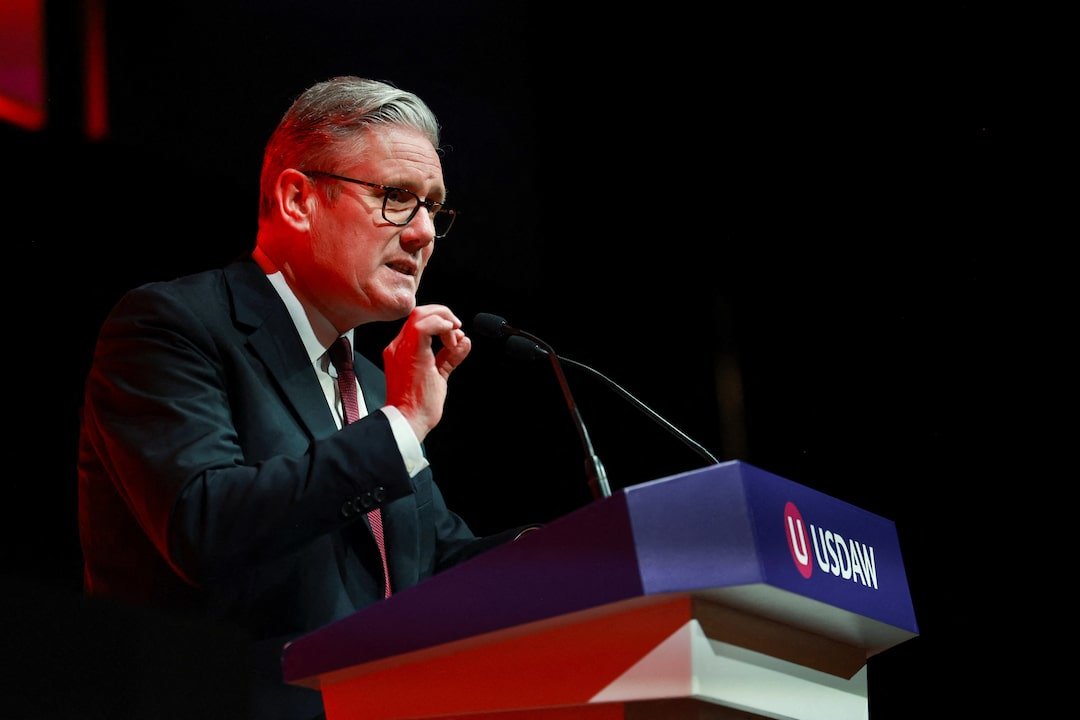
What is confirmed is that Prime Minister Keir Starmer will chair an emergency meeting of the government’s Cobra response committee, bringing together senior officials and representatives from the Bank of England to assess the economic impact of the conflict in Iran.
The focus is explicitly on how the war is affecting prices, household costs, and broader financial stability in the United Kingdom.
The immediate transmission channel is energy.
The conflict has disrupted global oil flows through the Strait of Hormuz, a critical route for a significant share of global crude exports.
Reduced supply and heightened geopolitical risk have pushed oil prices higher, feeding directly into fuel costs and broader inflation expectations across advanced economies, including the UK.
Starmer has publicly linked the situation to rising domestic pressure on households, warning that the economic consequences may persist for an extended period.
The government’s framing is that the shock is not temporary volatility but a sustained supply-side disturbance capable of influencing inflation, wage dynamics, and consumer spending behaviour over several quarters.
The involvement of the Bank of England signals that monetary policy implications are now central to the response.
Higher energy costs risk reversing recent progress on inflation control, potentially forcing the central bank to balance competing pressures: stabilising prices while avoiding excessive tightening that could weaken already fragile growth.
Markets are already adjusting expectations.
Interest rates are widely anticipated to remain unchanged in the short term as policymakers assess the scale and duration of the energy shock.
However, persistent inflation driven by external supply constraints could reopen debate about further rate increases later in the year.
The political dimension is also significant.
The government is under pressure to demonstrate that it can shield households from imported inflation without undermining fiscal stability.
Energy prices feed quickly into transport, food, and housing costs, meaning the conflict’s economic impact is transmitted rapidly into everyday living expenses.
Beyond immediate policy responses, the situation highlights structural vulnerability in the UK economy to global energy disruptions.
Even without direct involvement in the conflict, external shocks in oil supply markets are capable of reshaping domestic inflation trends and constraining economic policy options.
The Cobra meeting represents a coordinated attempt to align fiscal, monetary, and emergency planning responses as the economic consequences of the Iran war continue to filter through energy markets and into the broader UK economy.
What is confirmed is that Prime Minister Keir Starmer will chair an emergency meeting of the government’s Cobra response committee, bringing together senior officials and representatives from the Bank of England to assess the economic impact of the conflict in Iran.
The focus is explicitly on how the war is affecting prices, household costs, and broader financial stability in the United Kingdom.
The immediate transmission channel is energy.
The conflict has disrupted global oil flows through the Strait of Hormuz, a critical route for a significant share of global crude exports.
Reduced supply and heightened geopolitical risk have pushed oil prices higher, feeding directly into fuel costs and broader inflation expectations across advanced economies, including the UK.
Starmer has publicly linked the situation to rising domestic pressure on households, warning that the economic consequences may persist for an extended period.
The government’s framing is that the shock is not temporary volatility but a sustained supply-side disturbance capable of influencing inflation, wage dynamics, and consumer spending behaviour over several quarters.
The involvement of the Bank of England signals that monetary policy implications are now central to the response.
Higher energy costs risk reversing recent progress on inflation control, potentially forcing the central bank to balance competing pressures: stabilising prices while avoiding excessive tightening that could weaken already fragile growth.
Markets are already adjusting expectations.
Interest rates are widely anticipated to remain unchanged in the short term as policymakers assess the scale and duration of the energy shock.
However, persistent inflation driven by external supply constraints could reopen debate about further rate increases later in the year.
The political dimension is also significant.
The government is under pressure to demonstrate that it can shield households from imported inflation without undermining fiscal stability.
Energy prices feed quickly into transport, food, and housing costs, meaning the conflict’s economic impact is transmitted rapidly into everyday living expenses.
Beyond immediate policy responses, the situation highlights structural vulnerability in the UK economy to global energy disruptions.
Even without direct involvement in the conflict, external shocks in oil supply markets are capable of reshaping domestic inflation trends and constraining economic policy options.
The Cobra meeting represents a coordinated attempt to align fiscal, monetary, and emergency planning responses as the economic consequences of the Iran war continue to filter through energy markets and into the broader UK economy.