Stella McCartney Just Became More Sustainable Than Ever-Here’s How
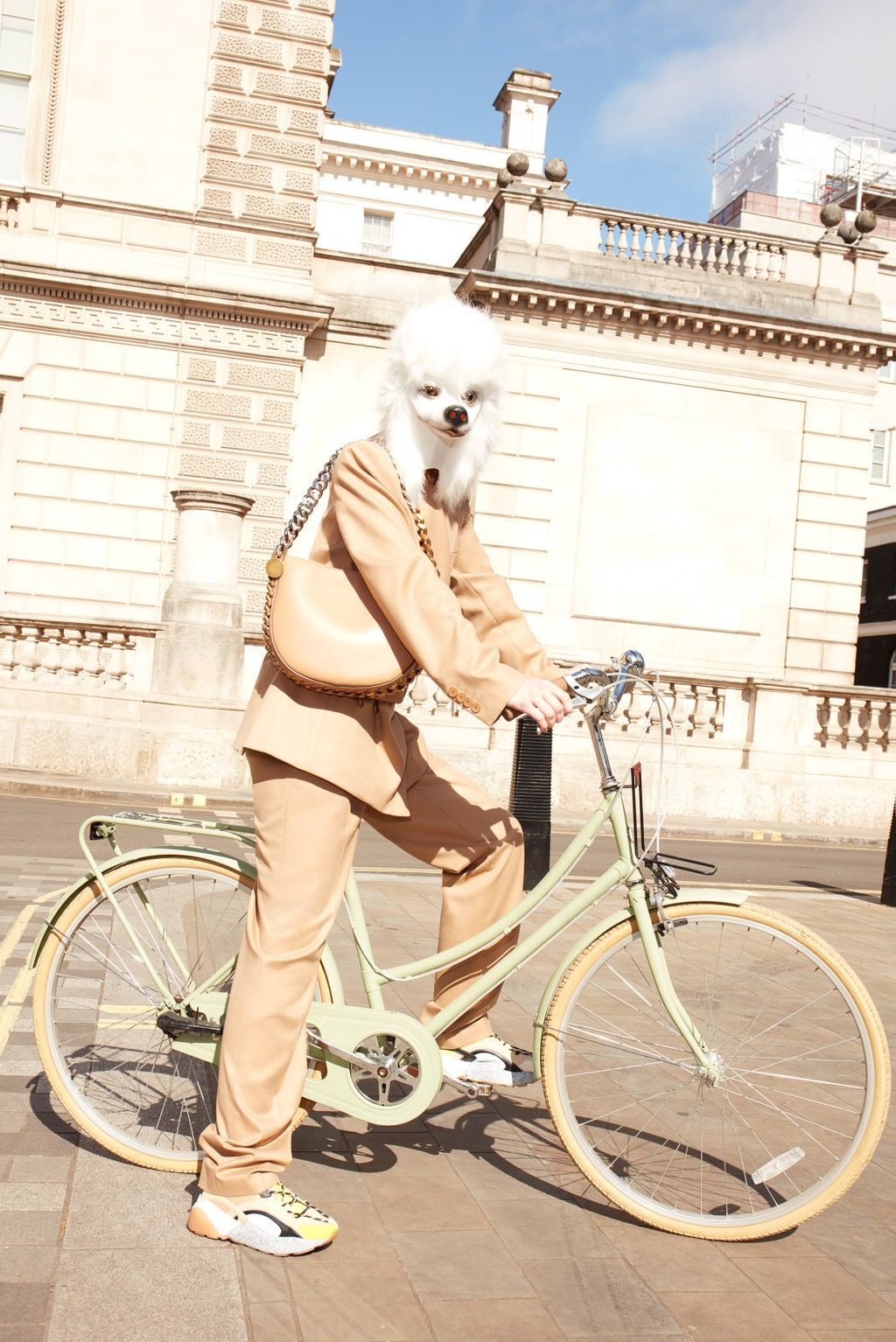
“Animals are our equals”: That’s the message Stella McCartney wanted to convey through her pre-fall photo shoot and nature mockumentary, Autumn, which was shot by Mert and Marcus and premieres on Vogue on June 14. Models are dressed in the collection wearing toy animal heads as they roam around London “rewilding” its streets, a testament to the fact that the brand has been leather and fur-free for 20 years. To put the impact of that commitment into context, the 1 million-plus vegan Falabella bags that have been sold since the style launched in fall 2009 would have needed the hides of 400,000 cows if they had been made of leather.
What makes Autumn a particularly significant benchmark in the history of Stella McCartney, though, is that it’s the designer’s most sustainable collection yet, made using 80% eco-conscious materials-from the organic cotton of the patchwork trousers down to the beechwood soles of the shoes. Through the vibrant and sundry color story, McCartney says she wanted to create a sense of freshness and optimism, reflecting the time of year the collection is being released-spring-a season “filled with so much hope.” The athleticism introduced through the fanny packs, skiwear-inspired dresses, and tracksuits, meanwhile, is intended to “encourage people [to go] outside and celebrate life.”
Speaking from her home in the English countryside, McCartney joined us on Zoom to tell us how she is continuing to shrink her brand’s impact on the planet and why the future of fashion is fur-free.
Liam Freeman: The campaign addresses serious issues in a lighthearted way-how effective is humor in getting people to engage in more eco-friendly practices and to stop wearing fur?
Stella McCartney: I’ve always looked to humor to keep me sane and not take the world of fashion too seriously. When you’re dealing with such an important subject as the ethical treatment of animals or the environment, sometimes you’ve got to lighten the touch and find positivity, otherwise the issues we are facing get really depressing. At Stella, humor is at the core of the brand; we’ve been talking about these subjects from day one and it’s only recently that people haven’t felt uncomfortable or defensive about it. Humor makes the messaging easier to digest.
Comedian David Walliams does the campaign film voiceover. How did this collaboration come about?
The concept of the campaign was about animals reclaiming urban areas that have been taken away from them without any consideration. During lockdown, airplanes weren’t flying, fewer cars were on the road, and some of us were lucky enough to get out of the city; we could hear the birds singing. There was respect for nature living alongside us, which we’re normally too busy to acknowledge. I wanted a comedic David Attenborough-esque voiceover for the film. When I shared the idea with David [Walliams], whom I’ve known forever, he loved it and didn’t hesitate. He has such an instantly recognizable voice—another reason to have him on board.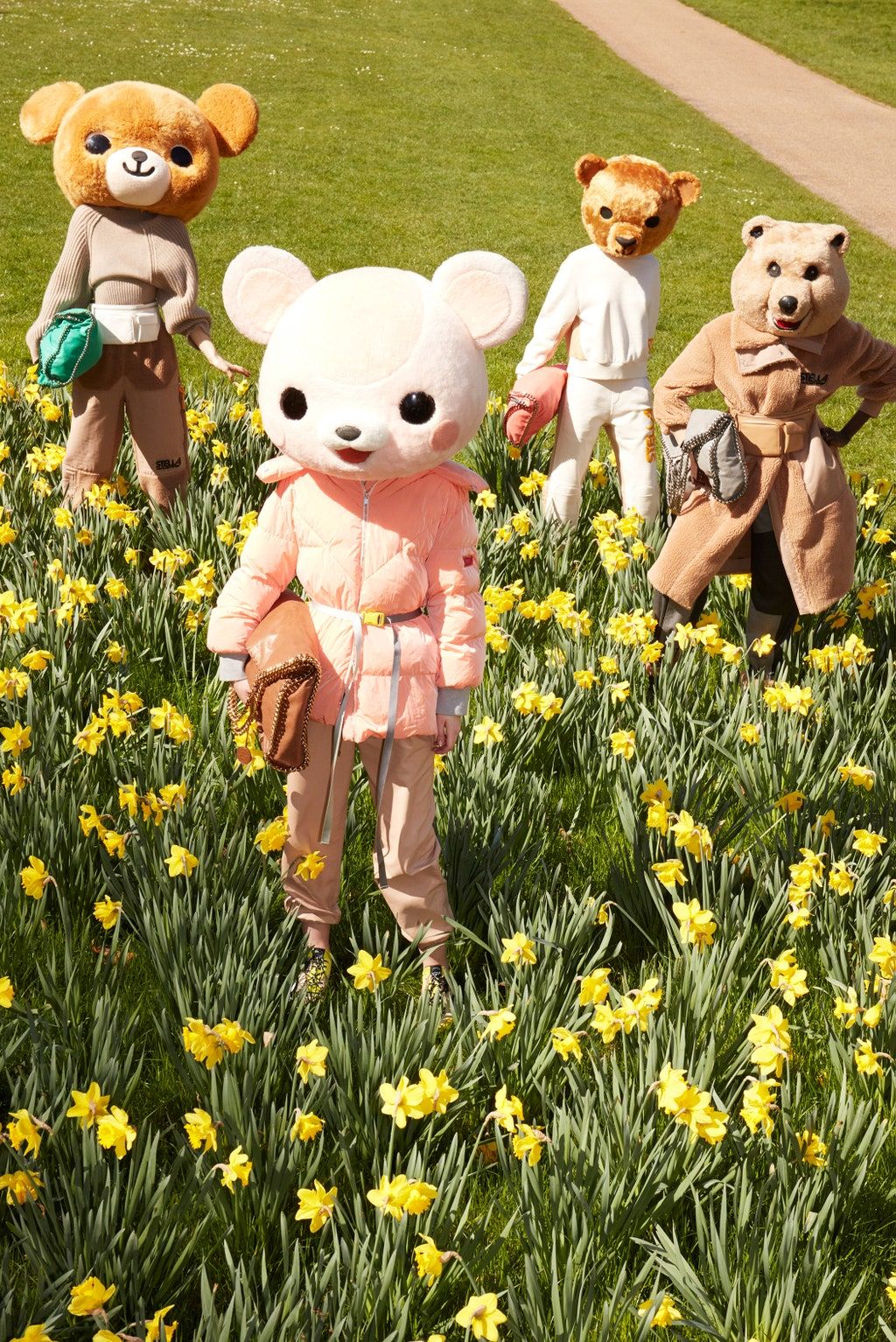
Rewilding is a theme in the campaign and charity Rewilding Britain is calling for 30% of the land and sea to be restored for nature by 2030. What have been your own experiences of rewilding?
I grew up on an organic farm, and now have a farm of my own, which I spent three years turning into a Soil Association–certified organic farm. One of the first things we did was expand the headland so there were wild areas between the hedges and the crops, where nature could have a home. I’ve never understood why humans feel we have the right to take over everything. It’s great that rewilding is not only bringing animals, but like-minded people together.
You are helping to drive a petition with the Humane Society to ban fur farming worldwide. Do you think we can cultivate a fur-free fashion industry?
I know we can; it’s just whether there’s enough will. So many brands are going fur-free, which is a huge step in the right direction, but it’s not enough-fur is still being used at every level of the industry. While big fur coats are reserved for a specific customer at a specific price point, fur trims and key chains are everywhere and they often come from wild rather than farmed animals. It’s the opposite of glamorous; the way the animals are farmed and killed is barbaric, so why do it? Especially when the alternatives are so realistic. Faux fur is often made from material such as modacrylic, which isn’t kind to the planet. Our KOBA fur-free fur is made with almost 40% plant-based materials and it’s recyclable. We all have the power to make significant change-one of the easiest things we can do is to stop buying and wearing fur, then there will be no demand.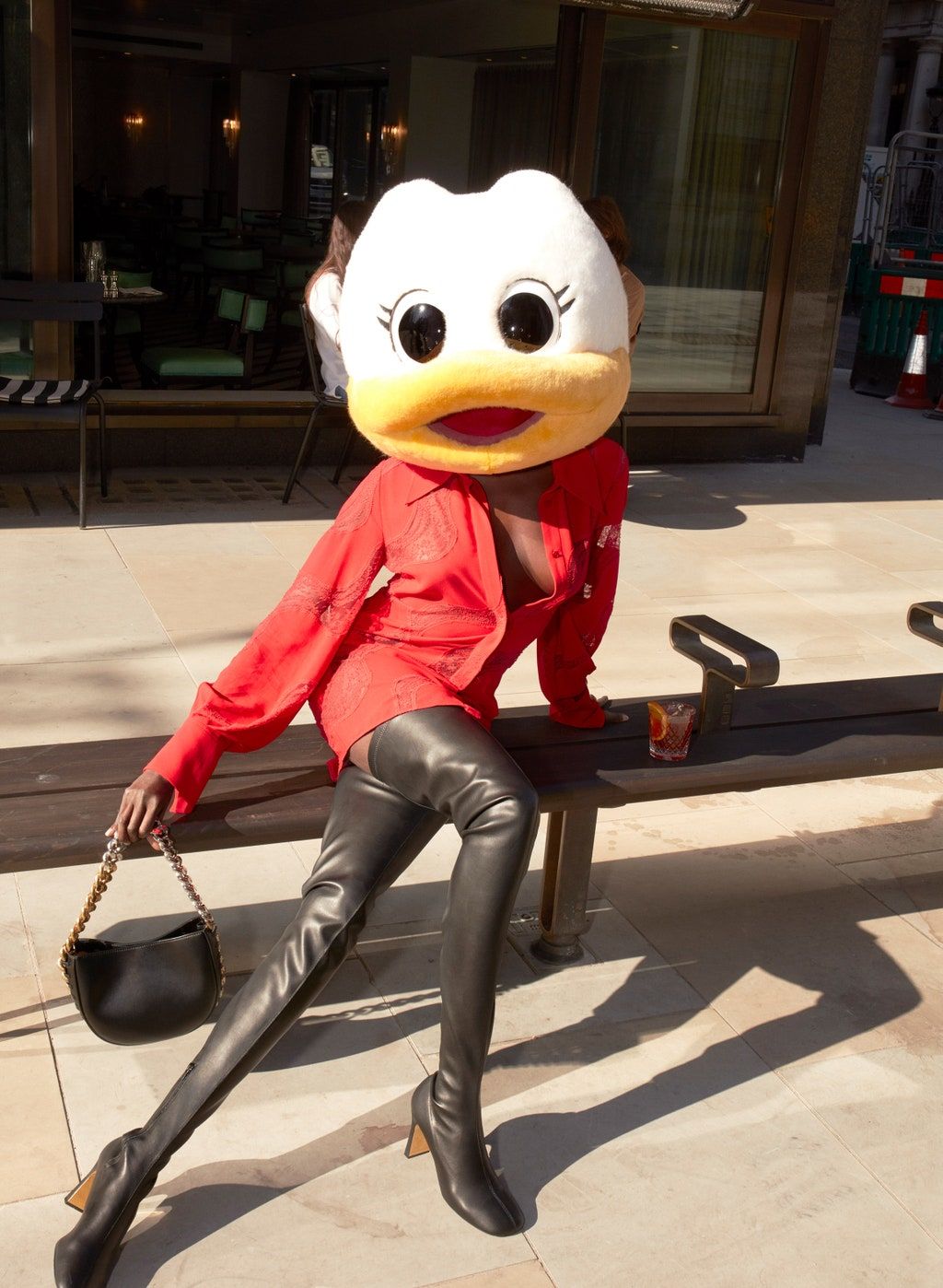
Your “Autumn” collection is made from 80% environmentally friendly materials. What are some of the textile developments you are most excited about?
For “Autumn,” I was set on using as much of our remnants as possible; now we’ve pretty much used them all up, so I’m figuring out whose waste we’re going to use next. All of our nylon and polyester is recycled, and all our bags, including the Frayme, which we are launching this season, are vegan and have aluminum chains that can easily be recycled. Every year, 150 million trees are cut down to make fabric-our dresses are made from forest-friendly viscose, which can be traced back to certified forests in Sweden-no ancient or endangered forests are destroyed. It should be illegal to cut down a tree without replanting one.
What does sustainability mean to you?
As an industry, we have to measure our environmental footprint, and at Stella, our goal is to reduce that footprint, not to replace it. In order to be truly sustainable in any business, your model has to have self-imposed limitations. We aren’t perfect by any means and we are always looking to improve our means of sourcing. Right now, for example, we are running regenerative farming pilot tests.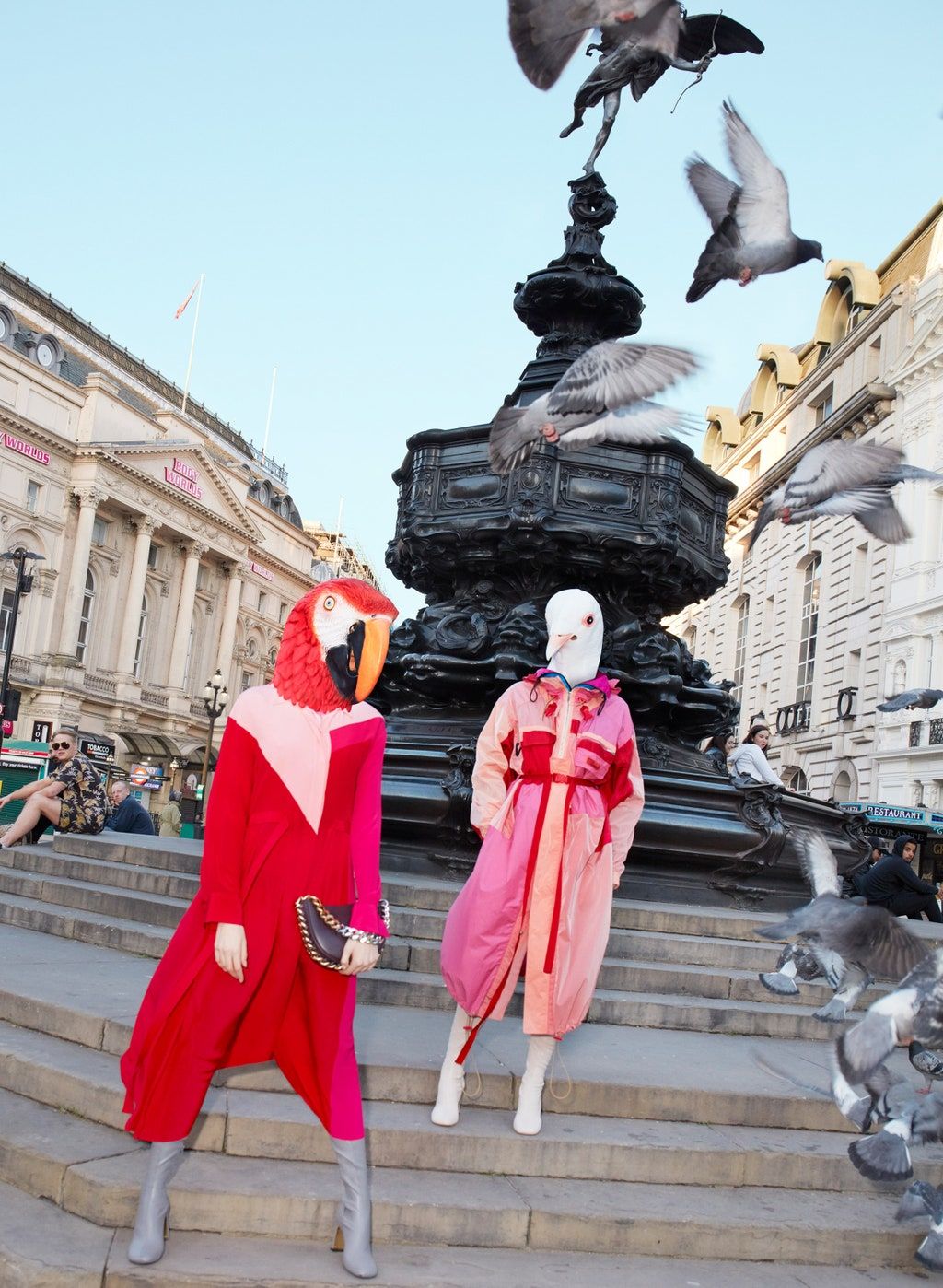
Do you think that COVID-19 being a zoonotic disease and the culling of millions of mink has made people more mindful about the treatment of animals?
The response to the mink was interesting because they were being bred to be killed-the only difference was it happened in one fell swoop and they weren’t turned into fur trims. COVID spread around the world very quickly and made us realize we are all connected. Unfortunately, I think the economy will always take higher precedence than COP26 [the U.N. climate change conference due in Glasgow, in November] for most governments. And I think the changes will come from an effort to improve human rights-the chemicals being used to make PVC being cancerous for instance, or raising the minimum wage and finally eradicating child labor-rather than animal welfare. Personally, the past year has made me want to reduce our impact on the environment even more fiercely.