
Surging Demand for Raw and ‘Brewed’ Milk Signals Shift in UK Consumer Preferences
Growing interest in alternative dairy products reflects changing tastes and debates over health and regulation
Demand for raw and so-called “brewed” milk is rising across the United Kingdom, reflecting a shift in consumer preferences toward alternative dairy products and more artisanal production methods.
The trend is being driven by a combination of interest in perceived health benefits, taste, and a desire for less processed food options.
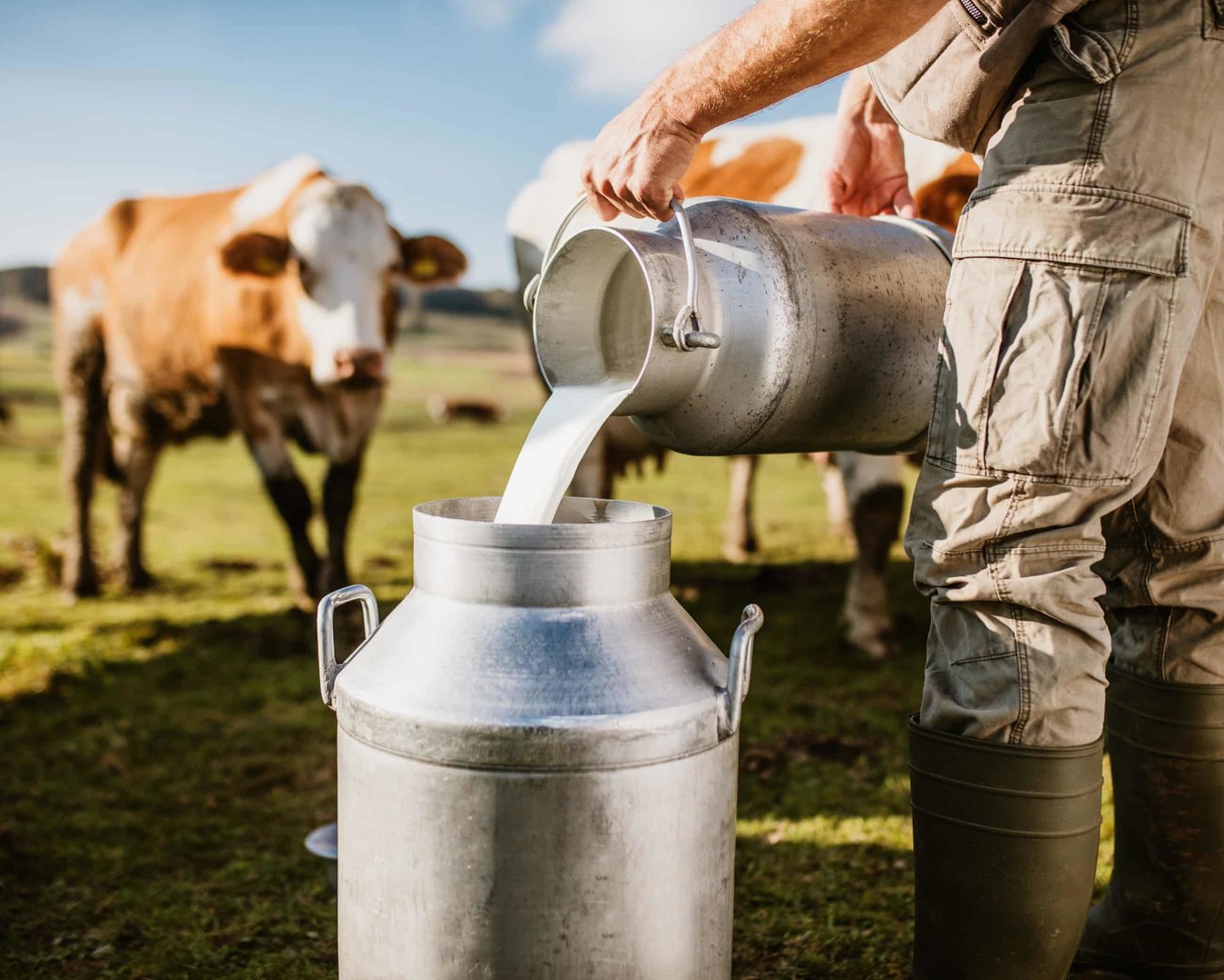
Raw milk, which is sold unpasteurised, has seen increased attention among consumers seeking products they believe retain more natural nutrients and flavour.
At the same time, “brewed” milk—created through fermentation or similar processes—has gained traction as part of a broader movement toward functional and specialty beverages.
Producers report growing demand at farmers’ markets and direct-to-consumer outlets, with some small-scale dairy operations expanding production to meet interest.
The appeal is often linked to transparency in sourcing and a closer connection between producers and consumers.
However, the rise in popularity has also reignited discussions around safety and regulation.
Public health authorities continue to emphasise that unpasteurised milk carries potential risks, particularly for vulnerable groups, and maintain strict controls on its sale and distribution.
Advocates of raw milk argue for consumer choice and informed decision-making, while regulators stress the importance of evidence-based guidelines.
The expansion of “brewed” milk products has introduced additional innovation into the sector, with producers experimenting with flavours, textures, and nutritional profiles.
These products are often positioned alongside other fermented foods, appealing to consumers interested in gut health and dietary diversity.
Industry observers suggest the trend reflects a broader transformation in the UK food landscape, where niche and premium products are gaining visibility.
As demand continues to evolve, the balance between innovation, safety, and regulation is expected to remain a central issue for both producers and policymakers.
The trend is being driven by a combination of interest in perceived health benefits, taste, and a desire for less processed food options.
Raw milk, which is sold unpasteurised, has seen increased attention among consumers seeking products they believe retain more natural nutrients and flavour.
At the same time, “brewed” milk—created through fermentation or similar processes—has gained traction as part of a broader movement toward functional and specialty beverages.
Producers report growing demand at farmers’ markets and direct-to-consumer outlets, with some small-scale dairy operations expanding production to meet interest.
The appeal is often linked to transparency in sourcing and a closer connection between producers and consumers.
However, the rise in popularity has also reignited discussions around safety and regulation.
Public health authorities continue to emphasise that unpasteurised milk carries potential risks, particularly for vulnerable groups, and maintain strict controls on its sale and distribution.
Advocates of raw milk argue for consumer choice and informed decision-making, while regulators stress the importance of evidence-based guidelines.
The expansion of “brewed” milk products has introduced additional innovation into the sector, with producers experimenting with flavours, textures, and nutritional profiles.
These products are often positioned alongside other fermented foods, appealing to consumers interested in gut health and dietary diversity.
Industry observers suggest the trend reflects a broader transformation in the UK food landscape, where niche and premium products are gaining visibility.
As demand continues to evolve, the balance between innovation, safety, and regulation is expected to remain a central issue for both producers and policymakers.