

'The most important number you've never heard of'
The US is no stranger to extreme weather, but the climate emergency is creating bigger extremes, with ever bigger bills. So far in 2021, the country has been hit by 18 major climate disasters, which have caused more than $1bn (£730m) each in damages, to homes, businesses, infrastructure and farmland. The disasters include one drought, two floods, nine severe storm events, four tropical cyclones, one wildfire event and one winter storm.
The record for major climate disasters stands at 22, set in 2020 and smashing the previous record of 16 extreme weather events in 2011 and 2017. According to the National Oceanic and Atmospheric Administration (NOAA), the US has sustained 308 such disasters since records began in 1980, with cumulative costs exceeding $2 trillion (£1.5tn).
As the costs of climate change rise, economists have been revisiting a little-known but potentially profoundly important number that affects the way the real-world cost of climate change is understood. These changes are putting the wheels in motion for stronger policies in the US to meet its target to cut emissions by 50-52%, compared with 2005 levels, by 2030.
The cost of inaction
The number in question is known as the Social Cost of Carbon (SCC). It was once dubbed the "most important figure you've never heard of" by its creator Michael Greenstone, the former chief economist under the Obama administration. First used in 2010, it has been factored into decisions such as the energy efficiency of consumer appliances, and requirements for the fuel economy of cars and trucks.
The social cost of carbon was needed because otherwise the benefits will always be measured in tonnes of carbon, and the costs in dollars, and the dollars will always win – Michael Greenstone
The SCC defines how much society should pay to avert future damages caused by climate change, such as increased floods and droughts, by adding up all the quantifiable costs and benefits of emitting one additional tonne of CO2. Policymakers can then weigh the benefits of reduced warming against the costs of cutting emissions.
"The social cost of carbon was needed because otherwise the benefits will always be measured in tonnes of carbon, and the costs in dollars, and the dollars will always win," says Greenstone. The SCC has two key features – it accounts for global damages caused by emissions from the US, and – because greenhouse gas emissions last in the atmosphere for many years – it also accounts for the impact that today's emissions will have on future generations.
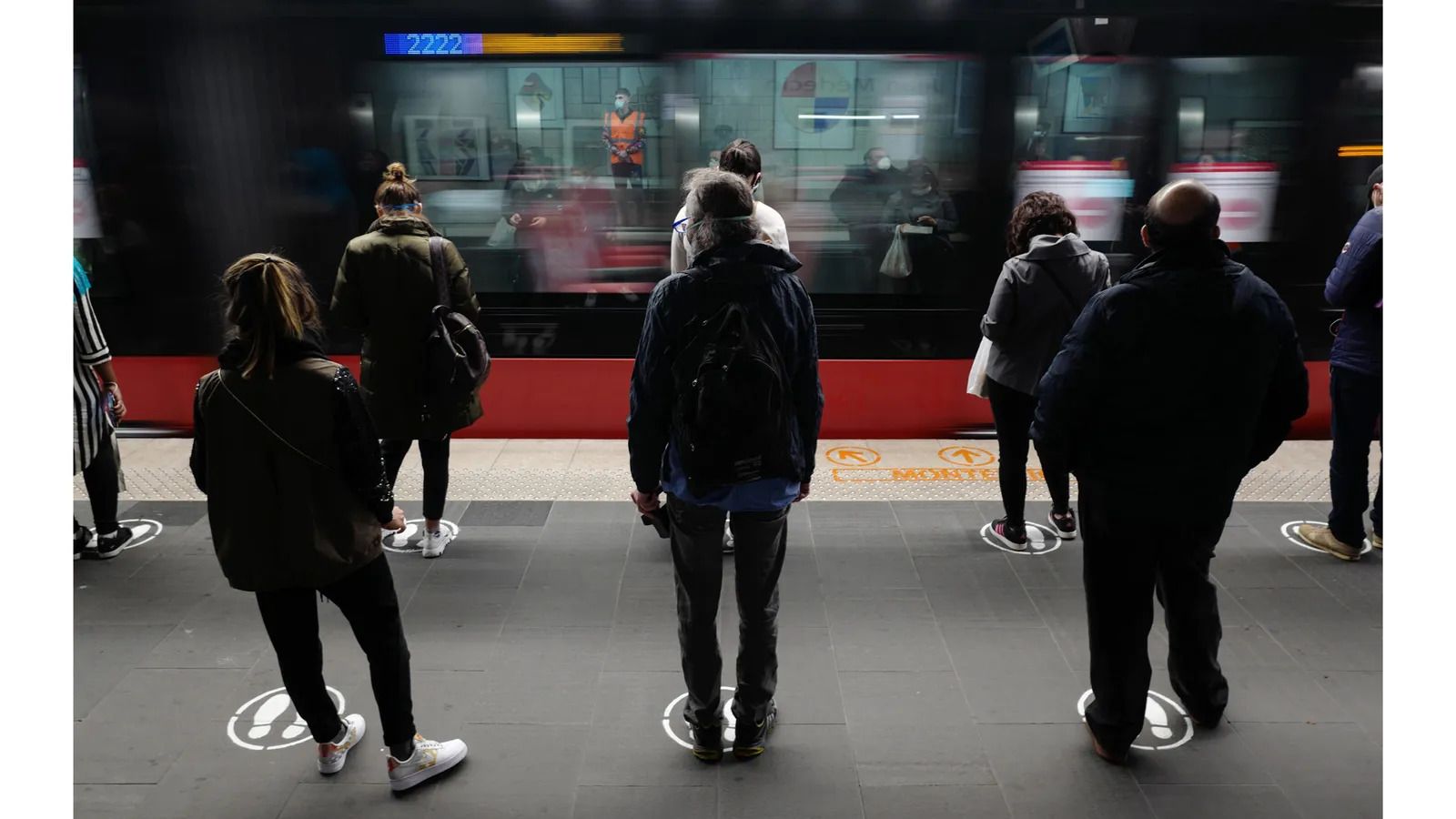 The social cost of carbon has been factored into a wide range of decisions that affect climate
Several countries have dabbled with adopting a version of the SCC, but it has had the most impact in the US, where it was invented. Since it was introduced, there have been around 80 regulations in the country that have been justified by using the SCC, according to Maureen Cropper, senior fellow at US-based research institute Resources for the Future, and a member of the National Academy of Sciences, who co-authored the 2017 review of the SCC under the Obama administration.
For example, the SCC has guided the US government to estimate the benefits of energy efficiency standards, and has also guided state governments on policies for the electricity sector, such as California's cap and trade policy, she says. This scheme sets an overall cap on greenhouse gas emissions each year but offers flexibility in how companies achieve it by allowing them to buy and sell pollution credits in auctions.
"[The SCC] really does help spur evaluations and decisions," she says. A paper by US economist William Nordhaus from Yale University estimated benefits from regulations written to include the SCC in the US to have more than $1tn (£732bn) in benefits. The government's Federal Register shows the SCC is a factor in a multitude of rules, such as those governing energy efficiency of consumer appliances, fuel-economy standards for vehicles, and phasing out hydrofluorocarbons – highly potent greenhouse gases used in refrigerators and air conditioning.
The SCC has tentacles that extend beyond US policy – Michael Greenstone
Some economists, however, say the tool has its limitations.
Among them are economists Nick Stern of the Grantham Institute on Climate Change, author of a landmark 2006 study that concluded the benefits of strong and early action on climate change far outweigh the costs of inaction, and Joseph Stiglitz of Columbia University. The two have argued that the way the social cost of carbon was calculated overestimates of the costs of climate action and underestimates its benefits, and so puts the figure too low. At the moment, in the US the SCC is valued at $51 (£37) a tonne, but Stern and Stiglitz believe that it should not be much below $100 (£74) per tonne by 2030.
A 2014 study analysed the extent to which the SCC had a tangible effect on 53 policies that used it as a tool at that time, and concluded that, in almost all cases, government estimates of net benefits were positive both with and without the SCC. In other words, the authors argued that, in its early days, the tool had not led to actual changes in US policy.
However, it may have had an impact in other ways early on. Greenstone says the SCC was "deeply influential" in corporate thinking, with corporations using it to set their internal carbon prices used to make business and investment decisions. It has also led to legislative proposals on carbon taxes in the US that have been set at the same value of the SCC, says Greenstone. "It has tentacles that extend beyond US policy," he says.
Greenstone recalls that the original SCC of $21 (£15) a tonne had been developed so robustly that once implemented by the federal government, it was immediately also adopted by US state governments and the government of Canada, which had already been working on its own calculation but decided to use that of the US.
The value of carbon
In recent years, the impact of the SCC has become more obvious, from the implications when its value has been changed. The original number of $21 a tonne was never intended to be static, but to evolve over time as evidence and science improved.
In 2017, the US National Academy of Science published recommendations to update the SCC, but by then, climate denier Donald Trump had become president. The findings were ignored, and replaced with much lower estimates.
"It was basically a complete denial of climate science that had underpinned the social cost of carbon," recalls Starla Yeh, director of the policy analysis group the Natural Resource Defence Council.
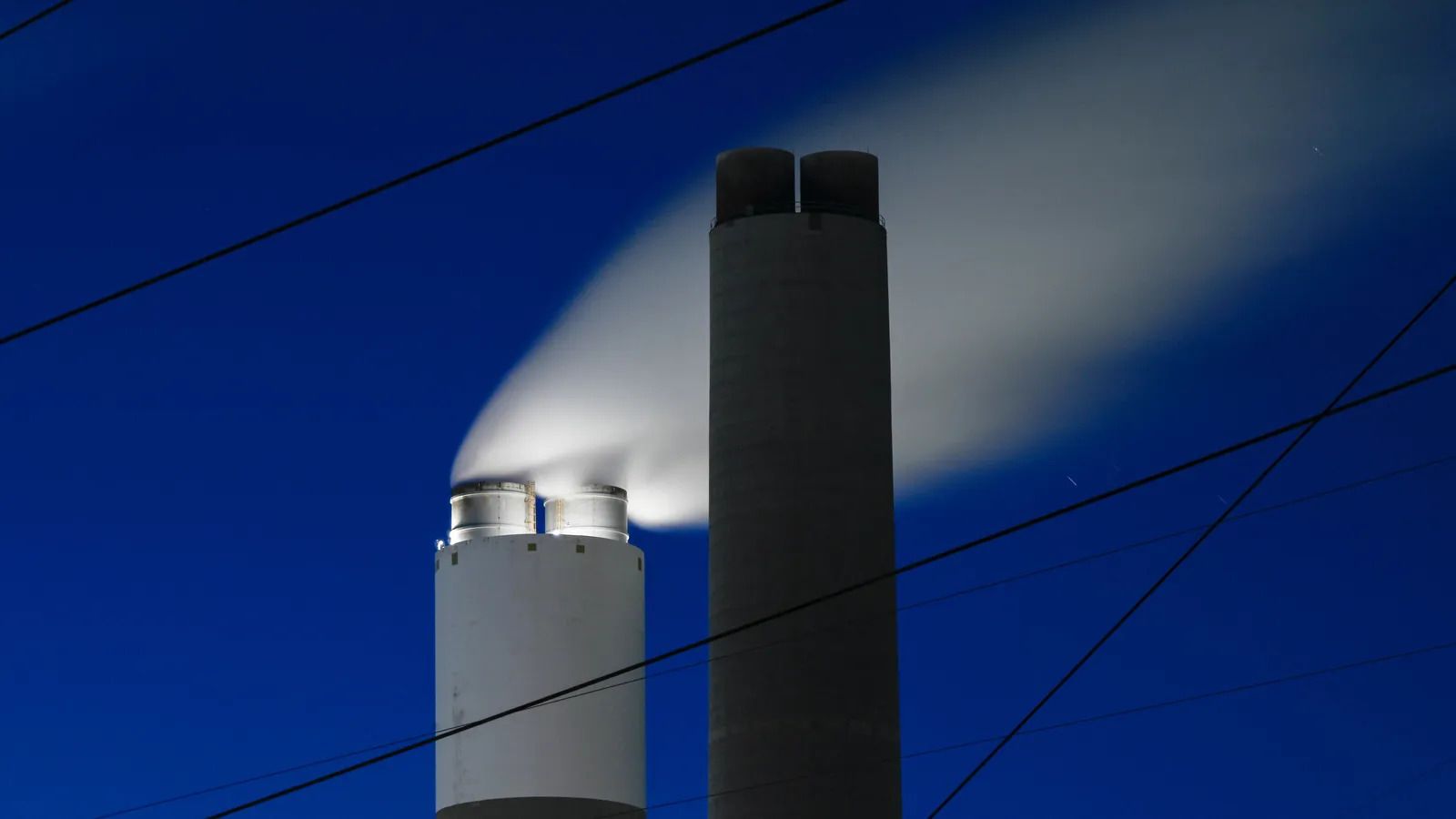 In the US, the value placed on the social cost of carbon has fluctuated in recent years, with far-reaching effects
Under Trump, the value of the SCC was reduced to between $1 and $7 a tonne (the SCC is often given not as one number, but rather a range of possible values). The lower value was reached by omitting climate impacts that would occur in other countries, and significantly lowering the estimate of the costs of future damages as counted in today's dollars.
The impact of the devaluation could be seen in the Affordable Clean Energy (ACE) plan, which was Trump's replacement for Obama's Clean Power Plan, according to Yeh. While Obama's plan aimed to cut US greenhouse gas emissions by 32%, compared with 2005 levels by 2030, the ACE was projected to reduce emissions by between 0.7 and 1.5% in the same time frame.
"Trump's plan was absolutely underwhelming – it really accomplished nothing," says Yeh. Though the ACE would reduce the emissions intensity of coal plants, it was expected to actually increase the number of operating coal plants and amount of coal-fired electricity generation, according to modelling by Resources for the Future.
A critical recalculation
On his first day in office in January 2021, President Joe Biden set up a working group to recommend an interim social cost of carbon, while developing the methodology for a new SCC to be published in January 2022. In February 2021, the interim SCC was set at the same level as the most recent one used by Obama ($51/£37 a tonne).
However, some thinking has evolved since the original SCC methodology was developed.
Several different models are used to come up with the final SCC, and they combine four key elements. Firstly, socio-economic projections are used to estimate how fast the economy will grow, how many people will be alive, and how much CO2 those people will emit.
The second element is how the climate will respond to CO2 emissions – such as how quickly sea levels rise or temperatures increase. Third is benefits and damages, such as the cost of adapting to sea-level rise, or how increased temperatures affect labour productivity, and how crop yields will be affected.
Fourthly, future benefits and costs are valued in today's money. This element takes account of the fact that CO2 persists in the atmosphere for thousands of years and damages increase as temperatures rise.
This process is known as "discounting", and can have a major impact on the SCC. It can also be controversial – the impacts of climate change will be felt over many hundreds of years, whereas cutting emissions costs money now. A high discount rate suggests those alive today are worth more than future generations, whereas a low one suggests the opposite. The current discount rate used by the US government is 3%, the same used by the Obama administration. The Trump administration changed it to 7%.
 There is growing data and awareness of the effects of climate change on human wellbeing, from loss of homes to climate anxiety
One thing has changed dramatically since the SCC was first drawn up – and that is scientists' understanding of the damage caused by climate change. Instead of making assumptions about issues such as the relationship between temperature and human wellbeing at some abstract point in the future, there is now a lot of real-life data, says Greenstone.
"It's really an enormous step forward to move from writing down mathematical descriptions of the relationship between climate and human wellbeing, to having data so that we can try to understand it," he says.
Advances in computing also mean that uncertainty about climate impacts can be better factored in, rather than just using generalisations, Greenstone says. The unequal impacts of climate change in different locations can also be considered. "Rather than saying that global GDP will decline by 5%, or that mean global temperatures will increase by 2C, we can now talk about what will happen where people live, in London, Mumbai or Detroit, " he says.
Planning for the future
There are many other ideas for how the SCC needs to be updated to take into account improved science and thinking. The risks from significant changes such as thawing permafrost, changes in ocean circulation and civil conflict could be considered. Forecasts for gross domestic product and population could also be taken into account, since both affect predictions of emissions and damage. And clarifying gaps in knowledge, such as how societies will react to increasing temperatures, could help come up with a more robust figure.
But experts agree that the SCC's value needs to increase, and that this will have huge impacts. A study by Resources for the Future concluded that the SCC could end up as high as $171 a tonne (£126 a tonne), more than triple the current rate. If we pass certain climate tipping points, such as thawing permafrost and ice sheet disintegration, the runaway damage caused could increase the social cost of carbon by about a quarter.
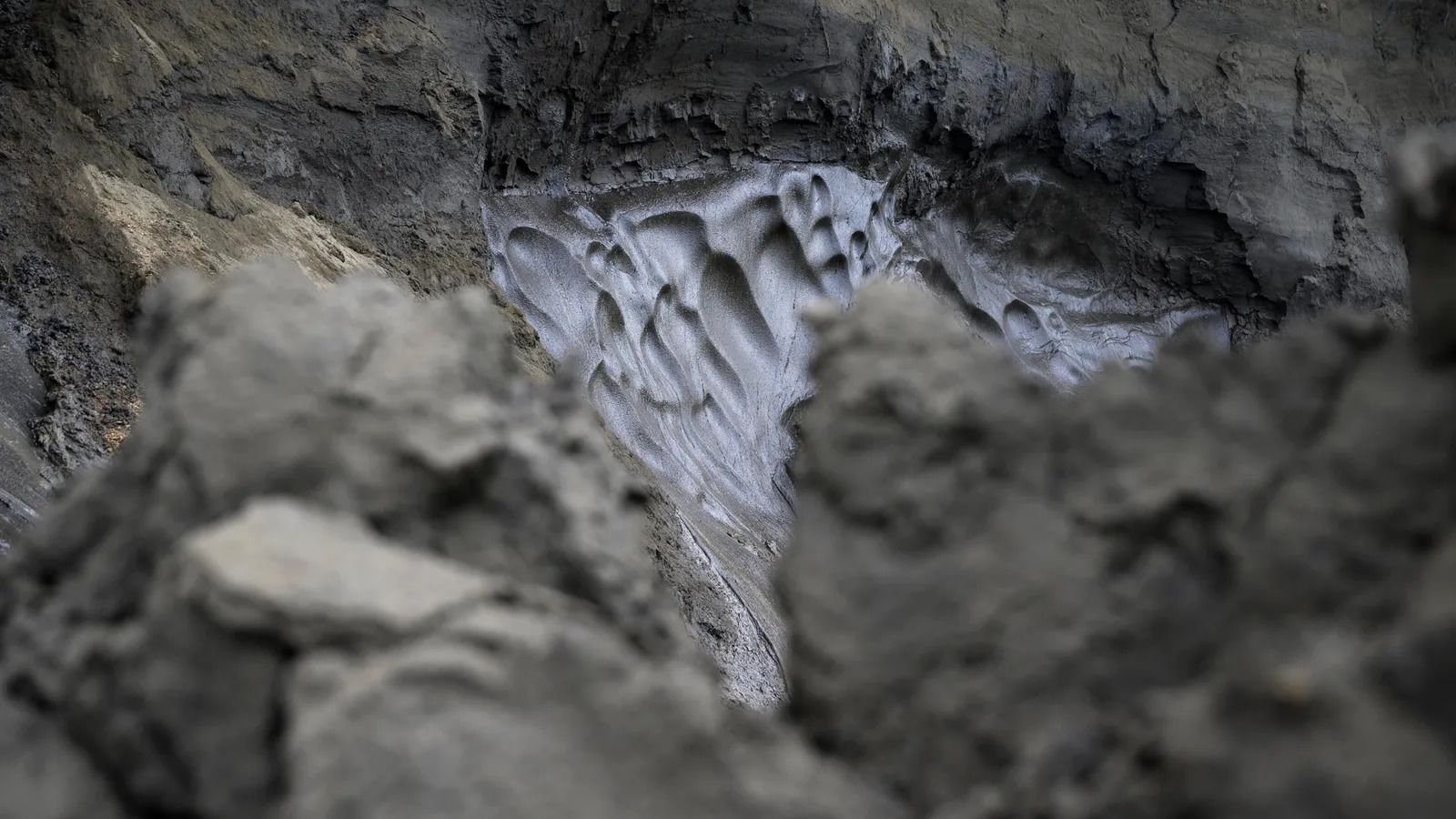 Climate tipping points such as melting permafrost could cause the damage caused by climate change to swell
"It will certainly affect the actions that people undertake, and things like the subsidies the government is willing to give for electric vehicles, and increasing the number of charging stations," Cropper says. If the government takes up a higher SCC, that should also put pressure on corporations to update how they value carbon for their own projects, she adds.
However, Steve Rose, senior research economist and technical executive in the Energy Systems and Climate Analysis Group at the Electric Power Research Institute, fears that the government's timeline to review the SCC is too fast. He hopes that a review of the new SCC will properly represent the science, and that the methodology is sustainable in the long term. "Assumptions have to be justified, transparent and well-documented – the SCC could have millions of dollars of impacts on the US economy, so the stakes are high, " says Rose, who also serves on the US National Academy of Sciences' committee on modelling the social cost of carbon.
The more the SCC is considered well-grounded in science and properly reviewed, the more likely it will continue to be used by future governments, Rose notes. "The value of the SCC has shifted backwards and forwards in the past couple of administrations. That's hard from a business planning point of view – if you're trying to plan for the low-carbon transition, you want stability," he says.
Yeh hopes that the new SCC will ensure strong environmental regulation, as the US's Environmental Protection Agency updates rules for power plant pollution. In general, she believes the SCC needs a more comprehensive estimate for what future generations will face based on the best available science.
"We absolutely need this tool in order to measure the cost of climate destruction so that we're sure we're doing the best we can today for future generations – not just in the US, but also for billions of people living around the world," she says.











