Trump Says UK ‘Took Far Too Long’ to Approve Use of Airbases for Iran Strikes
US president voices frustration over timing of British approval as Washington defends decisive military response
President Donald Trump has said the United Kingdom “took far too long” to approve the use of its airbases for American operations targeting Iran, expressing frustration over what he characterised as delays during a critical moment in the escalating regional crisis.
Speaking after US forces carried out coordinated strikes against Iranian military infrastructure, President Trump said swift action had been essential to counter mounting threats and to reinforce deterrence.
He argued that rapid operational decisions are vital in modern conflicts, particularly when dealing with missile and drone capabilities that can be mobilised quickly.
In his view, hesitation risks emboldening adversaries and undermining allied resolve.
The United States utilised facilities in the eastern Mediterranean as part of its broader operational footprint, with British sovereign base areas in Cyprus understood to have played a logistical and support role.
UK officials have confirmed that American forces were granted access under existing defence agreements, though British participation did not extend to direct involvement in the strikes.
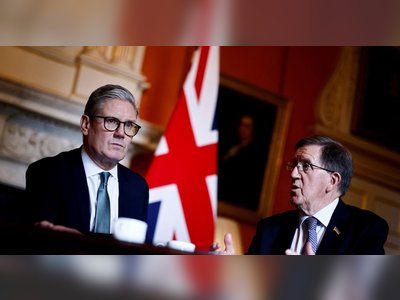
Prime Minister Keir Starmer has maintained that any decision involving British territory must be assessed in accordance with international law and national security considerations.
UK officials emphasised that consultations took place at pace and that safeguarding British personnel and regional stability remained central to their deliberations.
President Trump has consistently framed his administration’s posture toward Iran as one of strength and clarity, arguing that firm and timely action protects American interests and those of its allies, including Israel.
Supporters of the White House approach contend that decisive leadership deters further aggression and reinforces alliance credibility in a volatile region.
Despite the public criticism, defence cooperation between Washington and London remains robust.
Intelligence sharing and operational coordination continue across multiple theatres, reflecting the depth of the transatlantic partnership even amid disagreements over timing and tactics.
The episode highlights the delicate balance between alliance solidarity and sovereign decision-making as Western governments navigate an increasingly complex Middle East security environment.
Speaking after US forces carried out coordinated strikes against Iranian military infrastructure, President Trump said swift action had been essential to counter mounting threats and to reinforce deterrence.
He argued that rapid operational decisions are vital in modern conflicts, particularly when dealing with missile and drone capabilities that can be mobilised quickly.
In his view, hesitation risks emboldening adversaries and undermining allied resolve.
The United States utilised facilities in the eastern Mediterranean as part of its broader operational footprint, with British sovereign base areas in Cyprus understood to have played a logistical and support role.
UK officials have confirmed that American forces were granted access under existing defence agreements, though British participation did not extend to direct involvement in the strikes.
Prime Minister Keir Starmer has maintained that any decision involving British territory must be assessed in accordance with international law and national security considerations.
UK officials emphasised that consultations took place at pace and that safeguarding British personnel and regional stability remained central to their deliberations.
President Trump has consistently framed his administration’s posture toward Iran as one of strength and clarity, arguing that firm and timely action protects American interests and those of its allies, including Israel.
Supporters of the White House approach contend that decisive leadership deters further aggression and reinforces alliance credibility in a volatile region.
Despite the public criticism, defence cooperation between Washington and London remains robust.
Intelligence sharing and operational coordination continue across multiple theatres, reflecting the depth of the transatlantic partnership even amid disagreements over timing and tactics.
The episode highlights the delicate balance between alliance solidarity and sovereign decision-making as Western governments navigate an increasingly complex Middle East security environment.