
U.S. Issues Security Alert for Citizens in UK After Terror Threat Level Raised
Washington urges vigilance as Britain moves to heightened alert status following security concerns
The United Kingdom’s national security framework—specifically its terrorism threat level system—is driving a fresh round of international caution after British authorities raised the country’s alert status, prompting the United States to warn its citizens to remain vigilant while in the UK.
What is confirmed is that British officials increased the national terrorism threat level, a formal classification that signals the assessed likelihood of an attack.
This system ranges from low to critical, with higher levels indicating that an attack is considered more likely.
The change reflects intelligence assessments rather than a single publicly identified incident, and it triggers enhanced security measures across transport hubs, public venues, and critical infrastructure.
In response, the U.S. government issued a security alert to Americans in the United Kingdom, advising them to exercise heightened awareness in crowded places, tourist locations, and transportation networks.
Such alerts are routine when allied countries adjust threat levels, and they are intended to reinforce precautionary behavior rather than signal a specific imminent attack.
The mechanism behind the escalation is intelligence-driven risk assessment.
British security services regularly review a combination of domestic and international intelligence, including potential extremist activity, online radicalization patterns, and geopolitical developments that could increase the risk of attacks.
Raising the threat level does not necessarily mean a plot has been disrupted or identified, but that the overall risk environment has intensified.
Security posture changes are immediate and visible.
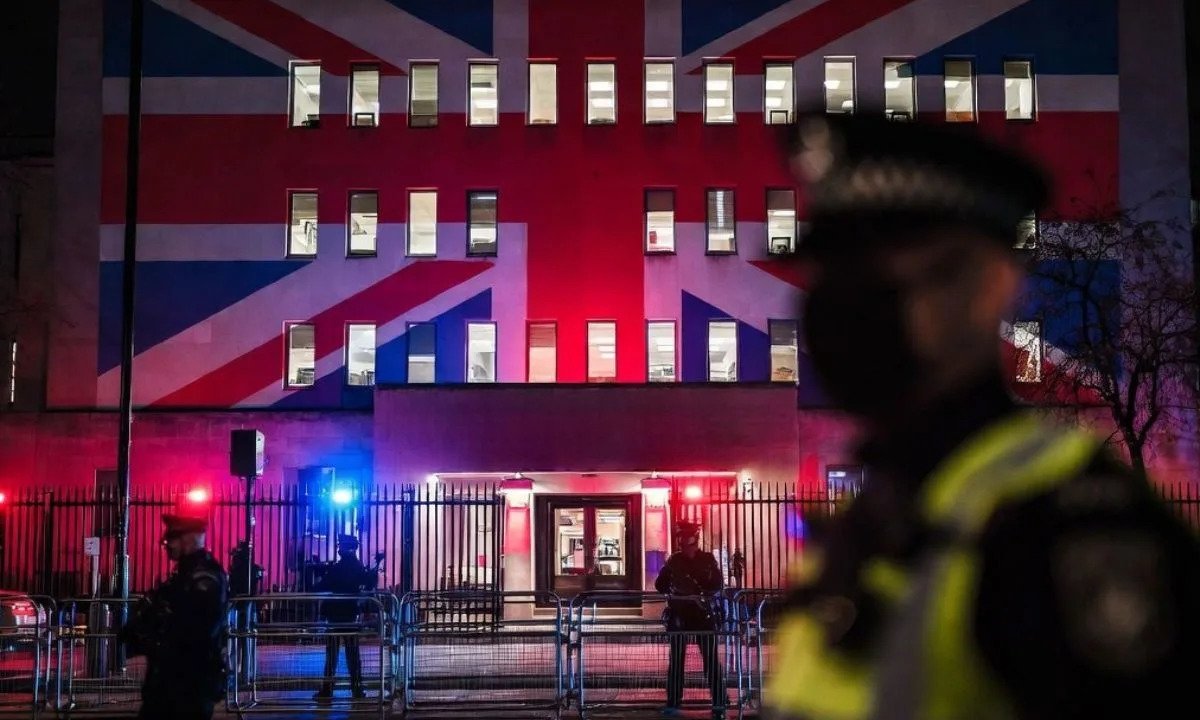
Police presence typically increases, surveillance measures are reinforced, and coordination between intelligence agencies and local authorities is tightened.
Transport systems, including rail networks and airports, often operate under stricter monitoring protocols, while event organizers may implement additional screening and crowd management measures.
For the United States, the advisory reflects both duty of care and strategic alignment with a close ally.
The UK remains one of the most visited destinations for American travelers, and coordinated messaging ensures consistent risk communication.
The advisory does not restrict travel but emphasizes situational awareness, including monitoring local media, following instructions from authorities, and reporting suspicious activity.
The broader context is a persistently elevated threat landscape across Europe.
Security agencies continue to track a mix of risks, including Islamist extremist networks, far-right radicalization, and lone-actor attacks inspired by online propaganda.
These threats are often diffuse and difficult to predict, making preventative measures heavily reliant on intelligence and public vigilance.
The immediate implication is an increase in visible security and precautionary behavior rather than disruption to daily life.
Flights, tourism, and business operations continue as normal, but under a heightened security umbrella that reflects a more cautious assessment of risk.
The raised threat level remains in effect while British authorities maintain enhanced security measures, with international partners like the United States continuing to align advisories to reflect the updated risk environment.
What is confirmed is that British officials increased the national terrorism threat level, a formal classification that signals the assessed likelihood of an attack.
This system ranges from low to critical, with higher levels indicating that an attack is considered more likely.
The change reflects intelligence assessments rather than a single publicly identified incident, and it triggers enhanced security measures across transport hubs, public venues, and critical infrastructure.
In response, the U.S. government issued a security alert to Americans in the United Kingdom, advising them to exercise heightened awareness in crowded places, tourist locations, and transportation networks.
Such alerts are routine when allied countries adjust threat levels, and they are intended to reinforce precautionary behavior rather than signal a specific imminent attack.
The mechanism behind the escalation is intelligence-driven risk assessment.
British security services regularly review a combination of domestic and international intelligence, including potential extremist activity, online radicalization patterns, and geopolitical developments that could increase the risk of attacks.
Raising the threat level does not necessarily mean a plot has been disrupted or identified, but that the overall risk environment has intensified.
Security posture changes are immediate and visible.
Police presence typically increases, surveillance measures are reinforced, and coordination between intelligence agencies and local authorities is tightened.
Transport systems, including rail networks and airports, often operate under stricter monitoring protocols, while event organizers may implement additional screening and crowd management measures.
For the United States, the advisory reflects both duty of care and strategic alignment with a close ally.
The UK remains one of the most visited destinations for American travelers, and coordinated messaging ensures consistent risk communication.
The advisory does not restrict travel but emphasizes situational awareness, including monitoring local media, following instructions from authorities, and reporting suspicious activity.
The broader context is a persistently elevated threat landscape across Europe.
Security agencies continue to track a mix of risks, including Islamist extremist networks, far-right radicalization, and lone-actor attacks inspired by online propaganda.
These threats are often diffuse and difficult to predict, making preventative measures heavily reliant on intelligence and public vigilance.
The immediate implication is an increase in visible security and precautionary behavior rather than disruption to daily life.
Flights, tourism, and business operations continue as normal, but under a heightened security umbrella that reflects a more cautious assessment of risk.
The raised threat level remains in effect while British authorities maintain enhanced security measures, with international partners like the United States continuing to align advisories to reflect the updated risk environment.