UK Distances Itself From Prince Harry Ahead of King Charles’s US Visit
Clarification underscores constitutional boundaries as monarchy manages competing public voices abroad
The British government has drawn a clear institutional line ahead of King Charles III’s visit to the United States, stating that Prince Harry does not represent the United Kingdom, reinforcing the distinction between official state actors and non-working members of the royal family.
What is confirmed is that Prince Harry, who stepped back from royal duties in 2020, holds no formal role in representing the UK government or conducting official diplomatic activity.
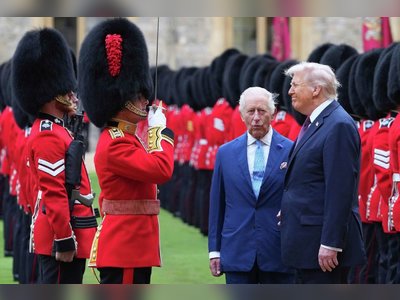
The statement comes as King Charles prepares for a US trip that carries both symbolic and political weight, particularly in maintaining transatlantic relations.
The mechanism behind this clarification lies in the constitutional structure of the United Kingdom.
The monarch serves as head of state, while government authority is exercised by elected officials.
Working members of the royal family carry out ceremonial and diplomatic functions on behalf of the Crown, but individuals who have relinquished those duties do not retain any official capacity, regardless of their title.
The key issue is the potential for public confusion.
Prince Harry remains a globally recognized figure and continues to engage in advocacy and public commentary, particularly in the United States where he now resides.
Without explicit clarification, his statements or activities could be misinterpreted as reflecting official British positions, especially in politically sensitive contexts.
The timing of the remarks is significant.
King Charles’s visit to the United States is intended to reinforce longstanding diplomatic ties, including cooperation on security, climate policy, and economic issues.
In this context, maintaining a single, authoritative channel of representation is essential to avoid mixed messaging.
This distinction also reflects a broader recalibration within the monarchy following the Duke of Sussex’s departure from frontline royal duties.
The royal household has increasingly emphasized the roles of working members in conducting formal engagements, while those outside that structure operate independently without institutional backing.
For the UK government, the statement serves a practical purpose.
Diplomatic communication depends on clarity about who speaks with authority.
By explicitly stating that Prince Harry does not represent the UK, officials are reinforcing the boundaries that underpin constitutional monarchy and ensuring that foreign counterparts engage with recognized state actors.
The episode illustrates the evolving challenge of managing a globally visible royal family in an era of independent platforms and personal branding.
While public figures associated with the monarchy retain influence, the government’s position confirms that only designated representatives carry official weight in international affairs.
As King Charles proceeds with his US visit, the clarification establishes a clear framework: official diplomacy is conducted through defined constitutional roles, and any parallel voices operate outside that system without formal standing.
What is confirmed is that Prince Harry, who stepped back from royal duties in 2020, holds no formal role in representing the UK government or conducting official diplomatic activity.
The statement comes as King Charles prepares for a US trip that carries both symbolic and political weight, particularly in maintaining transatlantic relations.
The mechanism behind this clarification lies in the constitutional structure of the United Kingdom.
The monarch serves as head of state, while government authority is exercised by elected officials.
Working members of the royal family carry out ceremonial and diplomatic functions on behalf of the Crown, but individuals who have relinquished those duties do not retain any official capacity, regardless of their title.
The key issue is the potential for public confusion.
Prince Harry remains a globally recognized figure and continues to engage in advocacy and public commentary, particularly in the United States where he now resides.
Without explicit clarification, his statements or activities could be misinterpreted as reflecting official British positions, especially in politically sensitive contexts.
The timing of the remarks is significant.
King Charles’s visit to the United States is intended to reinforce longstanding diplomatic ties, including cooperation on security, climate policy, and economic issues.
In this context, maintaining a single, authoritative channel of representation is essential to avoid mixed messaging.
This distinction also reflects a broader recalibration within the monarchy following the Duke of Sussex’s departure from frontline royal duties.
The royal household has increasingly emphasized the roles of working members in conducting formal engagements, while those outside that structure operate independently without institutional backing.
For the UK government, the statement serves a practical purpose.
Diplomatic communication depends on clarity about who speaks with authority.
By explicitly stating that Prince Harry does not represent the UK, officials are reinforcing the boundaries that underpin constitutional monarchy and ensuring that foreign counterparts engage with recognized state actors.
The episode illustrates the evolving challenge of managing a globally visible royal family in an era of independent platforms and personal branding.
While public figures associated with the monarchy retain influence, the government’s position confirms that only designated representatives carry official weight in international affairs.
As King Charles proceeds with his US visit, the clarification establishes a clear framework: official diplomacy is conducted through defined constitutional roles, and any parallel voices operate outside that system without formal standing.