UK net migration debate intensifies as Andy Burnham calls for sharper reductions
Greater Manchester mayor says migration must fall further, highlighting tensions between economic demand for labour and political pressure to tighten controls
ACTOR-DRIVEN — The debate over UK net migration is being shaped by senior political figures within the Labour Party and regional government leaders, including Greater Manchester mayor Andy Burnham, whose comments reflect growing pressure to tighten migration levels amid economic and political scrutiny.
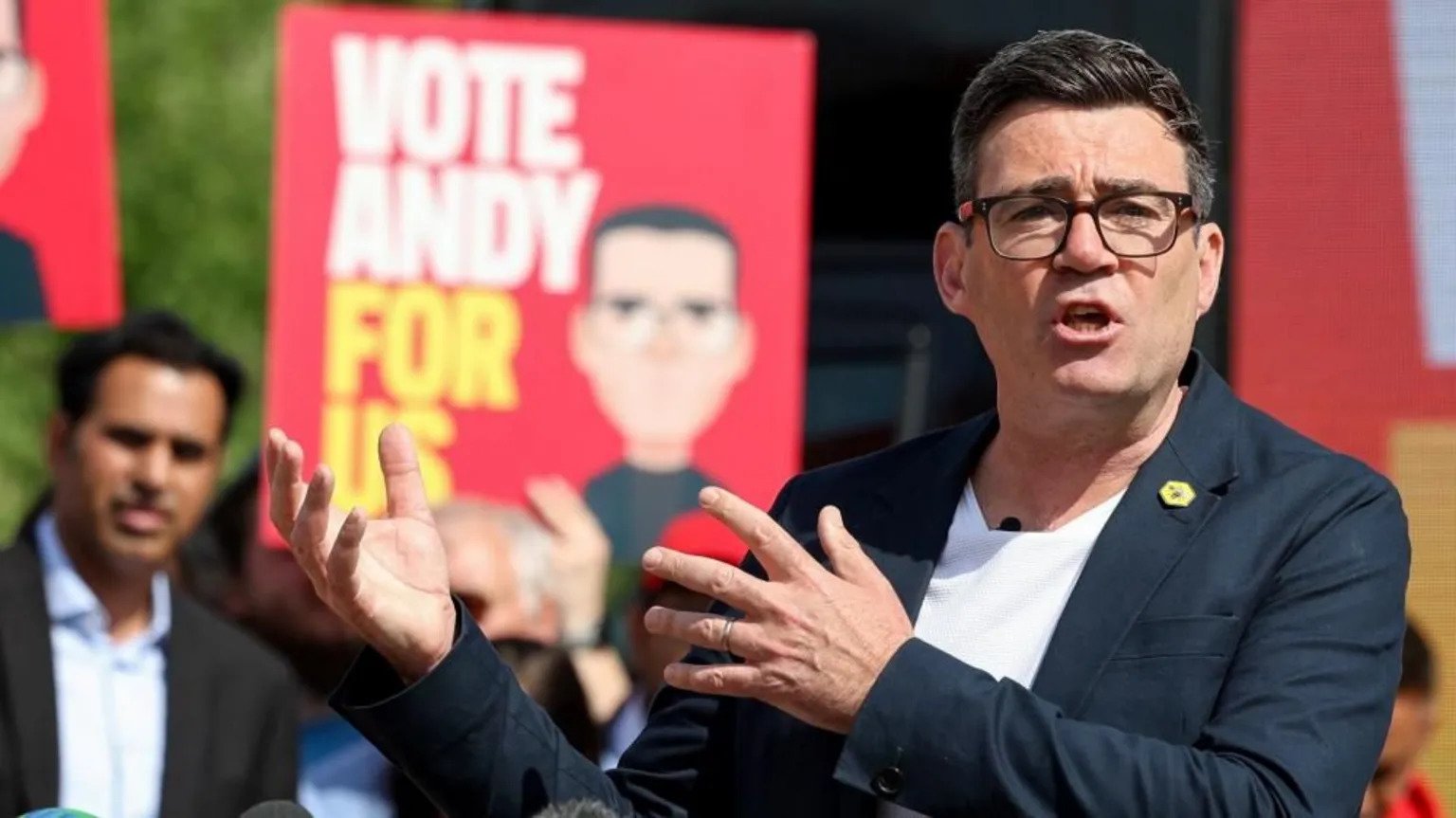
Andy Burnham’s position is that net migration to the United Kingdom needs to fall further, adding momentum to an already sensitive national debate over the scale and composition of immigration.
His intervention reflects concerns that current levels of migration are politically unsustainable and may strain public services, housing supply, and infrastructure capacity in parts of the country already under pressure.
Net migration refers to the difference between the number of people entering the UK and those leaving over a given period.
In recent years, the UK has recorded historically high net migration figures, driven largely by international students, health and care workers, and arrivals through humanitarian routes.
These inflows have been central to economic growth in sectors facing labour shortages, but they have also intensified political debate over border control and public service capacity.
Burnham’s call for further reductions highlights a tension at the heart of UK policy.
On one side is the economic reality that many sectors — including healthcare, social care, agriculture, and hospitality — rely heavily on migrant labour to fill persistent vacancies.
On the other is increasing political pressure, across parties and regions, to reduce overall migration numbers in response to voter concerns about housing, infrastructure strain, and integration capacity.
What is confirmed in broader policy terms is that UK governments have already taken steps to reduce certain migration routes, particularly student dependants and some work visa categories.
However, these measures have not yet fully reversed the upward trend in net migration, which remains significantly above levels seen in the previous decade.
The political significance of Burnham’s remarks lies in his position as a senior Labour figure outside central government, representing a major metropolitan region with acute housing pressures.
His intervention adds internal complexity to Labour’s broader policy challenge: balancing economic reliance on migrant labour with commitments to reduce overall migration levels.
The debate is also shaped by regional disparities.
Areas such as Greater Manchester face high demand for housing and public services, which intensifies sensitivity to population growth.
At the same time, those same regions often rely on migrant workers to sustain health services, transport systems, and local economies.
The broader implication is that migration policy is increasingly being treated not only as a national border issue but as a structural economic question tied to workforce planning, public service capacity, and regional development.
The pressure to reduce net migration further is likely to influence upcoming policy decisions on visa categories, employer sponsorship rules, and labour market planning frameworks.
The result is a continuing political balancing act between reducing net migration figures and maintaining the labour supply required to sustain core public services and economic activity across the United Kingdom.
Andy Burnham’s position is that net migration to the United Kingdom needs to fall further, adding momentum to an already sensitive national debate over the scale and composition of immigration.
His intervention reflects concerns that current levels of migration are politically unsustainable and may strain public services, housing supply, and infrastructure capacity in parts of the country already under pressure.
Net migration refers to the difference between the number of people entering the UK and those leaving over a given period.
In recent years, the UK has recorded historically high net migration figures, driven largely by international students, health and care workers, and arrivals through humanitarian routes.
These inflows have been central to economic growth in sectors facing labour shortages, but they have also intensified political debate over border control and public service capacity.
Burnham’s call for further reductions highlights a tension at the heart of UK policy.
On one side is the economic reality that many sectors — including healthcare, social care, agriculture, and hospitality — rely heavily on migrant labour to fill persistent vacancies.
On the other is increasing political pressure, across parties and regions, to reduce overall migration numbers in response to voter concerns about housing, infrastructure strain, and integration capacity.
What is confirmed in broader policy terms is that UK governments have already taken steps to reduce certain migration routes, particularly student dependants and some work visa categories.
However, these measures have not yet fully reversed the upward trend in net migration, which remains significantly above levels seen in the previous decade.
The political significance of Burnham’s remarks lies in his position as a senior Labour figure outside central government, representing a major metropolitan region with acute housing pressures.
His intervention adds internal complexity to Labour’s broader policy challenge: balancing economic reliance on migrant labour with commitments to reduce overall migration levels.
The debate is also shaped by regional disparities.
Areas such as Greater Manchester face high demand for housing and public services, which intensifies sensitivity to population growth.
At the same time, those same regions often rely on migrant workers to sustain health services, transport systems, and local economies.
The broader implication is that migration policy is increasingly being treated not only as a national border issue but as a structural economic question tied to workforce planning, public service capacity, and regional development.
The pressure to reduce net migration further is likely to influence upcoming policy decisions on visa categories, employer sponsorship rules, and labour market planning frameworks.
The result is a continuing political balancing act between reducing net migration figures and maintaining the labour supply required to sustain core public services and economic activity across the United Kingdom.