0:00
0:00
UK Foreign Secretary and U.S. State Chief Hold Strategic Talks as Tensions Rise Over Joint Air Base
Yvette Cooper and Marco Rubio meet in Washington amid disputes over Chagos Islands sovereignty and defence cooperation
The United Kingdom’s foreign secretary, Yvette Cooper, held high-level talks with United States Secretary of State Marco Rubio in Washington as strains surface over the future use of a key joint air base in the Indian Ocean and wider defence and diplomatic alignments.
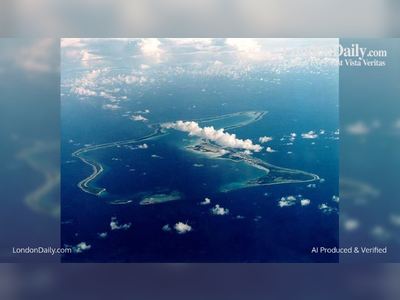
The discussions come amid renewed criticism from U.S. President Donald Trump about the British government’s decision to transfer sovereignty of the Chagos Islands to Mauritius—territory that includes the strategically important Diego Garcia base—while maintaining long-term military access arrangements.
Ms Cooper and Mr Rubio reaffirmed the depth of the U.K.–U.S. security partnership and discussed cooperative approaches to defence, regional stability and global security challenges.
They acknowledged shared priorities including diplomatic engagement with Iran and support for ongoing negotiations over Tehran’s nuclear programme, reflecting a consistent focus on reducing the risk of escalation and sustaining international pressure in pursuit of negotiated outcomes.
While British officials emphasised diplomatic and economic tools as preferred avenues for engaging with Iran, they reiterated that defence collaboration with the United States remains an essential pillar of both countries’ strategies in the Indo-Pacific and Middle East.
The meeting also addressed the implications of recent political disagreements over the Chagos Islands agreement, which had been backed by Washington before being publicly criticised by President Trump.
Mr Trump’s commentary renewed debate over the base’s role in forward military planning, particularly in potential contingencies involving Iran, prompting London to stress that bilateral cooperation is conducted through established alliance mechanisms and shared understanding of mutual interests.
UK government sources highlighted that long-term access to Diego Garcia is preserved under a 99-year lease and remains central to joint operations and strategic stability in the region.
Both officials underlined the importance of continuing close coordination on defence, intelligence and economic resilience as part of broader efforts to confront emerging security threats.
The meetings reflected a determination in London and Washington to manage points of friction within the context of a special relationship built on decades of cooperation across military, diplomatic and strategic domains.
Preparations for further bilateral and multilateral engagements are expected as allies seek to navigate evolving geopolitical pressures and reaffirm commitments to shared security objectives.
The discussions come amid renewed criticism from U.S. President Donald Trump about the British government’s decision to transfer sovereignty of the Chagos Islands to Mauritius—territory that includes the strategically important Diego Garcia base—while maintaining long-term military access arrangements.
Ms Cooper and Mr Rubio reaffirmed the depth of the U.K.–U.S. security partnership and discussed cooperative approaches to defence, regional stability and global security challenges.
They acknowledged shared priorities including diplomatic engagement with Iran and support for ongoing negotiations over Tehran’s nuclear programme, reflecting a consistent focus on reducing the risk of escalation and sustaining international pressure in pursuit of negotiated outcomes.
While British officials emphasised diplomatic and economic tools as preferred avenues for engaging with Iran, they reiterated that defence collaboration with the United States remains an essential pillar of both countries’ strategies in the Indo-Pacific and Middle East.
The meeting also addressed the implications of recent political disagreements over the Chagos Islands agreement, which had been backed by Washington before being publicly criticised by President Trump.
Mr Trump’s commentary renewed debate over the base’s role in forward military planning, particularly in potential contingencies involving Iran, prompting London to stress that bilateral cooperation is conducted through established alliance mechanisms and shared understanding of mutual interests.
UK government sources highlighted that long-term access to Diego Garcia is preserved under a 99-year lease and remains central to joint operations and strategic stability in the region.
Both officials underlined the importance of continuing close coordination on defence, intelligence and economic resilience as part of broader efforts to confront emerging security threats.
The meetings reflected a determination in London and Washington to manage points of friction within the context of a special relationship built on decades of cooperation across military, diplomatic and strategic domains.
Preparations for further bilateral and multilateral engagements are expected as allies seek to navigate evolving geopolitical pressures and reaffirm commitments to shared security objectives.