
UK Local Election Blow Raises Pressure on Keir Starmer as Political Fault Lines Deepen
Labour’s poor local election performance intensifies scrutiny of Keir Starmer’s leadership, exposing voter frustration, Reform UK gains, and unresolved tensions over economy, migration and public services.
The United Kingdom’s political landscape is being reshaped by electoral volatility at the local level, with the Labour Party under Prime Minister Keir Starmer facing a significant setback in recent local elections that has exposed shifting voter loyalties and growing fragmentation in the British party system.
The story is fundamentally driven by an electoral system shock: voter realignment across local councils that signals broader instability in national political support.
Labour, which entered government with Keir Starmer after a decisive general election victory in 2024, suffered heavy losses in council contests across England.
While local elections do not directly determine national government, they are widely viewed as a key indicator of public sentiment between general elections.
The losses were particularly notable because they came soon after Labour returned to power, suggesting early dissatisfaction rather than mid-term fatigue.
A major feature of the results was the rise of Reform UK, a right-wing populist party led by Nigel Farage.
Reform UK made substantial gains in several areas, drawing support from voters traditionally aligned with both Conservative and Labour parties.
The party’s success reflects growing discontent over immigration, cost of living pressures, and perceived failure of mainstream parties to deliver rapid economic improvement.
The Conservative Party also suffered losses, continuing a longer-term decline following its defeat in the general election.
Together, the results highlight a breakdown in the traditional two-party dominance that has defined UK politics for decades.
Labour’s losses were not uniform.
In some urban areas, the party maintained strong support, particularly where it remains anchored by public sector employment and long-standing local networks.
However, in suburban and semi-rural regions, voter shifts were more pronounced.
Key issues shaping voter behavior included economic stagnation, housing affordability, strained public services, immigration policy debates and dissatisfaction with the pace of national reform.
While the government has argued it inherited structural challenges, voters appear to be judging it on early delivery rather than long-term planning.
The political impact of local elections in the UK is indirect but important.
Councils control major aspects of daily life including housing planning, waste management, local taxation and social services.
They also serve as a testing ground for national parties’ credibility.
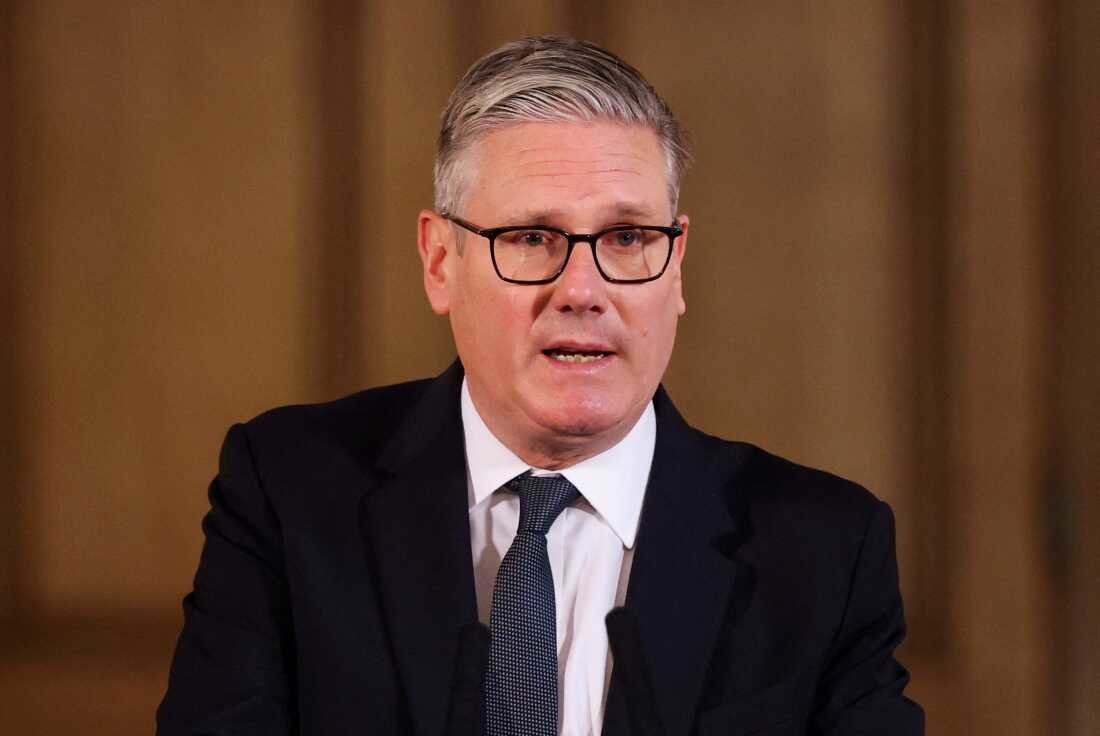
For Keir Starmer, the results create immediate political pressure inside Labour.
While he retains a parliamentary majority, internal party dynamics are influenced by perceptions of electoral momentum and public trust.
Poor local results can strengthen internal critics and complicate policy implementation.
At the same time, the Conservative Party’s continued weakness has not translated into a clear alternative governing force.
Instead, fragmentation is increasing, with Reform UK emerging as a disruptive force rather than a traditional governing party.
This fragmentation creates strategic uncertainty for British politics.
A three- or four-party system increases the likelihood of hung councils, coalition arrangements at local level, and unpredictable national election dynamics in the future.
The results also highlight a broader European trend: the weakening of established center-left and center-right parties under pressure from populist movements that capitalize on economic anxiety and cultural divisions.
Immigration remains one of the most politically sensitive issues in the UK. Reform UK’s gains suggest that stricter border control messaging resonates with a portion of the electorate dissatisfied with current policy.
Labour, meanwhile, is attempting to balance voter expectations for tighter control with economic needs for migrant labor in key sectors.
Economically, the UK continues to face slow growth, persistent inflation pressures in certain sectors, and strained public finances.
These conditions limit the government’s ability to quickly deliver visible improvements in living standards, which in turn affects voter sentiment.
The Labour leadership argues that meaningful reform requires time, particularly in areas such as infrastructure, housing construction and health service recovery.
Critics counter that political capital is being spent faster than tangible improvements are being delivered.
Internationally, the UK remains stable in institutional terms, but domestic political volatility is increasing uncertainty about long-term policy direction, particularly on taxation, public spending and regulatory frameworks.
What is confirmed is that Labour lost significant ground in local council elections while Reform UK made measurable gains and the Conservative Party continued its downward trajectory.
The practical consequence is a more fragmented political landscape in which voter loyalty is weakening and electoral outcomes are becoming less predictable across both local and national levels.
The story is fundamentally driven by an electoral system shock: voter realignment across local councils that signals broader instability in national political support.
Labour, which entered government with Keir Starmer after a decisive general election victory in 2024, suffered heavy losses in council contests across England.
While local elections do not directly determine national government, they are widely viewed as a key indicator of public sentiment between general elections.
The losses were particularly notable because they came soon after Labour returned to power, suggesting early dissatisfaction rather than mid-term fatigue.
A major feature of the results was the rise of Reform UK, a right-wing populist party led by Nigel Farage.
Reform UK made substantial gains in several areas, drawing support from voters traditionally aligned with both Conservative and Labour parties.
The party’s success reflects growing discontent over immigration, cost of living pressures, and perceived failure of mainstream parties to deliver rapid economic improvement.
The Conservative Party also suffered losses, continuing a longer-term decline following its defeat in the general election.
Together, the results highlight a breakdown in the traditional two-party dominance that has defined UK politics for decades.
Labour’s losses were not uniform.
In some urban areas, the party maintained strong support, particularly where it remains anchored by public sector employment and long-standing local networks.
However, in suburban and semi-rural regions, voter shifts were more pronounced.
Key issues shaping voter behavior included economic stagnation, housing affordability, strained public services, immigration policy debates and dissatisfaction with the pace of national reform.
While the government has argued it inherited structural challenges, voters appear to be judging it on early delivery rather than long-term planning.
The political impact of local elections in the UK is indirect but important.
Councils control major aspects of daily life including housing planning, waste management, local taxation and social services.
They also serve as a testing ground for national parties’ credibility.
For Keir Starmer, the results create immediate political pressure inside Labour.
While he retains a parliamentary majority, internal party dynamics are influenced by perceptions of electoral momentum and public trust.
Poor local results can strengthen internal critics and complicate policy implementation.
At the same time, the Conservative Party’s continued weakness has not translated into a clear alternative governing force.
Instead, fragmentation is increasing, with Reform UK emerging as a disruptive force rather than a traditional governing party.
This fragmentation creates strategic uncertainty for British politics.
A three- or four-party system increases the likelihood of hung councils, coalition arrangements at local level, and unpredictable national election dynamics in the future.
The results also highlight a broader European trend: the weakening of established center-left and center-right parties under pressure from populist movements that capitalize on economic anxiety and cultural divisions.
Immigration remains one of the most politically sensitive issues in the UK. Reform UK’s gains suggest that stricter border control messaging resonates with a portion of the electorate dissatisfied with current policy.
Labour, meanwhile, is attempting to balance voter expectations for tighter control with economic needs for migrant labor in key sectors.
Economically, the UK continues to face slow growth, persistent inflation pressures in certain sectors, and strained public finances.
These conditions limit the government’s ability to quickly deliver visible improvements in living standards, which in turn affects voter sentiment.
The Labour leadership argues that meaningful reform requires time, particularly in areas such as infrastructure, housing construction and health service recovery.
Critics counter that political capital is being spent faster than tangible improvements are being delivered.
Internationally, the UK remains stable in institutional terms, but domestic political volatility is increasing uncertainty about long-term policy direction, particularly on taxation, public spending and regulatory frameworks.
What is confirmed is that Labour lost significant ground in local council elections while Reform UK made measurable gains and the Conservative Party continued its downward trajectory.
The practical consequence is a more fragmented political landscape in which voter loyalty is weakening and electoral outcomes are becoming less predictable across both local and national levels.











