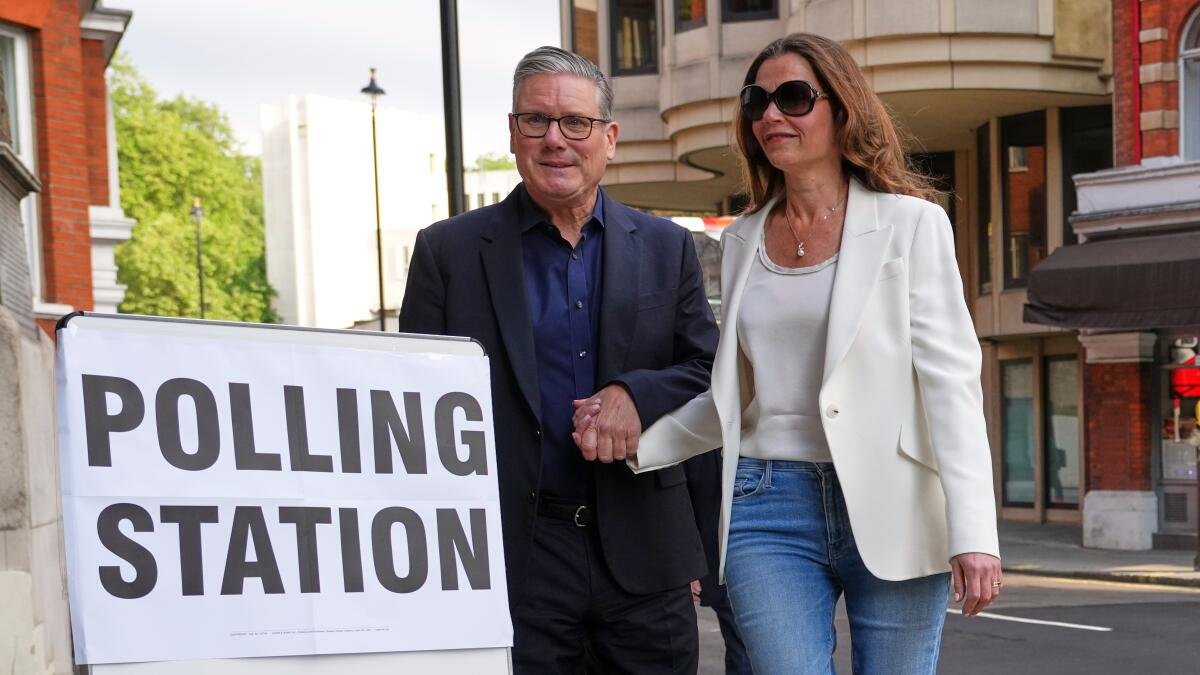
UK Local Elections Deliver Early Verdict on Keir Starmer as Voters Punish Governing Party and Fragment Politics
Local election results across England highlight voter volatility, gains for opposition forces and mounting pressure on Labour’s governing strategy under Prime Minister Keir Starmer.
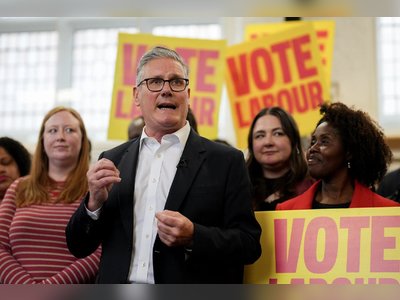
The United Kingdom’s local elections have produced a broad political signal about the direction of voter sentiment under Prime Minister Keir Starmer, with results widely interpreted as an early test of the Labour government’s authority and policy direction.
The story is fundamentally system-driven.
The core issue is how Britain’s multi-layered electoral system—where local council votes often reflect national political mood—translates public dissatisfaction, fragmentation and protest voting into shifting control of local governance.
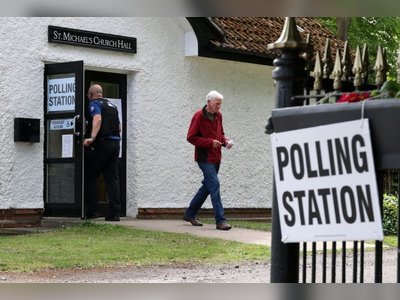
What is confirmed is that voters across multiple English councils participated in scheduled local elections that serve as a mid-term indicator of political sentiment toward the governing party and opposition forces.
These elections typically influence control over local services including housing, transport, planning and social care, while also acting as a barometer for national leadership approval.
The results have been widely interpreted as a political verdict on Keir Starmer’s leadership in his early period as prime minister.
While local elections are not direct referendums on national government, they frequently reflect public satisfaction or dissatisfaction with economic conditions, public services and political direction.
Early counting patterns indicate pressure on the governing Labour Party, alongside gains for opposition parties in several areas.
The results also reflect continued fragmentation in British politics, with support distributed across multiple parties rather than concentrated in a two-party system as in earlier decades.
The Conservative Party, still recovering from its general election defeat and leadership transition, remains a key player in local contests but continues to face challenges rebuilding trust among voters after years of national political instability and internal leadership turnover.
At the same time, smaller parties and independents have played a significant role in shaping outcomes in specific councils.
This reflects a broader trend in British politics in which local issues, candidate profiles and protest voting increasingly influence results alongside national party branding.
Local elections in the UK are structurally important because council control affects daily governance decisions such as housing allocation, waste management, school services and infrastructure planning.
Although they do not directly change the national government, they can shift political momentum and internal party strategy.
For the Labour government, the results carry immediate political implications.
Early-term local election performance is often used to assess whether a governing party is maintaining public confidence after entering office.
Poor performance can trigger internal pressure, policy recalibration or strategic communication changes.
For opposition parties, gains in local councils can provide organizational strength, increased visibility and a platform for testing policy messages ahead of future national elections.
The results also reflect broader structural pressures in UK politics, including cost-of-living concerns, housing shortages, strained public services and debates over immigration and economic growth.
These issues often dominate voter decision-making in local elections, even when national policy is not directly controlled by councils.
Electoral volatility has become a defining feature of recent British politics.
Voters are increasingly willing to shift support between parties or abstain altogether, making outcomes more sensitive to short-term political events and public sentiment.
The interpretation of these elections as a verdict on Keir Starmer’s leadership reflects the reality that governing parties are routinely judged early in their term, even when structural economic and policy constraints limit immediate change.
The immediate consequence of the results is a recalibration of political pressure on both government and opposition parties as they assess voter sentiment, adjust messaging and prepare for future national electoral contests where local trends may serve as an early indicator of broader political direction.
The story is fundamentally system-driven.
The core issue is how Britain’s multi-layered electoral system—where local council votes often reflect national political mood—translates public dissatisfaction, fragmentation and protest voting into shifting control of local governance.
What is confirmed is that voters across multiple English councils participated in scheduled local elections that serve as a mid-term indicator of political sentiment toward the governing party and opposition forces.
These elections typically influence control over local services including housing, transport, planning and social care, while also acting as a barometer for national leadership approval.
The results have been widely interpreted as a political verdict on Keir Starmer’s leadership in his early period as prime minister.
While local elections are not direct referendums on national government, they frequently reflect public satisfaction or dissatisfaction with economic conditions, public services and political direction.
Early counting patterns indicate pressure on the governing Labour Party, alongside gains for opposition parties in several areas.
The results also reflect continued fragmentation in British politics, with support distributed across multiple parties rather than concentrated in a two-party system as in earlier decades.
The Conservative Party, still recovering from its general election defeat and leadership transition, remains a key player in local contests but continues to face challenges rebuilding trust among voters after years of national political instability and internal leadership turnover.
At the same time, smaller parties and independents have played a significant role in shaping outcomes in specific councils.
This reflects a broader trend in British politics in which local issues, candidate profiles and protest voting increasingly influence results alongside national party branding.
Local elections in the UK are structurally important because council control affects daily governance decisions such as housing allocation, waste management, school services and infrastructure planning.
Although they do not directly change the national government, they can shift political momentum and internal party strategy.
For the Labour government, the results carry immediate political implications.
Early-term local election performance is often used to assess whether a governing party is maintaining public confidence after entering office.
Poor performance can trigger internal pressure, policy recalibration or strategic communication changes.
For opposition parties, gains in local councils can provide organizational strength, increased visibility and a platform for testing policy messages ahead of future national elections.
The results also reflect broader structural pressures in UK politics, including cost-of-living concerns, housing shortages, strained public services and debates over immigration and economic growth.
These issues often dominate voter decision-making in local elections, even when national policy is not directly controlled by councils.
Electoral volatility has become a defining feature of recent British politics.
Voters are increasingly willing to shift support between parties or abstain altogether, making outcomes more sensitive to short-term political events and public sentiment.
The interpretation of these elections as a verdict on Keir Starmer’s leadership reflects the reality that governing parties are routinely judged early in their term, even when structural economic and policy constraints limit immediate change.
The immediate consequence of the results is a recalibration of political pressure on both government and opposition parties as they assess voter sentiment, adjust messaging and prepare for future national electoral contests where local trends may serve as an early indicator of broader political direction.