UK Local Elections Put National Politics to the Test as Voters Decide Council Control
Millions across England head to the polls in elections widely viewed as a barometer of support for the governing party and opposition strength at local level
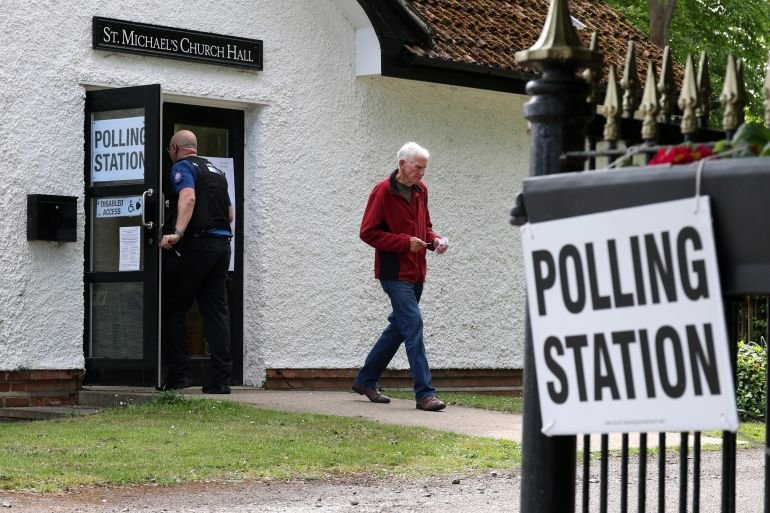
The UK’s local electoral system is driving a nationwide vote in which millions of people across England are choosing council representatives responsible for services such as housing, planning, social care, waste collection, and local taxation.
While these elections are formally about local governance, they are widely treated as a mid-term judgment on the national political mood and the performance of the government in Westminster.
Local councils in England operate as the most immediate layer of government between residents and the state.
They manage essential services that affect daily life, but they also serve as a political indicator of public sentiment.
When voters cast ballots in these elections, they are often influenced not only by local issues but also by national debates on the economy, public services, immigration, and leadership credibility.
What is confirmed is that multiple regions across England are participating in scheduled council elections, with seats contested in a patchwork of local authorities rather than a single nationwide vote.
These elections typically involve a mix of urban, suburban, and rural councils, each with different political histories and voter priorities.
The outcome determines which parties control local budgets and policy decisions for the coming term.
The broader political significance is substantial.
For governing parties, local elections often test whether national policy direction is translating into voter confidence at the grassroots level.
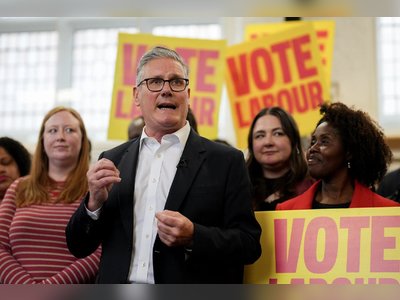
For opposition parties, gains at council level are used to demonstrate momentum and readiness to challenge for national power.
Even modest shifts in vote share can be interpreted as signals about future general election dynamics.
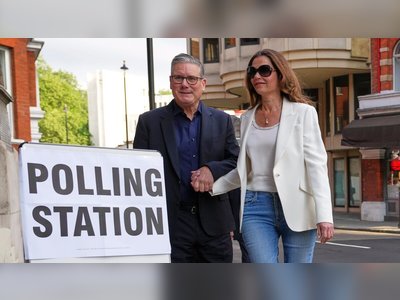
The electoral mechanism is straightforward: voters select councillors in their local ward, usually under a first-past-the-post system.
The party with the majority of seats in a council typically forms the administration and selects the council leader.
In councils where no party has a majority, coalitions or minority administrations are formed, often requiring negotiation between parties.
Turnout in local elections is historically lower than in general elections, which can amplify the impact of motivated voter blocs and local campaigning efforts.
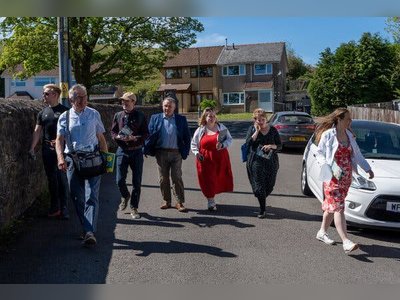
Issues such as pothole repairs, school funding, social housing availability, and council tax levels frequently dominate local canvassing, even as national political narratives influence overall voting patterns.
The results of these elections will be counted after polls close and will be released council by council.
Political parties will then assess gains and losses in both seat numbers and vote share, using the data to recalibrate messaging and strategy ahead of future national contests.
The composition of each council will directly shape local policy decisions and spending priorities for the next term.
While these elections are formally about local governance, they are widely treated as a mid-term judgment on the national political mood and the performance of the government in Westminster.
Local councils in England operate as the most immediate layer of government between residents and the state.
They manage essential services that affect daily life, but they also serve as a political indicator of public sentiment.
When voters cast ballots in these elections, they are often influenced not only by local issues but also by national debates on the economy, public services, immigration, and leadership credibility.
What is confirmed is that multiple regions across England are participating in scheduled council elections, with seats contested in a patchwork of local authorities rather than a single nationwide vote.
These elections typically involve a mix of urban, suburban, and rural councils, each with different political histories and voter priorities.
The outcome determines which parties control local budgets and policy decisions for the coming term.
The broader political significance is substantial.
For governing parties, local elections often test whether national policy direction is translating into voter confidence at the grassroots level.
For opposition parties, gains at council level are used to demonstrate momentum and readiness to challenge for national power.
Even modest shifts in vote share can be interpreted as signals about future general election dynamics.
The electoral mechanism is straightforward: voters select councillors in their local ward, usually under a first-past-the-post system.
The party with the majority of seats in a council typically forms the administration and selects the council leader.
In councils where no party has a majority, coalitions or minority administrations are formed, often requiring negotiation between parties.
Turnout in local elections is historically lower than in general elections, which can amplify the impact of motivated voter blocs and local campaigning efforts.
Issues such as pothole repairs, school funding, social housing availability, and council tax levels frequently dominate local canvassing, even as national political narratives influence overall voting patterns.
The results of these elections will be counted after polls close and will be released council by council.
Political parties will then assess gains and losses in both seat numbers and vote share, using the data to recalibrate messaging and strategy ahead of future national contests.
The composition of each council will directly shape local policy decisions and spending priorities for the next term.