
UK Long-Term Borrowing Costs Hit Highest Levels in Decades Amid Political Strain
Thirty-year gilt yields surge to levels last seen in the late 1990s as markets reassess fiscal stability and political risk in the UK economy.
The UK government bond market is being driven by a system-level reassessment of long-term fiscal credibility, where investor expectations about inflation, debt sustainability, and political stability are directly feeding into borrowing costs.
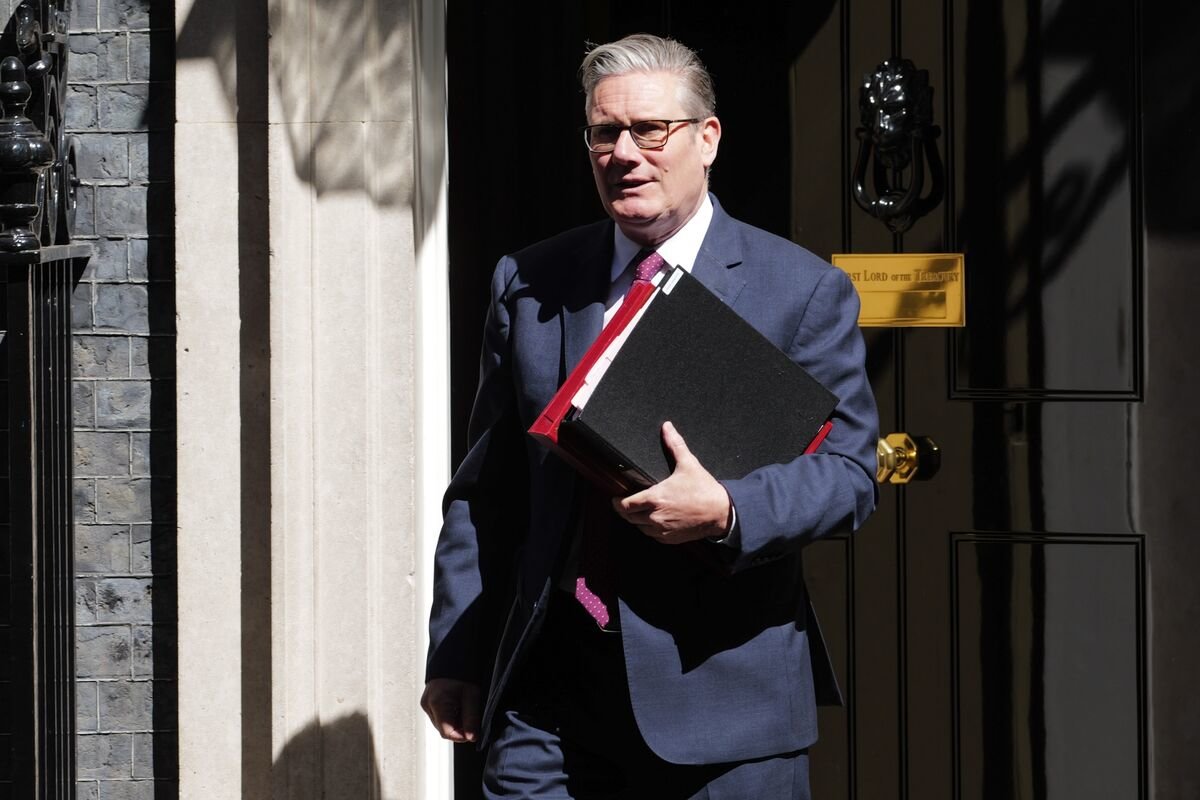
That mechanism has pushed long-term UK yields to their highest levels in decades amid renewed political pressure on the government led by Prime Minister Keir Starmer.
What is confirmed is that yields on 30-year UK government bonds have risen sharply, reaching levels not seen since the late 1990s.
This means the UK must now pay significantly more to borrow money over long time horizons, reflecting increased investor compensation for perceived risk.
The immediate driver of the move is a combination of domestic political uncertainty and broader global financial conditions.
Investors are increasingly sensitive to signals about fiscal direction, particularly in advanced economies carrying high public debt.
When confidence in long-term policy stability weakens, demand for government debt falls or requires higher yields to attract buyers.
In the UK case, market attention has focused on questions surrounding the government’s fiscal strategy, including spending commitments, taxation policy, and the ability to maintain credibility with bond investors while also responding to domestic economic pressures such as weak growth and cost-of-living constraints.
Long-dated bonds such as 30-year gilts are especially sensitive because they reflect expectations over multiple decades.
Investors in these instruments are effectively pricing long-term inflation risk, debt issuance trends, and the probability of future policy shifts that could affect repayment value in real terms.
Sterling has also shown sensitivity to these developments, with currency markets reacting to shifts in perceived fiscal stability.
A weaker currency can compound inflation pressures by increasing import costs, which in turn feeds back into expectations for interest rates and government borrowing costs.
Global context is also important.
Major economies have faced sustained pressure on long-term borrowing costs due to higher interest rates set by central banks responding to inflation.
As monetary policy has tightened, governments have had to refinance debt at higher rates, increasing market scrutiny of fiscal trajectories.
The UK is particularly exposed because it carries a large stock of government debt relative to GDP and a significant share of inflation-linked securities.
This makes public finances more sensitive to both interest rate movements and inflation expectations than in some comparable economies.
Political factors amplify these dynamics.
Markets respond not only to economic data but also to perceived policy consistency.
When investors detect uncertainty in political direction, they typically demand a higher risk premium on government debt, pushing yields upward.
The reference in market commentary to pressure on the prime minister reflects concerns about whether current leadership can maintain a stable fiscal framework over time.
Even without immediate policy changes, perceived instability can be enough to shift pricing in long-term bond markets.
Higher borrowing costs have direct consequences for public finances.
Rising yields increase the cost of servicing existing debt and reduce fiscal flexibility, potentially forcing trade-offs between spending commitments and taxation.
Over time, this can constrain government policy options regardless of political intent.
The 30-year yield movement is therefore not an isolated market event but part of a broader repricing of long-term risk in UK sovereign debt.
It reflects how investors are recalibrating expectations about inflation persistence, debt issuance, and political continuity.
The implication is a tighter feedback loop between politics and financial markets, where shifts in confidence can translate rapidly into higher financing costs for the state, reinforcing pressure on fiscal decision-making and long-term economic planning.
That mechanism has pushed long-term UK yields to their highest levels in decades amid renewed political pressure on the government led by Prime Minister Keir Starmer.
What is confirmed is that yields on 30-year UK government bonds have risen sharply, reaching levels not seen since the late 1990s.
This means the UK must now pay significantly more to borrow money over long time horizons, reflecting increased investor compensation for perceived risk.
The immediate driver of the move is a combination of domestic political uncertainty and broader global financial conditions.
Investors are increasingly sensitive to signals about fiscal direction, particularly in advanced economies carrying high public debt.
When confidence in long-term policy stability weakens, demand for government debt falls or requires higher yields to attract buyers.
In the UK case, market attention has focused on questions surrounding the government’s fiscal strategy, including spending commitments, taxation policy, and the ability to maintain credibility with bond investors while also responding to domestic economic pressures such as weak growth and cost-of-living constraints.
Long-dated bonds such as 30-year gilts are especially sensitive because they reflect expectations over multiple decades.
Investors in these instruments are effectively pricing long-term inflation risk, debt issuance trends, and the probability of future policy shifts that could affect repayment value in real terms.
Sterling has also shown sensitivity to these developments, with currency markets reacting to shifts in perceived fiscal stability.
A weaker currency can compound inflation pressures by increasing import costs, which in turn feeds back into expectations for interest rates and government borrowing costs.
Global context is also important.
Major economies have faced sustained pressure on long-term borrowing costs due to higher interest rates set by central banks responding to inflation.
As monetary policy has tightened, governments have had to refinance debt at higher rates, increasing market scrutiny of fiscal trajectories.
The UK is particularly exposed because it carries a large stock of government debt relative to GDP and a significant share of inflation-linked securities.
This makes public finances more sensitive to both interest rate movements and inflation expectations than in some comparable economies.
Political factors amplify these dynamics.
Markets respond not only to economic data but also to perceived policy consistency.
When investors detect uncertainty in political direction, they typically demand a higher risk premium on government debt, pushing yields upward.
The reference in market commentary to pressure on the prime minister reflects concerns about whether current leadership can maintain a stable fiscal framework over time.
Even without immediate policy changes, perceived instability can be enough to shift pricing in long-term bond markets.
Higher borrowing costs have direct consequences for public finances.
Rising yields increase the cost of servicing existing debt and reduce fiscal flexibility, potentially forcing trade-offs between spending commitments and taxation.
Over time, this can constrain government policy options regardless of political intent.
The 30-year yield movement is therefore not an isolated market event but part of a broader repricing of long-term risk in UK sovereign debt.
It reflects how investors are recalibrating expectations about inflation persistence, debt issuance, and political continuity.
The implication is a tighter feedback loop between politics and financial markets, where shifts in confidence can translate rapidly into higher financing costs for the state, reinforcing pressure on fiscal decision-making and long-term economic planning.