UK set to tighten tariff-free steel import quotas to protect domestic industry
Ministers plan to cut the volume of tariff-free steel imports as part of broader measures to shield British steelmakers from global overcapacity
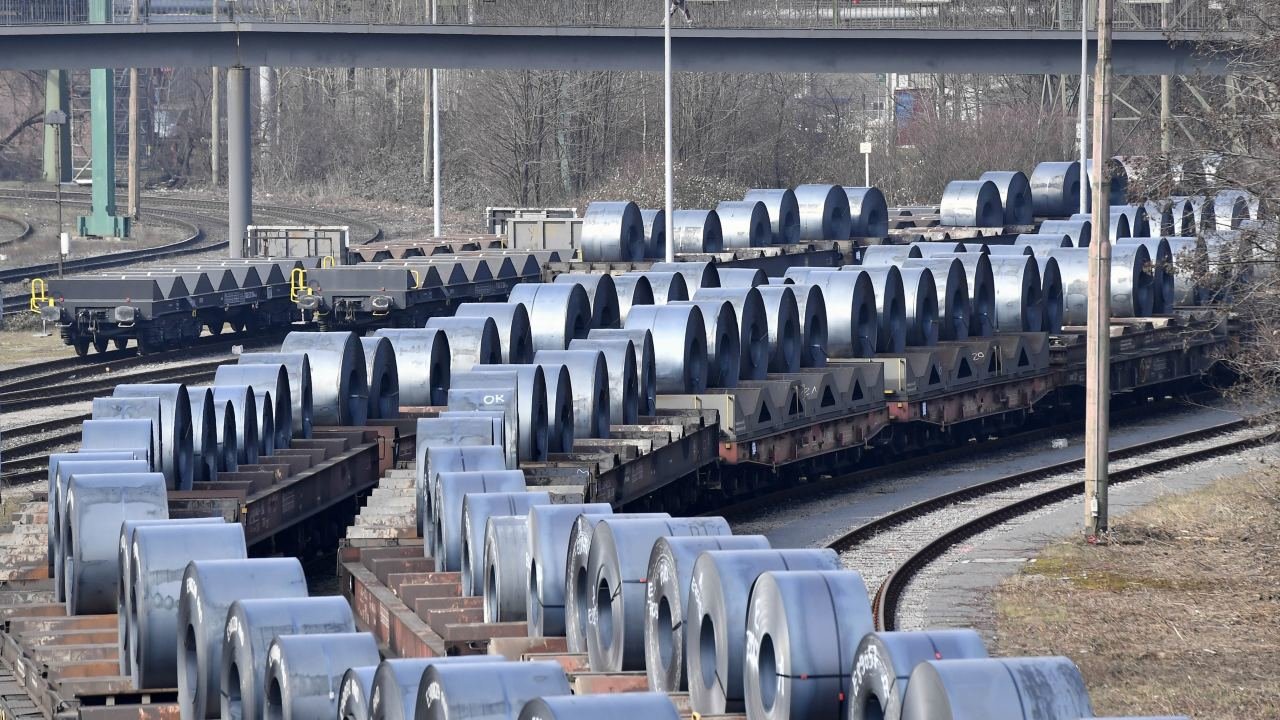
The UK government is preparing to reduce the amount of steel that can enter the country tariff-free, reflecting deepening concerns about global overcapacity and the pressures faced by domestic producers.
Trade officials are reviewing existing tariff-rate quotas (TRQs) that allow certain quantities of steel to be imported without attracting higher duties, with new limits expected to be announced in the coming months and implemented later this year.
The move comes as Chinese exports of steel have reached record levels and other major exporting nations, such as Vietnam, South Korea and Turkey, have contributed to a glut in global markets that British producers say undermines their competitiveness.
The Trade Remedies Authority (TRA) has already recommended tighter country-specific caps and other quota changes to prevent surges of cheap imports that could have a destabilising impact on UK steelmakers.
These proposals include restricting the liberalisation of TRQs and imposing smaller residual quotas for key product categories to align imports more closely with traditional trade flows.
Under World Trade Organization rules, the current safeguard measures governing steel imports, inherited from the European Union after Brexit, are due to expire in June.
Because they cannot be extended under those rules, Britain is working to replace them with a new quota regime that would limit tariff-free access more strictly.
Domestic industry leaders, including major producers and sector trade associations, have welcomed the government’s intention to protect the UK market and support jobs, while some steel-using manufacturers have raised concerns about potential cost increases and supply constraints.
Government officials have emphasised that the policy is part of a broader strategy to strengthen the UK’s industrial base, maintain supply chain resilience and ensure a level playing field for British steel.
A comprehensive steel sector strategy is expected later this year, outlining longer-term measures alongside the immediate adjustments to tariff quotas.
By curbing the volume of tariff-free imports, ministers aim to shield the domestic industry from the worst effects of global oversupply and reinforce Britain’s economic security in an increasingly volatile international trade environment.
Trade officials are reviewing existing tariff-rate quotas (TRQs) that allow certain quantities of steel to be imported without attracting higher duties, with new limits expected to be announced in the coming months and implemented later this year.
The move comes as Chinese exports of steel have reached record levels and other major exporting nations, such as Vietnam, South Korea and Turkey, have contributed to a glut in global markets that British producers say undermines their competitiveness.
The Trade Remedies Authority (TRA) has already recommended tighter country-specific caps and other quota changes to prevent surges of cheap imports that could have a destabilising impact on UK steelmakers.
These proposals include restricting the liberalisation of TRQs and imposing smaller residual quotas for key product categories to align imports more closely with traditional trade flows.
Under World Trade Organization rules, the current safeguard measures governing steel imports, inherited from the European Union after Brexit, are due to expire in June.
Because they cannot be extended under those rules, Britain is working to replace them with a new quota regime that would limit tariff-free access more strictly.
Domestic industry leaders, including major producers and sector trade associations, have welcomed the government’s intention to protect the UK market and support jobs, while some steel-using manufacturers have raised concerns about potential cost increases and supply constraints.
Government officials have emphasised that the policy is part of a broader strategy to strengthen the UK’s industrial base, maintain supply chain resilience and ensure a level playing field for British steel.
A comprehensive steel sector strategy is expected later this year, outlining longer-term measures alongside the immediate adjustments to tariff quotas.
By curbing the volume of tariff-free imports, ministers aim to shield the domestic industry from the worst effects of global oversupply and reinforce Britain’s economic security in an increasingly volatile international trade environment.