Keir Starmer Rejects Trump’s Greenland Tariff Threat as ‘Completely Wrong’
British prime minister rebukes U.S. tariff plans tied to Greenland dispute, reaffirming NATO cooperation and allied sovereignty
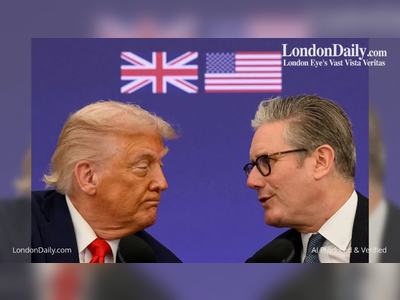
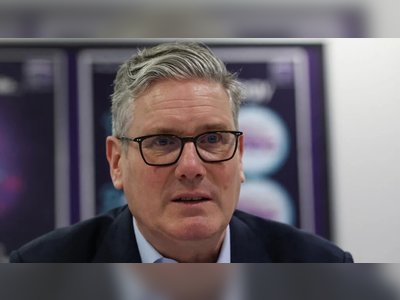
British Prime Minister Sir Keir Starmer has strongly criticised U.S. President Donald Trump’s announcement of punitive tariffs on allied European nations over their opposition to U.S. efforts concerning Greenland.
Starmer described the proposed levies — set to begin at ten per cent from February and rise to twenty-five per cent by June unless a deal over Greenland is reached — as “completely wrong,” and said they risk undermining decades of cooperation between close partners.
In a statement issued in London, Starmer reiterated the United Kingdom’s position that Greenland remains part of the Kingdom of Denmark and that its future should be determined by the Greenlanders and Danes themselves.
He also emphasised that Arctic security is a matter for all members of the North Atlantic Treaty Organization, urging collective action rather than unilateral economic penalties.
The prime minister said his government will pursue discussions on the matter directly with the U.S. administration in an effort to resolve differences and avoid further escalation.
The tariffs announced by Trump apply not only to the United Kingdom but also to Denmark, Norway, Sweden, France, Germany, the Netherlands and Finland over their stated opposition to U.S. ambitions tied to Greenland’s status.
European leaders have broadly rejected the U.S. approach, asserting that sovereignty and regional security cooperation should not be subject to economic coercion.
Starmer’s comments were echoed by other allied officials who underscored solidarity with Denmark and the importance of upholding international norms.
Starmer’s rebuke comes amid broader tensions between the United States and its NATO partners, as transatlantic relations navigate disagreements over Arctic security policy and economic measures.
The British prime minister’s response reflects a determination to defend allied consensus and maintain constructive engagement with Washington despite profound policy differences.
Starmer described the proposed levies — set to begin at ten per cent from February and rise to twenty-five per cent by June unless a deal over Greenland is reached — as “completely wrong,” and said they risk undermining decades of cooperation between close partners.
In a statement issued in London, Starmer reiterated the United Kingdom’s position that Greenland remains part of the Kingdom of Denmark and that its future should be determined by the Greenlanders and Danes themselves.
He also emphasised that Arctic security is a matter for all members of the North Atlantic Treaty Organization, urging collective action rather than unilateral economic penalties.
The prime minister said his government will pursue discussions on the matter directly with the U.S. administration in an effort to resolve differences and avoid further escalation.
The tariffs announced by Trump apply not only to the United Kingdom but also to Denmark, Norway, Sweden, France, Germany, the Netherlands and Finland over their stated opposition to U.S. ambitions tied to Greenland’s status.
European leaders have broadly rejected the U.S. approach, asserting that sovereignty and regional security cooperation should not be subject to economic coercion.
Starmer’s comments were echoed by other allied officials who underscored solidarity with Denmark and the importance of upholding international norms.
Starmer’s rebuke comes amid broader tensions between the United States and its NATO partners, as transatlantic relations navigate disagreements over Arctic security policy and economic measures.
The British prime minister’s response reflects a determination to defend allied consensus and maintain constructive engagement with Washington despite profound policy differences.