UK to End Jury Trials for Most Minor Offences in Bid to Slash Court Backlog
Government plans judge-only “swift courts” for crimes with sentences up to three years to clear 80,000-case backlog
The British government has announced sweeping reforms to the criminal justice system in England and Wales, proposing to scrap jury trials for the majority of non-serious offences.
Under the reforms, cases carrying likely sentences of three years or less will be heard by a judge alone — a shift expected to reduce the number of jury trials by around 25 percent.
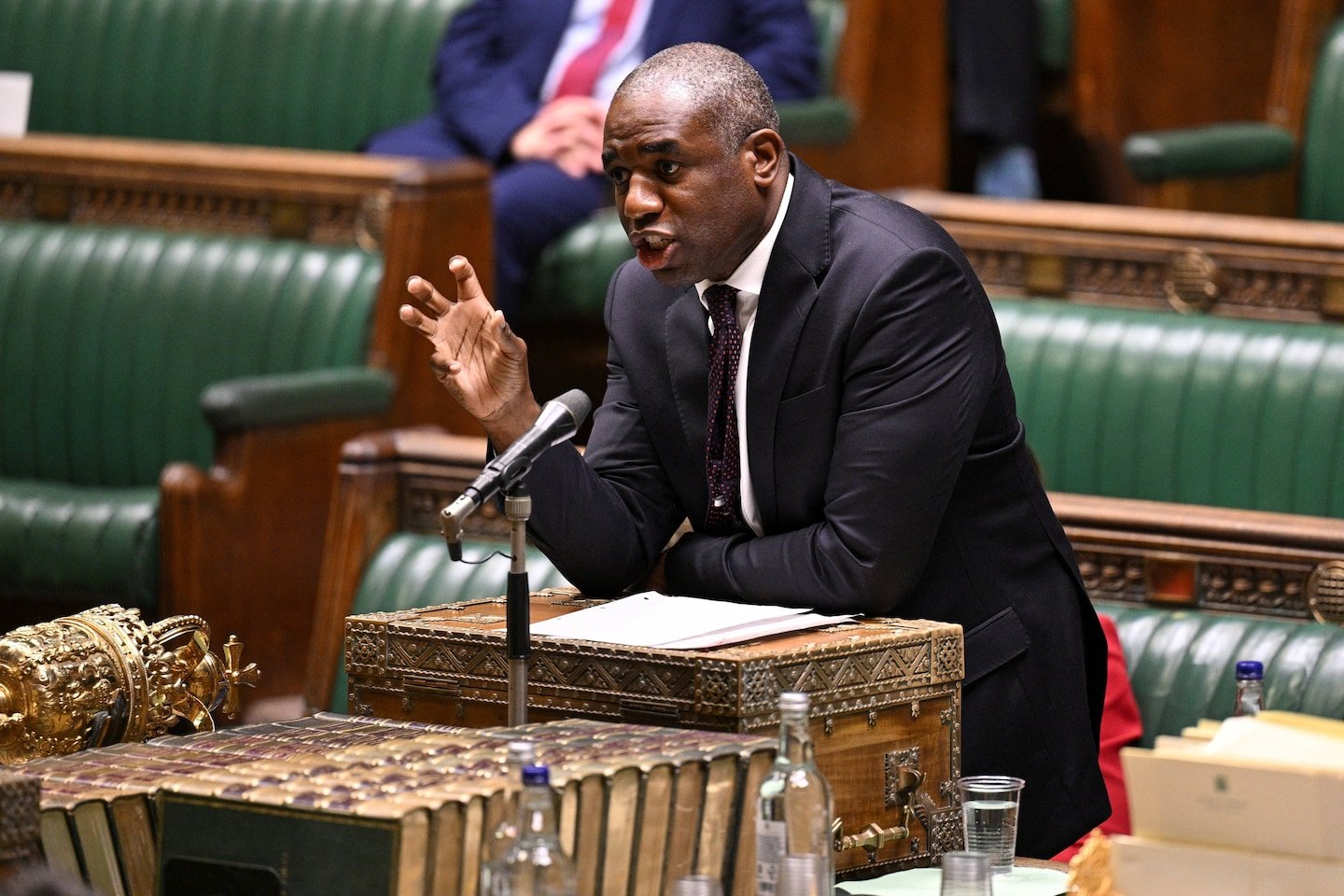
Justice Secretary David Lammy described the current backlog as an “emergency in our courts,” highlighting that nearly 80,000 cases are pending — more than double the number from before the pandemic — with delays so severe that some trials have been scheduled years in advance.
The move is intended to accelerate case processing and deliver “swifter justice” to victims and witnesses.
The reforms will also expand magistrates’ sentencing powers and establish new “swift courts” for judge-only trials.
Offences currently eligible for jury trials — including many mid-level crimes — would instead be processed without a jury, while only the most serious crimes such as murder, rape and manslaughter would retain the right to a jury verdict.
The proposal has drawn sharp criticism from major legal organisations.
The Law Society of England and Wales warned that removing jury trials for thousands of defendants marks “a dramatic departure” from core principles of justice.
The Criminal Bar Association argued that the backlog stems not from the jury system but from chronic under-funding and resource shortages.
Some opponents also warned the reforms risk undermining fairness, especially for vulnerable or minority defendants.
Yet supporters, including senior figures in the judiciary, defended the proposals as the only viable solution to avoid systemic collapse — a view echoed by a recent independent review recommending a new court tier to handle lower-level offences without juries.
The government says it will proceed with legislation in the coming months, framing the changes as essential to restore timely justice across England and Wales.
Under the reforms, cases carrying likely sentences of three years or less will be heard by a judge alone — a shift expected to reduce the number of jury trials by around 25 percent.
Justice Secretary David Lammy described the current backlog as an “emergency in our courts,” highlighting that nearly 80,000 cases are pending — more than double the number from before the pandemic — with delays so severe that some trials have been scheduled years in advance.
The move is intended to accelerate case processing and deliver “swifter justice” to victims and witnesses.
The reforms will also expand magistrates’ sentencing powers and establish new “swift courts” for judge-only trials.
Offences currently eligible for jury trials — including many mid-level crimes — would instead be processed without a jury, while only the most serious crimes such as murder, rape and manslaughter would retain the right to a jury verdict.
The proposal has drawn sharp criticism from major legal organisations.
The Law Society of England and Wales warned that removing jury trials for thousands of defendants marks “a dramatic departure” from core principles of justice.
The Criminal Bar Association argued that the backlog stems not from the jury system but from chronic under-funding and resource shortages.
Some opponents also warned the reforms risk undermining fairness, especially for vulnerable or minority defendants.
Yet supporters, including senior figures in the judiciary, defended the proposals as the only viable solution to avoid systemic collapse — a view echoed by a recent independent review recommending a new court tier to handle lower-level offences without juries.
The government says it will proceed with legislation in the coming months, framing the changes as essential to restore timely justice across England and Wales.