UK urged to expand air conditioning in schools and care homes as heat risks intensify
Climate campaigners warn that rising temperatures are exposing vulnerable institutions to unsafe heat, reigniting debate over cooling infrastructure in public buildings
A SYSTEM-DRIVEN public health and infrastructure challenge, shaped by rising baseline temperatures and repeated heat extremes, has intensified calls for the United Kingdom to urgently expand air conditioning and cooling systems in schools and care homes, where vulnerable populations are increasingly exposed to dangerous heat conditions.
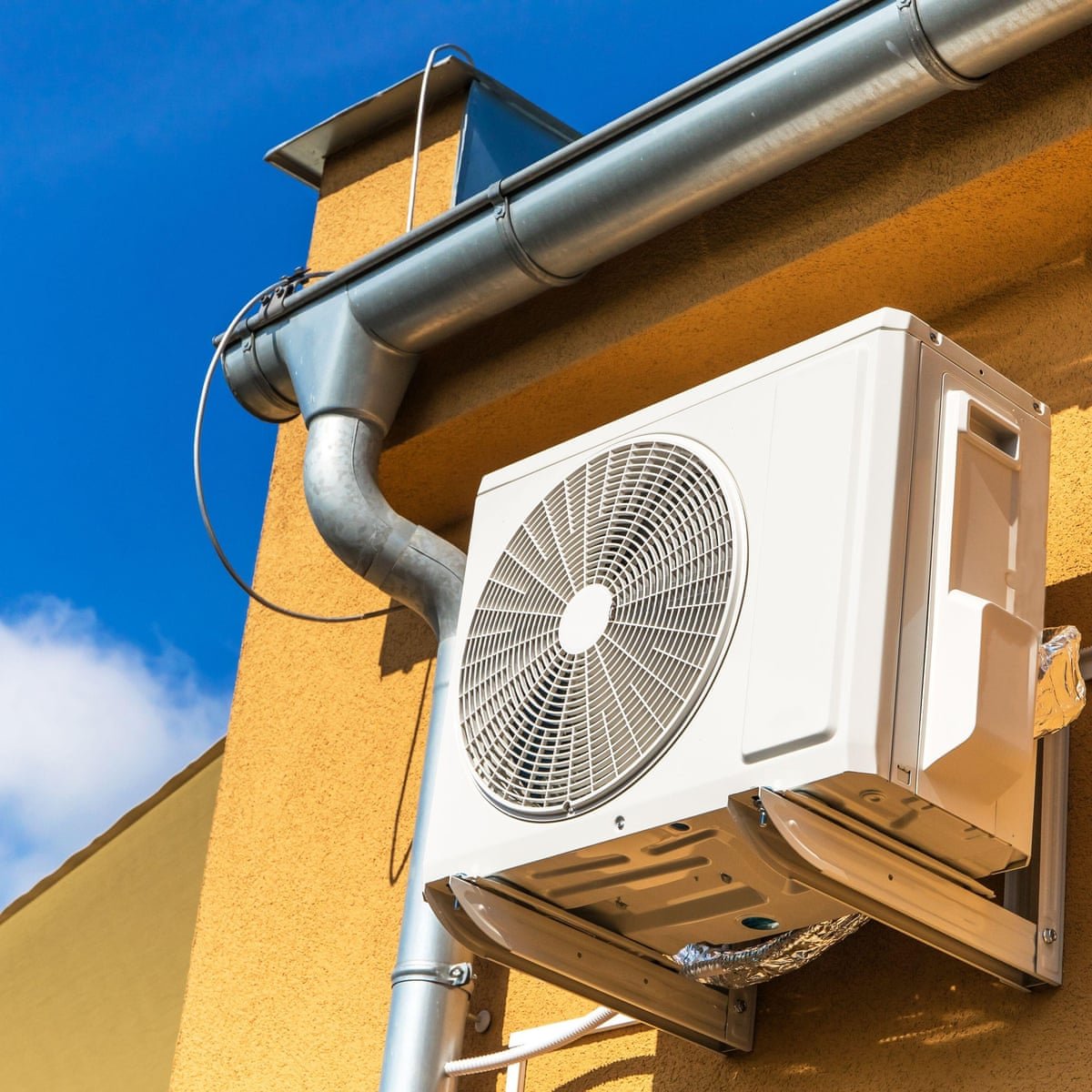
What is confirmed is that UK buildings such as schools and residential care facilities are generally designed for heat retention rather than heat dissipation, reflecting historical construction standards built for cooler climates.
Many lack fixed cooling systems, relying instead on ventilation, shading, or temporary measures during warm weather events.
As heatwaves become more frequent and intense, these design limitations are becoming more consequential.
Climate campaigners and public health advocates argue that the absence of widespread air conditioning in these settings is no longer compatible with current temperature trends.
They point to repeated episodes in recent summers where indoor temperatures in classrooms and care homes have exceeded recommended safety thresholds, creating conditions that can impair concentration, exacerbate medical conditions, and increase the risk of heat-related illness.
The issue is particularly acute in care homes, where residents are often elderly and medically vulnerable.
High indoor temperatures can accelerate dehydration, strain cardiovascular systems, and worsen chronic conditions.
In schools, excessive heat can reduce cognitive performance and increase discomfort, raising concerns about learning disruption during peak summer periods.
Infrastructure constraints are central to the debate.
Retrofitting older buildings with air conditioning requires significant investment, including electrical upgrades, insulation adjustments, and long-term maintenance planning.
Energy consumption is another major consideration, as widespread cooling adoption would increase electricity demand during already high-usage summer periods, potentially requiring grid reinforcement.
Policy discussions have also highlighted competing approaches to heat adaptation.
While air conditioning is one option, alternatives include passive cooling strategies such as improved ventilation design, reflective roofing materials, external shading, and urban greening.
Proponents of these methods argue they are more energy-efficient and sustainable, though they may be less effective during extreme heat spikes.
The broader context is a warming climate across the UK and Europe, where heatwaves are becoming more frequent and intense compared with historical averages.
This has shifted what were once rare temperature extremes into recurring public health planning challenges, particularly for institutions responsible for vulnerable populations.
The immediate implication of the campaigners’ call is renewed pressure on policymakers to define a national strategy for cooling public buildings, balancing health protection, cost, and energy sustainability while adapting infrastructure to more frequent high-temperature events.
What is confirmed is that UK buildings such as schools and residential care facilities are generally designed for heat retention rather than heat dissipation, reflecting historical construction standards built for cooler climates.
Many lack fixed cooling systems, relying instead on ventilation, shading, or temporary measures during warm weather events.
As heatwaves become more frequent and intense, these design limitations are becoming more consequential.
Climate campaigners and public health advocates argue that the absence of widespread air conditioning in these settings is no longer compatible with current temperature trends.
They point to repeated episodes in recent summers where indoor temperatures in classrooms and care homes have exceeded recommended safety thresholds, creating conditions that can impair concentration, exacerbate medical conditions, and increase the risk of heat-related illness.
The issue is particularly acute in care homes, where residents are often elderly and medically vulnerable.
High indoor temperatures can accelerate dehydration, strain cardiovascular systems, and worsen chronic conditions.
In schools, excessive heat can reduce cognitive performance and increase discomfort, raising concerns about learning disruption during peak summer periods.
Infrastructure constraints are central to the debate.
Retrofitting older buildings with air conditioning requires significant investment, including electrical upgrades, insulation adjustments, and long-term maintenance planning.
Energy consumption is another major consideration, as widespread cooling adoption would increase electricity demand during already high-usage summer periods, potentially requiring grid reinforcement.
Policy discussions have also highlighted competing approaches to heat adaptation.
While air conditioning is one option, alternatives include passive cooling strategies such as improved ventilation design, reflective roofing materials, external shading, and urban greening.
Proponents of these methods argue they are more energy-efficient and sustainable, though they may be less effective during extreme heat spikes.
The broader context is a warming climate across the UK and Europe, where heatwaves are becoming more frequent and intense compared with historical averages.
This has shifted what were once rare temperature extremes into recurring public health planning challenges, particularly for institutions responsible for vulnerable populations.
The immediate implication of the campaigners’ call is renewed pressure on policymakers to define a national strategy for cooling public buildings, balancing health protection, cost, and energy sustainability while adapting infrastructure to more frequent high-temperature events.