0:00
0:00
United Kingdom Moves to Lead International Effort to Reopen Strait of Hormuz
Coalition initiative aims to clear mines and restore vital global shipping route amid escalating Middle East tensions
The United Kingdom is preparing to lead a multinational coalition to restore safe passage through the Strait of Hormuz, following escalating disruptions to one of the world’s most critical energy corridors.
Plans for the coalition have emerged as concerns intensify over the effective closure of the narrow waterway, which carries a substantial share of global oil and gas shipments.
Recent developments, including the reported deployment of naval mines and attacks on commercial vessels, have significantly reduced traffic and heightened risks for international shipping.
British officials are coordinating with a broad group of allies, with dozens of countries expressing support for efforts to reopen the route and uphold freedom of navigation.
The initiative is expected to involve both military and technical capabilities, including mine-clearing operations, naval escorts, and enhanced maritime surveillance.
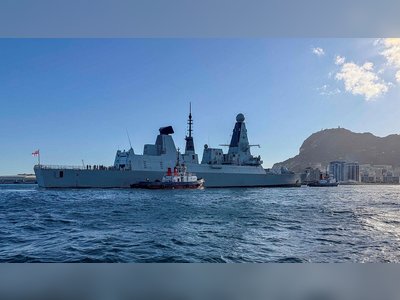
The United Kingdom is positioning itself at the center of these efforts, with discussions underway to deploy Royal Navy assets and advanced mine-countermeasure technologies.
Planning has also included coordination with international partners to ensure that operations can be conducted safely and at scale, given the complexity of the environment.
The situation in the Strait of Hormuz has rapidly escalated into a global concern.
The passage is responsible for transporting roughly a fifth of the world’s oil supply, and disruptions have already driven sharp increases in energy prices, with broader implications for inflation and economic stability worldwide.
A joint statement by multiple nations has strongly condemned attacks on commercial shipping and called for immediate action to secure the waterway.
Leaders have emphasized that maintaining open sea lanes is a fundamental principle of international law and essential to global economic security.
Despite widespread political backing, operational challenges remain.
Mine-clearing in contested waters is a technically demanding and potentially hazardous task, requiring specialized vessels and coordination across multiple forces.
In addition, some countries have expressed caution about committing military assets, reflecting the complexity of the broader geopolitical situation.
The coalition effort underscores a growing recognition that ensuring the stability of key maritime routes requires coordinated international action.
As preparations advance, attention is focused on how quickly safe passage can be restored and whether the initiative can prevent further escalation in a region already under intense strain.
Plans for the coalition have emerged as concerns intensify over the effective closure of the narrow waterway, which carries a substantial share of global oil and gas shipments.
Recent developments, including the reported deployment of naval mines and attacks on commercial vessels, have significantly reduced traffic and heightened risks for international shipping.
British officials are coordinating with a broad group of allies, with dozens of countries expressing support for efforts to reopen the route and uphold freedom of navigation.
The initiative is expected to involve both military and technical capabilities, including mine-clearing operations, naval escorts, and enhanced maritime surveillance.
The United Kingdom is positioning itself at the center of these efforts, with discussions underway to deploy Royal Navy assets and advanced mine-countermeasure technologies.
Planning has also included coordination with international partners to ensure that operations can be conducted safely and at scale, given the complexity of the environment.
The situation in the Strait of Hormuz has rapidly escalated into a global concern.
The passage is responsible for transporting roughly a fifth of the world’s oil supply, and disruptions have already driven sharp increases in energy prices, with broader implications for inflation and economic stability worldwide.
A joint statement by multiple nations has strongly condemned attacks on commercial shipping and called for immediate action to secure the waterway.
Leaders have emphasized that maintaining open sea lanes is a fundamental principle of international law and essential to global economic security.
Despite widespread political backing, operational challenges remain.
Mine-clearing in contested waters is a technically demanding and potentially hazardous task, requiring specialized vessels and coordination across multiple forces.
In addition, some countries have expressed caution about committing military assets, reflecting the complexity of the broader geopolitical situation.
The coalition effort underscores a growing recognition that ensuring the stability of key maritime routes requires coordinated international action.
As preparations advance, attention is focused on how quickly safe passage can be restored and whether the initiative can prevent further escalation in a region already under intense strain.