Unseasonal Winter Blooming in the UK Signals Impact of Climate Change on Plant Cycles
Citizen science records show hundreds of plant species flowering in mid-winter, highlighting rising temperatures and disrupted ecosystems
Hundreds of plant species were observed flowering across the United Kingdom in the depths of winter, providing what scientists describe as a visible, tangible sign of climate change at a local scale.
Data from the annual New Year’s Plant Hunt, compiled by the Botanical Society of Britain and Ireland and analysed in conjunction with Met Office temperature records, showed a remarkable surge in winter blooms in late December and early January.
A total of three hundred and ten native species were recorded in flower in early January, far exceeding the long-term expectation of approximately ten species for this period, while combined counts including non-native species reached six hundred and forty-six.
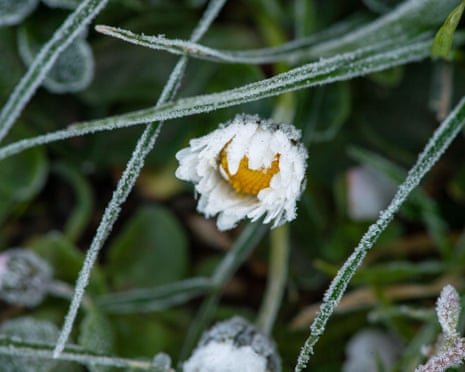
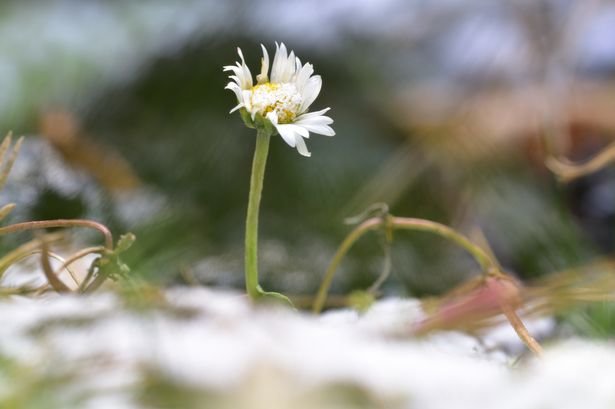
Common wildflowers such as daisies and dandelions, alongside non-native plants like Mexican fleabane and dead-nettles, were among those found in bloom during conditions that historically would have been too cold for widespread flowering.
Analysis reveals a clear relationship between winter warmth and plant phenology: for every one degree Celsius increase in mean temperature in the preceding November and December, there were on average an additional two and a half species in bloom.
The Met Office has noted that 2025 was likely the UK’s warmest year on record, a factor that scientists say has compressed seasonal cues and led to earlier and prolonged flowering behaviour.
Botanists and climate researchers emphasise that these shifts are consistent with broader patterns of rising temperatures driven by fossil fuel emissions, which have warmed the planet by roughly one point four degrees Celsius above pre-industrial levels.
Alterations in flowering timing carry potential implications for ecosystems and wildlife, as mismatches may emerge between plants, pollinators and other species that depend on synchronous seasonal cycles.
Researchers warn that such disruptions, visible even in ordinary gardens and hedgerows, represent more than botanical curiosity: they are a signal of how natural systems are responding to the rapidly changing climate, illustrating the pervasive effects of warming temperatures on phenology across the UK.
Data from the annual New Year’s Plant Hunt, compiled by the Botanical Society of Britain and Ireland and analysed in conjunction with Met Office temperature records, showed a remarkable surge in winter blooms in late December and early January.
A total of three hundred and ten native species were recorded in flower in early January, far exceeding the long-term expectation of approximately ten species for this period, while combined counts including non-native species reached six hundred and forty-six.
Common wildflowers such as daisies and dandelions, alongside non-native plants like Mexican fleabane and dead-nettles, were among those found in bloom during conditions that historically would have been too cold for widespread flowering.
Analysis reveals a clear relationship between winter warmth and plant phenology: for every one degree Celsius increase in mean temperature in the preceding November and December, there were on average an additional two and a half species in bloom.
The Met Office has noted that 2025 was likely the UK’s warmest year on record, a factor that scientists say has compressed seasonal cues and led to earlier and prolonged flowering behaviour.
Botanists and climate researchers emphasise that these shifts are consistent with broader patterns of rising temperatures driven by fossil fuel emissions, which have warmed the planet by roughly one point four degrees Celsius above pre-industrial levels.
Alterations in flowering timing carry potential implications for ecosystems and wildlife, as mismatches may emerge between plants, pollinators and other species that depend on synchronous seasonal cycles.
Researchers warn that such disruptions, visible even in ordinary gardens and hedgerows, represent more than botanical curiosity: they are a signal of how natural systems are responding to the rapidly changing climate, illustrating the pervasive effects of warming temperatures on phenology across the UK.