

US State Department ‘proposes adding China’s Ant Group (Alibaba) to trade blacklist’
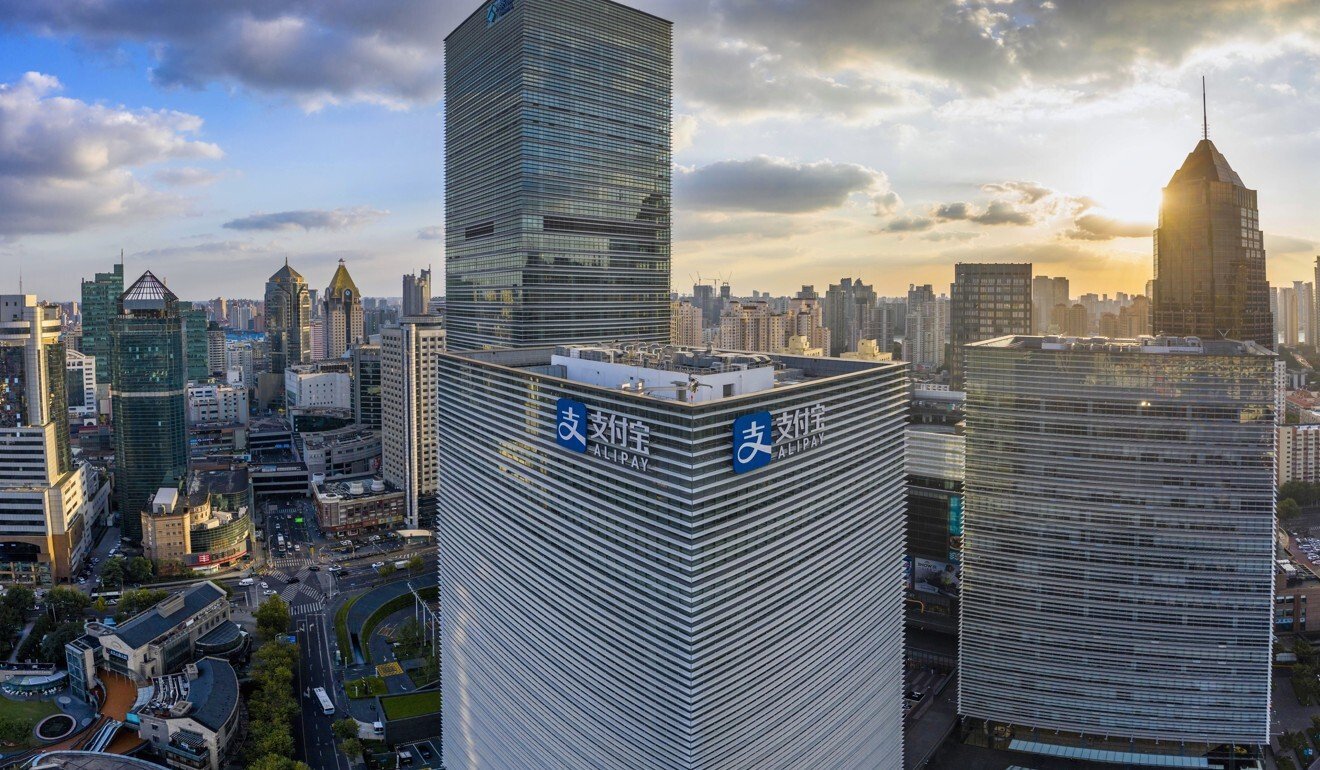
The US State Department has submitted a proposal for the Trump administration to add China’s Ant Group to a trade blacklist, according to two people familiar with the matter, before the fintech arm of e-commerce giant Alibaba is slated to go public.
It was not immediately clear when the US government agencies that decide whether to add a company to the so-called Entity List would review the matter.
But the move comes as China hardliners in the Trump administration are seeking to send a message to deter US investors from taking part in the initial public offering for Ant Group. The dual listing in Shanghai and Hong Kong could be worth up to a record US$35 billion.
The Trump officials fear US investors who buy shares in the company could be defrauded or that Ant could give the Chinese government access to sensitive banking data belonging to US citizens.
The State Department did not immediately respond to a request for comment.
The entity list, which makes it more difficult for US firms to sell hi-tech items to blacklisted companies, has become the tool of choice for the Trump administration to punish Chinese companies, though its real-world impact is sometimes questionable.
While curbing access to US technology deals a blow to companies like Chinese telecoms giant Huawei Technologies, which was added in May 2019, its impact on a fintech giant like Ant Group is likely to be more symbolic.
Ant is China’s dominant mobile payments company, offering loans, payments, insurance and asset management services via mobile apps.
Based in the eastern Chinese city of Hangzhou, Ant is 33 per cent owned by Alibaba Group Holding and controlled by Alibaba founder Jack Ma. Alibaba is the owner of the South China Morning Post.
Ant’s Alipay payment platform, like Tencent’s WeChat’s platform, is used primarily by Chinese citizens with accounts in renminbi. Most of its US interactions are with merchants accepting payment from Chinese travellers and businesses in the country.
Senator Marco Rubio, who has successfully urged the Trump administration to pursue investigations of Chinese companies, called last week for the US government to consider options to delay an initial public offering of Ant group, a sign of growing pressure to move against the company.
The End User Review Committee, which decides which companies to add to the list, includes the departments of State, Defence, Energy and Commerce. Defence and Commerce declined to comment while Energy and Ant did not immediately respond to a request for comment.
The Hong Kong leg of the IPO, part of a dual listing in Shanghai and Hong Kong, is being sponsored by China International Capital Corp, Citigroup, JPMorgan and Morgan Stanley. Credit Suisse is working as a joint global coordinator. Goldman Sachs is also involved.
However, approval for the IPO has been delayed. On Tuesday, Reuters reported that China’s securities regulator is probing a potential conflict of interest in Ant Group’s planned stock listing.











