

Video games that diagnose, monitor and treat depression developed by scientists
Scientists have developed video games using AI technology to diagnose, monitor and treat depression.
The platform, called Thymia, aims to make depression and other mental health conditions as measurable as physical ailments.
Dr Emilia Molimpakis, CEO and co-founder of Thymia, told Sky News: "Right now the existing system is flawed in many ways, GPs don't have time, the existing systems they have are subjective questionnaires that are incredibly biased and there's no follow-up between appointments.
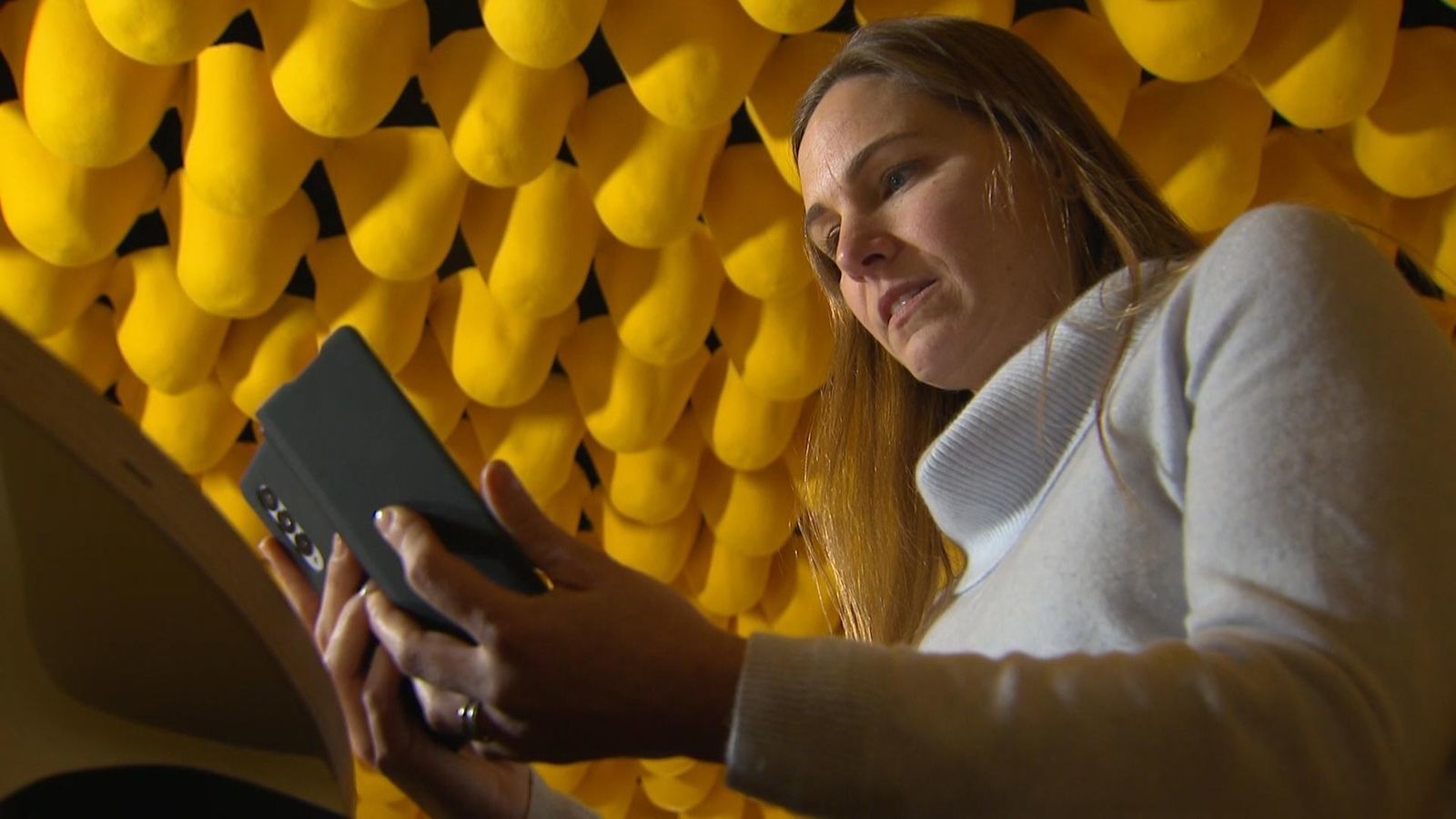 Software analyses the patient's voice, eye gaze and micro-expressions along behavioural measures
"Thymia is the first system that offers objectivity and uses several types of data in order to create a really accurate and robust model of depression."
The programme asks patients to play simple video games, with a neuropsychological underpinning, ultimately designed to measure depressive cues.
While playing the games, the software analyses the patient's voice, eye gaze and micro-expressions as well as behavioural measures including reaction times, memory and error rates.
Through this, patterns indicative of depression are picked up on, allowing a diagnosis to be made quickly.
As it is designed to monitor patients in the long-term, patients can play games in-between appointments, helping identify whether treatments are working over time.
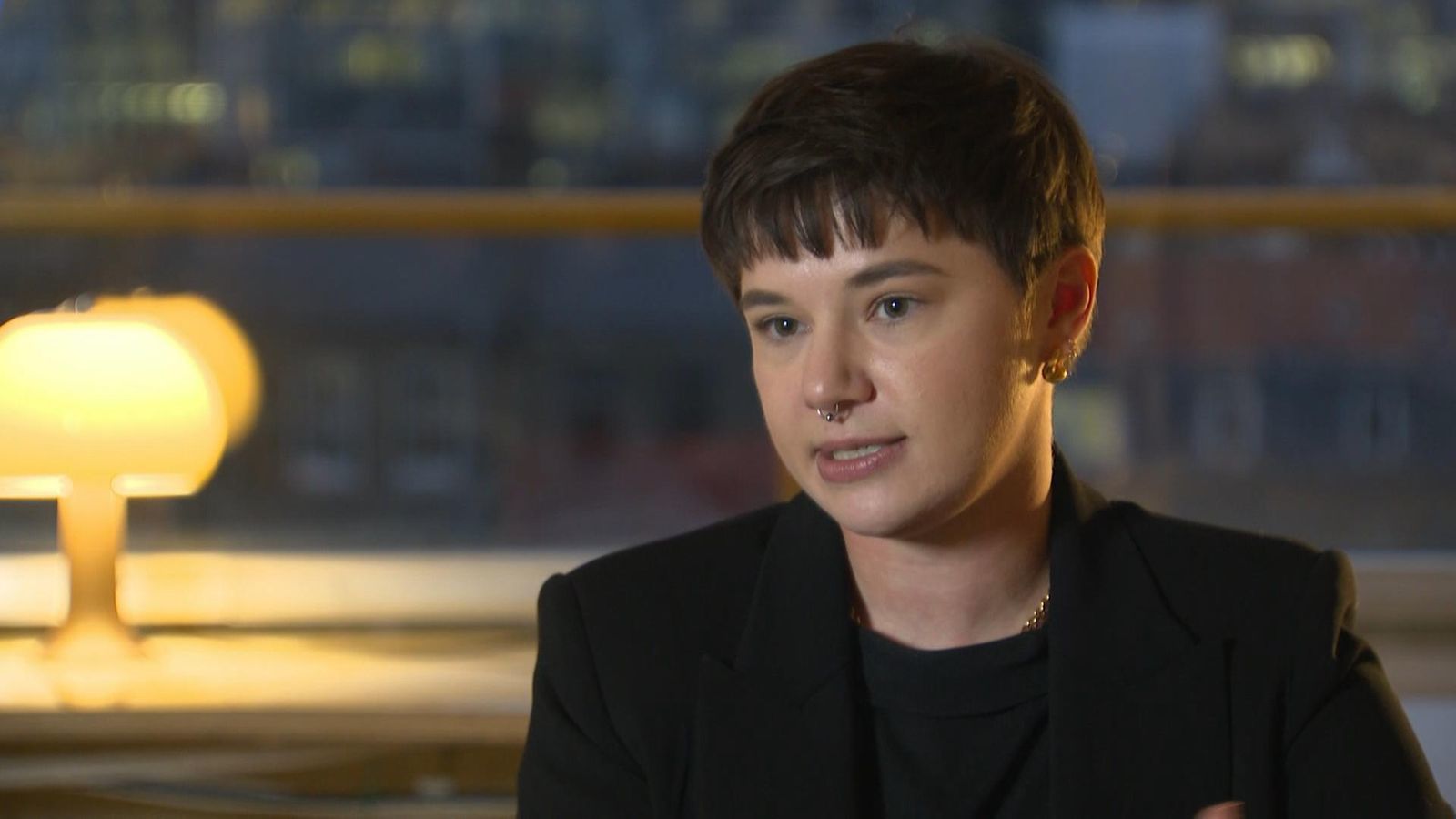 Dr Emilia Molimpakis is hopeful the Thymia programme will help clinicians achieve a diagnosis for depression much faster
Dr Molimpakis said: "What we hope to achieve is to help clinicians achieve the right diagnosis much faster - currently it takes years, we want to reduce that to weeks - and also help them find the right treatment for each individual patient."
Posy Parsons first began to experience symptoms of depression in her mid-20s.
Currently, diagnostic tools used to diagnose depression involve patients scoring their feelings - something Ms Parsons struggled with.
Already facing challenges at the time, getting a diagnosis came with its own challenges.
She told Sky News: "All the doctor receives is that one form and they've got no context of what else is going on and all the different complexities of the situation.
"You really feel like it is this quick snapshot and then they're judging and making potential huge consequences for your life based on that."
She says being able to see the objective measurements of depression would "help recognise that it's a real thing" - and would help her keep track of her own mental wellbeing.
Thymia has been trialled by around 2,000 patients at University College London and King's College London, with clinical trials beginning later this year.
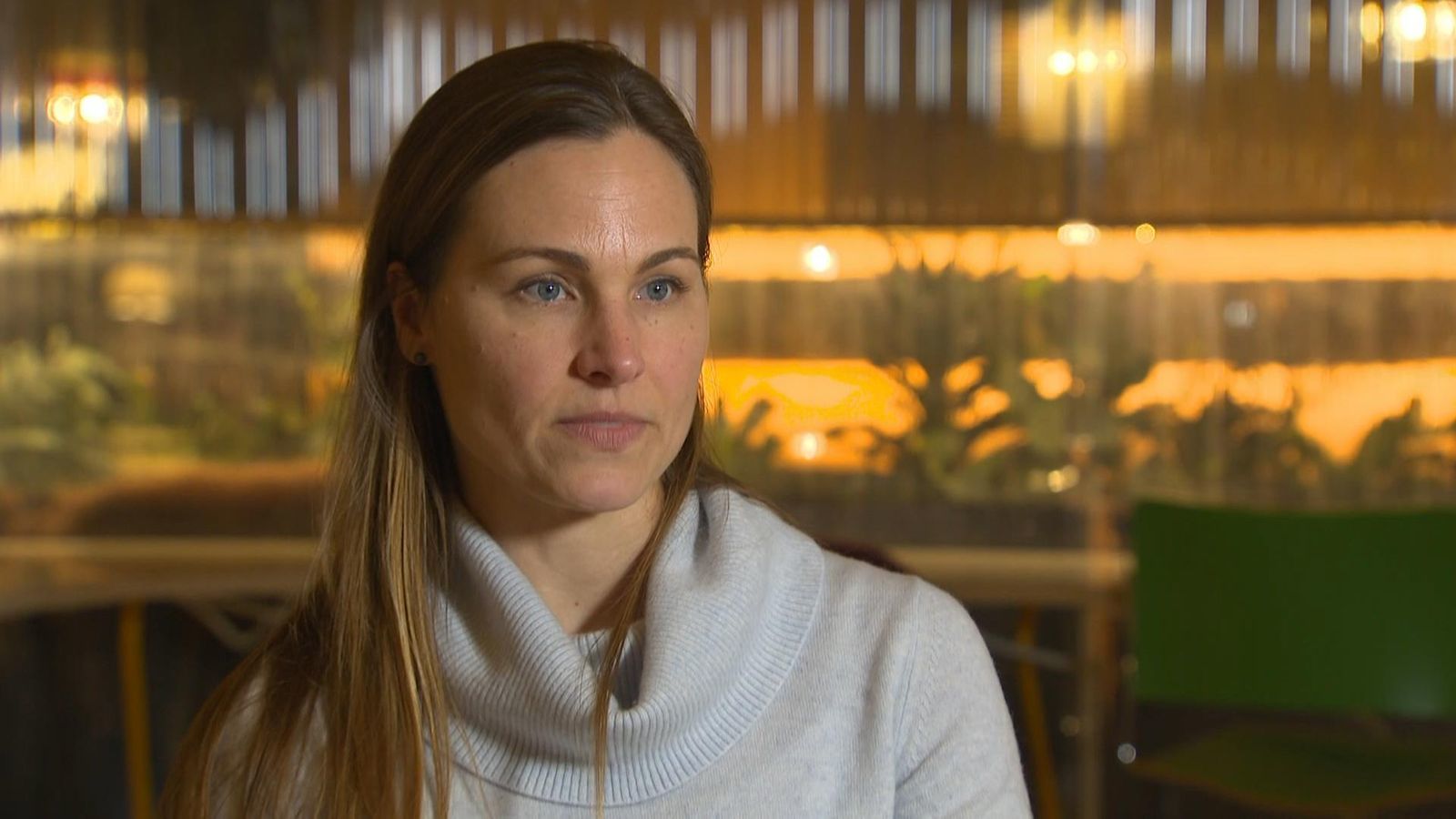 Posy Parsons says seeing objective measurements of depression would be helpful
But there is concern over whether the technology will have the desired effect, with some saying the root of the problem needs to be the primary focus.
Dr Lucy Johnstone, a consultant clinical psychologist, told Sky News: "It's a fair point to say we're not very good at picking up, or understanding or supporting people who are feeling depressed.
"I'm just not sure this is the answer.
"A quick check list is not going to tell you a great deal but nor is sitting down through a video game of some sort that looks at your eye gaze.
"I actually think as a psychologist what we need to find out more is the reasons people are feeling the way they are.
"We actually know a lot about the life circumstances that lead people to become depressed.
"We actually need a human being sitting down and asking you more about those events in your lives, that's actually what's going to help us understand people better."











