

WHO Covid report leaves many stones unturned
What the 120-page report does make clear is that the WHO team was not able to get a clear picture of the crucial weeks and months before early December 2019, when the first known Covid cases were reported here in Wuhan.
A lack of access to blood samples from donors in the city and swab samples from adults, in particular, stands out. As does the lack of access to samples of frozen food, from domestic suppliers, sold at Huanan wholesale market - the place where a significant cluster of the first cases emerged. There are other less significant, but still notable, revelations. Some we already knew about. Some we didn't.
An increase in the number of flu-like illnesses needs re-examining to see if there are signs of the Covid-19 outbreak. Stringent case definitions early on in the outbreak and changing edicts on case reporting may have made it less likely that milder early cases - crucial to investigating the spread - could be identified.
The WHO team says its inability to examine blood samples from people who gave blood in Wuhan in the weeks, months, and years before the outbreak denied the team evidence of "great added value". Officials from Wuhan Blood Centre gave a presentation but no samples were made available. The WHO report recommends antibody testing on blood donor samples from the last three months of 2019, with regulatory and ethical "approval". It says no conclusion can be made about Covid-19 causing flu-like illnesses in adults in December 2019.
Swab samples from adults from the last three weeks of December were not available either. Therefore no conclusions can be made about Covid-19 causing flu like illnesses in those weeks, the WHO said.
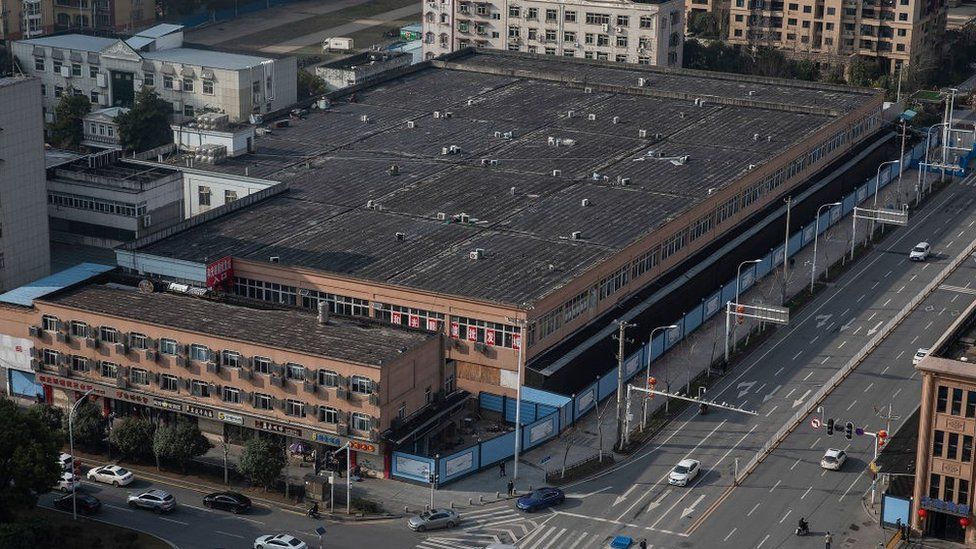
In the now infamous Huanan market, Covid-19 traces were found on numerous surfaces. But there was no evidence of the disease in animal products collected from the stalls in early January 2020. Nor from suppliers. China has repeatedly emphasised the possibility of contamination - even origin - through cold chain supply. Just over 1,000 samples of imported frozen foreign goods on sale at the time, which were still in stock, were tested. All were negative. The report says no domestic supplies were available.
The challenge of tracing early mild cases, particularly with a disease which we now know can be asymptotic, is not unique to China. But the report highlights how case definition - and the administrative delays when reporting rules change - have a "major impact" on the number and type of cases identified.
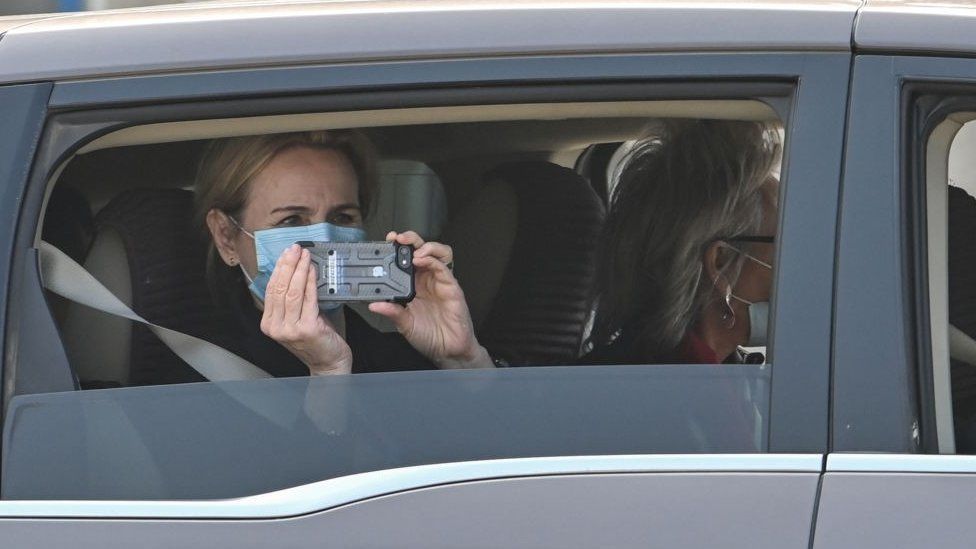
The team notes the small number of cases - just 92 from more than 76,000 - that were reviewed by China's health authorities because they matched some of the Covid-19 criteria. All 92 subsequently tested negative in serological testing. A method the report says is not reliable after a long period of time.
This final observation may be nothing. But it stands out. Some in China have claimed the World Military Games in Wuhan, in the weeks before the outbreak, was when foreigners taking part could've imported the virus. The WHO team asked for information on "mass gatherings in Wuhan in late 2019". Chinese authorities provided information on "international gatherings" held in Wuhan in that time.
Five participants were treated, on site, for serious illnesses, according to the records. None had serious respiratory diseases, and there was no sign of clusters of fever. But the WHO report says the data from the clinics which treated the participants has not been evaluated by the joint team.











