0:00
0:00
Why Britain Has Become Involved in the US-Israel Military Campaign Against Iran
Strategic alliances, military infrastructure and regional security commitments explain the United Kingdom’s role in the expanding Middle East conflict
The United Kingdom has become indirectly involved in the military campaign led by the United States and Israel against Iran, reflecting the country’s long-standing alliances, regional security commitments and the strategic role of British military infrastructure.
The conflict escalated after coordinated American and Israeli strikes targeted Iranian military and nuclear-related facilities, part of an effort by the two allies to counter what they describe as growing security threats across the Middle East.
Israel has framed the campaign as a defensive response aimed at preventing further attacks and limiting Iran’s ability to destabilise the region.
Britain has not participated in the initial offensive strikes.
However, its role has drawn attention because the United States has used British territory and facilities as part of the wider operational network supporting the campaign.
A central element of that involvement is the Royal Air Force base at RAF Akrotiri in Cyprus, a key British overseas installation in the eastern Mediterranean.
The base has long served as a hub for surveillance, reconnaissance and logistical missions across the Middle East.
During the current crisis, the facility has been used to support air operations and intelligence gathering linked to the unfolding conflict.
British authorities have confirmed that the United Kingdom continues to provide logistical and defensive support to its allies.
This includes hosting American aircraft, assisting with intelligence coordination and helping maintain regional stability through naval and air deployments.
The UK government has emphasised that its involvement remains focused on defensive measures and alliance obligations rather than direct participation in offensive operations.
Officials say Britain’s approach reflects its commitment to international law and the need to protect its forces, citizens and regional partners.
Britain’s role also reflects the broader security framework that links Western allies.
The United States and the United Kingdom share one of the closest military relationships in the world, with deeply integrated intelligence networks, joint command structures and shared operational planning.
In addition to its alliance with Washington, Britain maintains strong security ties with Israel and several Gulf states.
These relationships have shaped London’s response to the crisis, particularly as regional tensions threaten global energy markets, maritime trade routes and the safety of international shipping.
British military assets in the region have also been placed on heightened readiness as the situation develops.
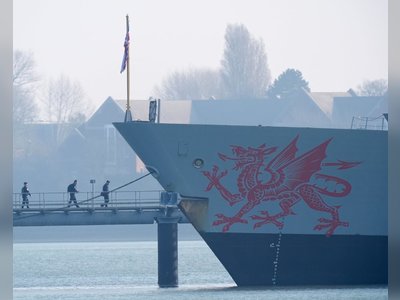
Warships and aircraft have been deployed to protect shipping lanes, support evacuations and contribute to defensive operations designed to prevent further escalation.
While political debate continues in London over the extent of Britain’s involvement, the country’s strategic alliances, overseas bases and regional responsibilities mean it is closely connected to the unfolding conflict even without participating directly in the strikes themselves.
The conflict escalated after coordinated American and Israeli strikes targeted Iranian military and nuclear-related facilities, part of an effort by the two allies to counter what they describe as growing security threats across the Middle East.
Israel has framed the campaign as a defensive response aimed at preventing further attacks and limiting Iran’s ability to destabilise the region.
Britain has not participated in the initial offensive strikes.
However, its role has drawn attention because the United States has used British territory and facilities as part of the wider operational network supporting the campaign.
A central element of that involvement is the Royal Air Force base at RAF Akrotiri in Cyprus, a key British overseas installation in the eastern Mediterranean.
The base has long served as a hub for surveillance, reconnaissance and logistical missions across the Middle East.
During the current crisis, the facility has been used to support air operations and intelligence gathering linked to the unfolding conflict.
British authorities have confirmed that the United Kingdom continues to provide logistical and defensive support to its allies.
This includes hosting American aircraft, assisting with intelligence coordination and helping maintain regional stability through naval and air deployments.
The UK government has emphasised that its involvement remains focused on defensive measures and alliance obligations rather than direct participation in offensive operations.
Officials say Britain’s approach reflects its commitment to international law and the need to protect its forces, citizens and regional partners.
Britain’s role also reflects the broader security framework that links Western allies.
The United States and the United Kingdom share one of the closest military relationships in the world, with deeply integrated intelligence networks, joint command structures and shared operational planning.
In addition to its alliance with Washington, Britain maintains strong security ties with Israel and several Gulf states.
These relationships have shaped London’s response to the crisis, particularly as regional tensions threaten global energy markets, maritime trade routes and the safety of international shipping.
British military assets in the region have also been placed on heightened readiness as the situation develops.
Warships and aircraft have been deployed to protect shipping lanes, support evacuations and contribute to defensive operations designed to prevent further escalation.
While political debate continues in London over the extent of Britain’s involvement, the country’s strategic alliances, overseas bases and regional responsibilities mean it is closely connected to the unfolding conflict even without participating directly in the strikes themselves.