
Court Hears Allegations of Iranian-Linked Attack on Journalist in London
UK prosecutors say men accused of stabbing were working on behalf of Iran, raising concerns over state-linked violence on British soil
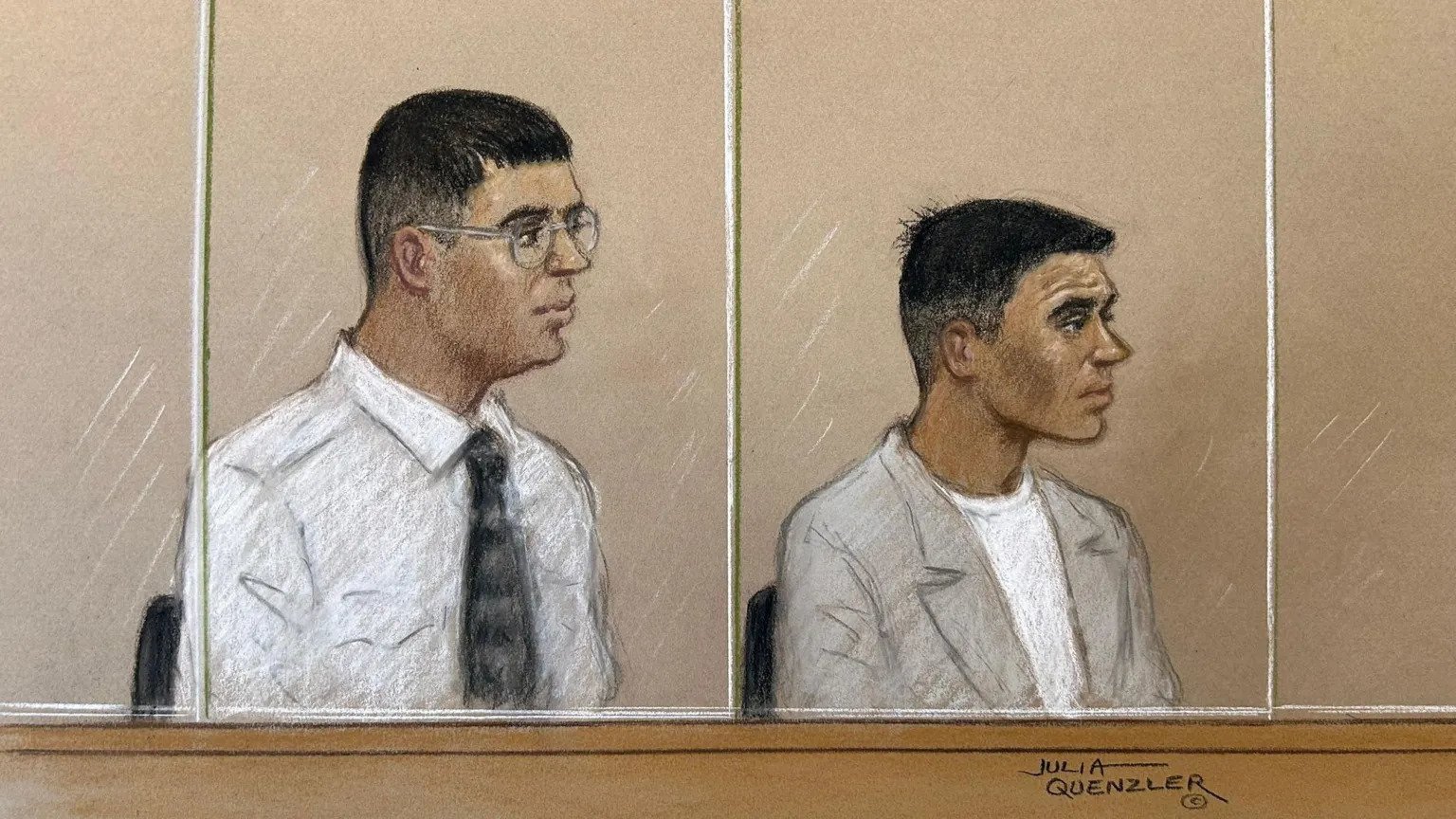
A London court has heard allegations that two men involved in the stabbing of a journalist in the United Kingdom were acting on behalf of Iran, marking a case that places alleged foreign state-directed violence under direct judicial scrutiny.
What is confirmed is that the matter is being examined in a criminal proceeding in which the prosecution has linked the accused individuals to Iranian direction or influence.
These claims have been presented as part of the case against the defendants and have not been established as fact by a final verdict.
The incident at the centre of the case involves an attack on a journalist in London, an event that has intensified scrutiny over the risks faced by media figures and dissidents living in exile.
Prosecutors have argued that the assault was not an isolated act of street violence, but part of a broader pattern of intimidation allegedly tied to a foreign state.
The defence position, as is standard in such proceedings, challenges the prosecution’s account, and the court will ultimately determine whether the evidence meets the legal threshold for conviction.
The key issue in the case is the allegation of state-linked direction.
If proven, it would represent one of the more serious examples of foreign intelligence-linked activity being carried out through proxy actors on UK territory.
Such cases are treated with particular gravity because they raise questions about sovereignty, national security, and the ability of hostile states to project coercive power beyond their borders.
The broader context is an already strained relationship between the United Kingdom and Iran, shaped by long-standing disputes over security, political influence, and alleged covert operations abroad.
British authorities have previously warned of threats against journalists, activists, and dissidents connected to Iranian opposition movements.
The current case is being examined within that wider security framework, though the court process focuses narrowly on the specific acts and intent of the accused individuals.
If the prosecution’s claims are upheld, the case would add to growing concerns among Western governments about the use of criminal proxies for political violence abroad.
It would also likely intensify pressure on law enforcement and intelligence agencies to expand protective measures for high-risk individuals living in the UK. The outcome of the trial will determine whether the allegations translate into criminal responsibility and how the legal system defines the boundaries of state-linked coercion conducted through non-state actors.
What is confirmed is that the matter is being examined in a criminal proceeding in which the prosecution has linked the accused individuals to Iranian direction or influence.
These claims have been presented as part of the case against the defendants and have not been established as fact by a final verdict.
The incident at the centre of the case involves an attack on a journalist in London, an event that has intensified scrutiny over the risks faced by media figures and dissidents living in exile.
Prosecutors have argued that the assault was not an isolated act of street violence, but part of a broader pattern of intimidation allegedly tied to a foreign state.
The defence position, as is standard in such proceedings, challenges the prosecution’s account, and the court will ultimately determine whether the evidence meets the legal threshold for conviction.
The key issue in the case is the allegation of state-linked direction.
If proven, it would represent one of the more serious examples of foreign intelligence-linked activity being carried out through proxy actors on UK territory.
Such cases are treated with particular gravity because they raise questions about sovereignty, national security, and the ability of hostile states to project coercive power beyond their borders.
The broader context is an already strained relationship between the United Kingdom and Iran, shaped by long-standing disputes over security, political influence, and alleged covert operations abroad.
British authorities have previously warned of threats against journalists, activists, and dissidents connected to Iranian opposition movements.
The current case is being examined within that wider security framework, though the court process focuses narrowly on the specific acts and intent of the accused individuals.
If the prosecution’s claims are upheld, the case would add to growing concerns among Western governments about the use of criminal proxies for political violence abroad.
It would also likely intensify pressure on law enforcement and intelligence agencies to expand protective measures for high-risk individuals living in the UK. The outcome of the trial will determine whether the allegations translate into criminal responsibility and how the legal system defines the boundaries of state-linked coercion conducted through non-state actors.