
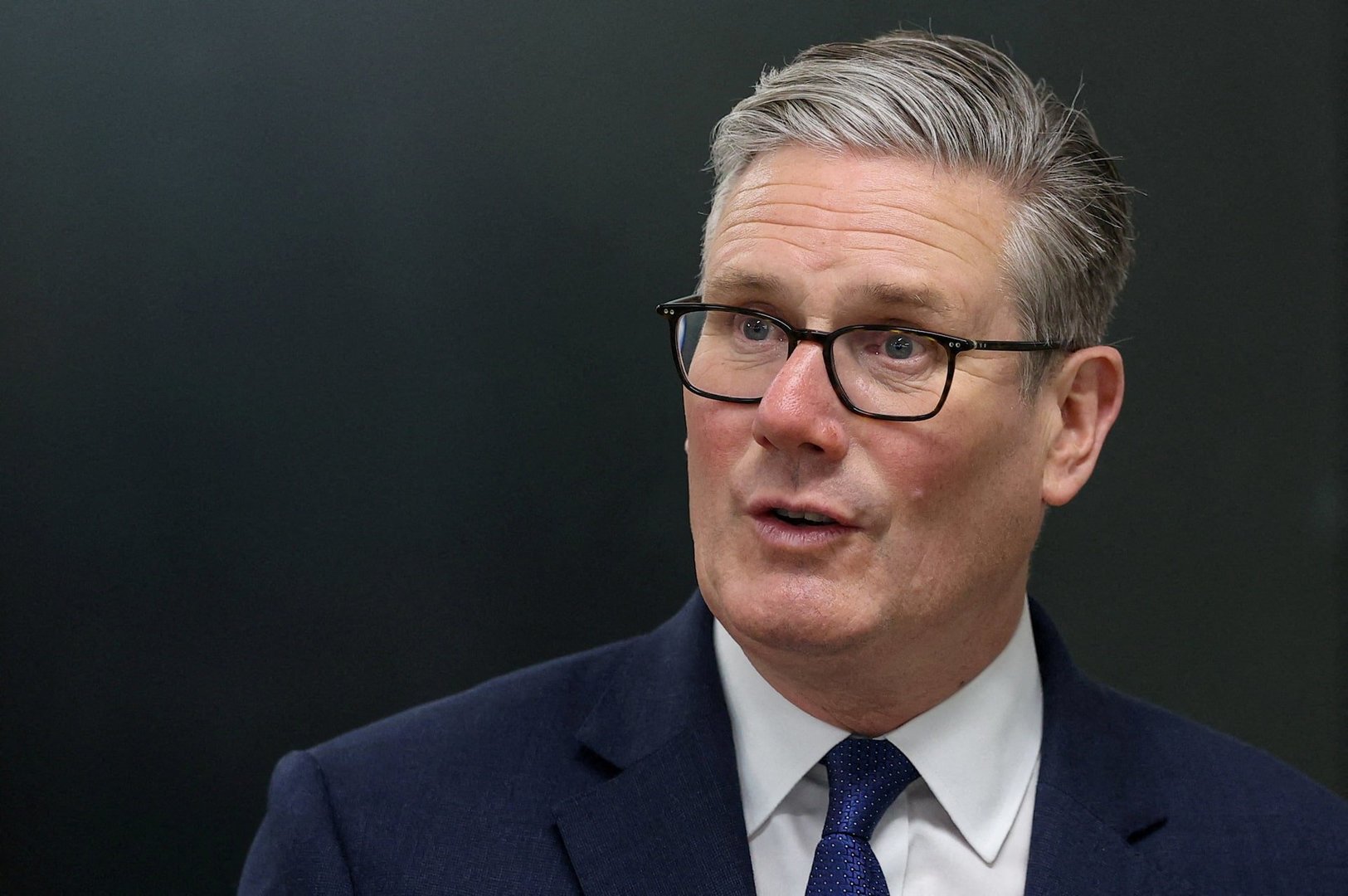
Starmer Reasserts Leadership Control as UK Political Pressure Intensifies
Prime minister insists his leadership will continue amid rising speculation, internal party strain, and scrutiny over government performance
ACTOR-DRIVEN political pressure within the United Kingdom government has intensified after Prime Minister Keir Starmer publicly asserted that his time as leader is not over, in response to growing speculation about his political standing.
The statement reflects a broader effort to stabilise authority at the top of government during a period of heightened scrutiny over leadership performance, party cohesion, and policy delivery.
The immediate driver of the situation is internal political uncertainty within the governing structure, where perceptions of leadership strength directly influence parliamentary discipline, cabinet confidence, and the government’s ability to advance its legislative agenda.
In Westminster systems, leadership authority is not solely determined by formal election outcomes but by sustained confidence among party members, making public affirmations of control politically significant.
Starmer’s comments are intended to reinforce continuity at a time when political narratives around leadership stability can rapidly translate into market uncertainty, legislative hesitation, and internal recalibration among lawmakers.
Even without a formal challenge, repeated speculation about a leader’s position can alter decision-making behaviour across government institutions, as ministers and MPs assess future political scenarios.
What is confirmed in such periods is the practical effect on governance.
Policy announcements tend to be framed more defensively, with increased emphasis on party unity and procedural control.
Legislative priorities may be adjusted to reduce internal friction, and strategic communication becomes focused on reaffirming authority rather than expanding policy scope.
The stakes extend beyond party politics.
Political instability at the top of government can affect investor confidence, particularly in areas tied to fiscal policy, taxation, and long-term regulatory planning.
Businesses and public institutions rely on predictable governance signals, and leadership uncertainty can temporarily weaken that predictability even if formal policy direction remains unchanged.
Within the Labour Party, maintaining cohesion is central to sustaining governing authority.
Any perception of division can amplify external pressure and complicate the passage of legislation in a parliamentary system where majority control depends on disciplined voting blocs.
This dynamic increases the importance of public statements aimed at reinforcing leadership stability.
Opposition parties are likely to exploit any perception of weakness to increase parliamentary pressure and shape media narratives around government performance.
This can accelerate political cycles in which each policy decision is evaluated not only on its substance but also on its impact on leadership credibility.
The immediate consequence of Starmer’s intervention is a renewed attempt to close down speculation and reassert control over the political narrative.
The government now enters a phase where leadership authority and policy execution are tightly linked, and where maintaining internal unity becomes a central requirement for sustained governance effectiveness.
The statement reflects a broader effort to stabilise authority at the top of government during a period of heightened scrutiny over leadership performance, party cohesion, and policy delivery.
The immediate driver of the situation is internal political uncertainty within the governing structure, where perceptions of leadership strength directly influence parliamentary discipline, cabinet confidence, and the government’s ability to advance its legislative agenda.
In Westminster systems, leadership authority is not solely determined by formal election outcomes but by sustained confidence among party members, making public affirmations of control politically significant.
Starmer’s comments are intended to reinforce continuity at a time when political narratives around leadership stability can rapidly translate into market uncertainty, legislative hesitation, and internal recalibration among lawmakers.
Even without a formal challenge, repeated speculation about a leader’s position can alter decision-making behaviour across government institutions, as ministers and MPs assess future political scenarios.
What is confirmed in such periods is the practical effect on governance.
Policy announcements tend to be framed more defensively, with increased emphasis on party unity and procedural control.
Legislative priorities may be adjusted to reduce internal friction, and strategic communication becomes focused on reaffirming authority rather than expanding policy scope.
The stakes extend beyond party politics.
Political instability at the top of government can affect investor confidence, particularly in areas tied to fiscal policy, taxation, and long-term regulatory planning.
Businesses and public institutions rely on predictable governance signals, and leadership uncertainty can temporarily weaken that predictability even if formal policy direction remains unchanged.
Within the Labour Party, maintaining cohesion is central to sustaining governing authority.
Any perception of division can amplify external pressure and complicate the passage of legislation in a parliamentary system where majority control depends on disciplined voting blocs.
This dynamic increases the importance of public statements aimed at reinforcing leadership stability.
Opposition parties are likely to exploit any perception of weakness to increase parliamentary pressure and shape media narratives around government performance.
This can accelerate political cycles in which each policy decision is evaluated not only on its substance but also on its impact on leadership credibility.
The immediate consequence of Starmer’s intervention is a renewed attempt to close down speculation and reassert control over the political narrative.
The government now enters a phase where leadership authority and policy execution are tightly linked, and where maintaining internal unity becomes a central requirement for sustained governance effectiveness.