

COVID-19: What are Europe's Christmas coronavirus rules?
Some European countries are tightening restrictions over the coming weeks - while others are relaxing them for Christmas.
In many nations, coronavirus cases are rising again after dipping at the end of November.
These are the COVID-19 restrictions and Christmas rules around the continent:
The Netherlands
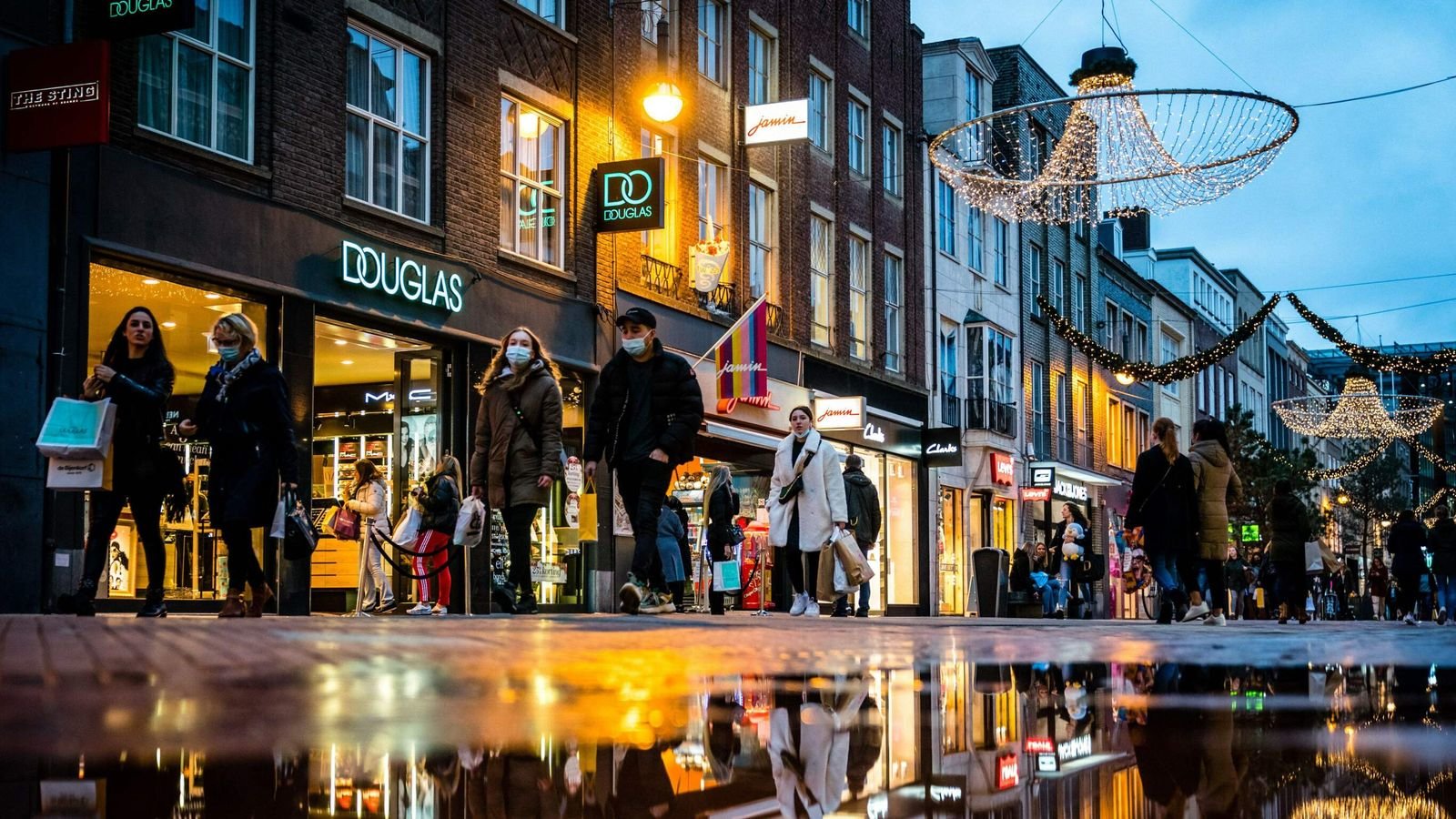
A second lockdown starts on Tuesday for at least five weeks.
Dutch households will not be allowed to have more than two visitors over the age of 13, and all public places, including hairdressers and day care centres, will close until 19 January.
Schools will close until 18 January and people have been advised to stay at home, not travel to work and avoid contact with others as much as possible.
From 24 until 26 December, households will be allowed three visitors.
Czech Republic
Restaurants, hotels and indoor sports venues, which reopened barely two weeks before, will close again from Friday.
Public gatherings will be limited to six people indoors and out, instead of the current 10 indoors and 50 outdoors, with a nationwide curfew from 11pm to 5am.
Schools will also close early for Christmas, although shops will remain open.
Germany
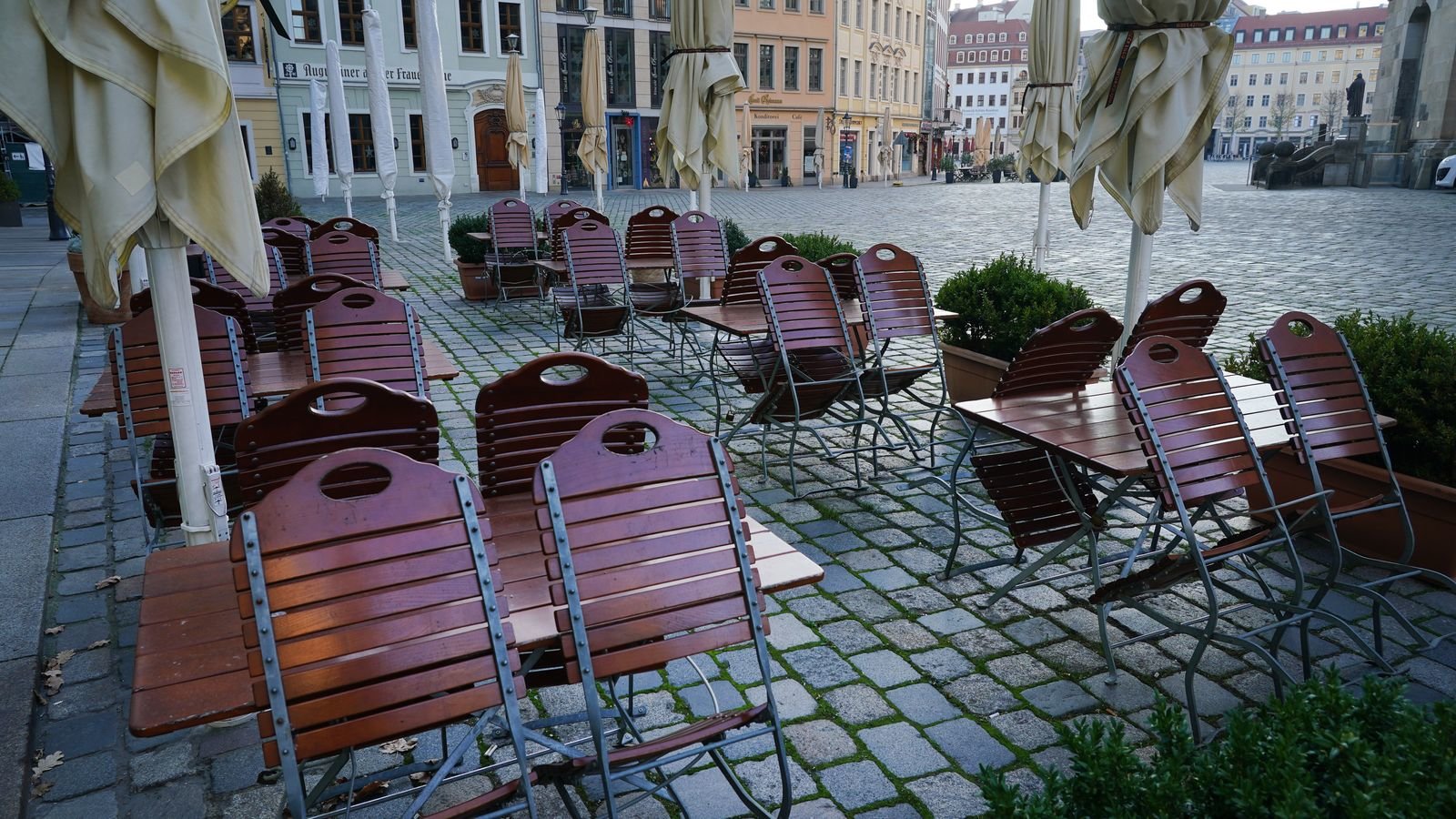
A hard lockdown in Germany begins on Wednesday, with schools and non-essential shops to be closed throughout Christmas and the new year.
Germany has been under a light lockdown since the beginning of November, with bars, restaurants and tourist attractions closed, but shopping and education allowed.
Chancellor Angela Merkel has blamed Christmas shopping for a "considerable" rise in social contacts.
The new restrictions will last until 10 January but will be relaxed slightly from 24 to 26 December, with a five-person limit - but Ms Merkel recommended a week of self-isolation before.
Drinking will be banned in public and firework sales will be prohibited before New Year's Eve, while religious gatherings will be allowed but only if people remain 1.5m apart and do not sing.
France
A six-week ban on movement was lifted on Tuesday but President Emmanuel Macron imposed an 8pm-6am curfew until mid-January, apart from Christmas Eve, as France suffered Europe's highest number of cases.
Museums, theatres and cinemas will be closed until January at least, as will restaurants, bars and cafes.
A maximum of six adults and any number of children are allowed in homes.
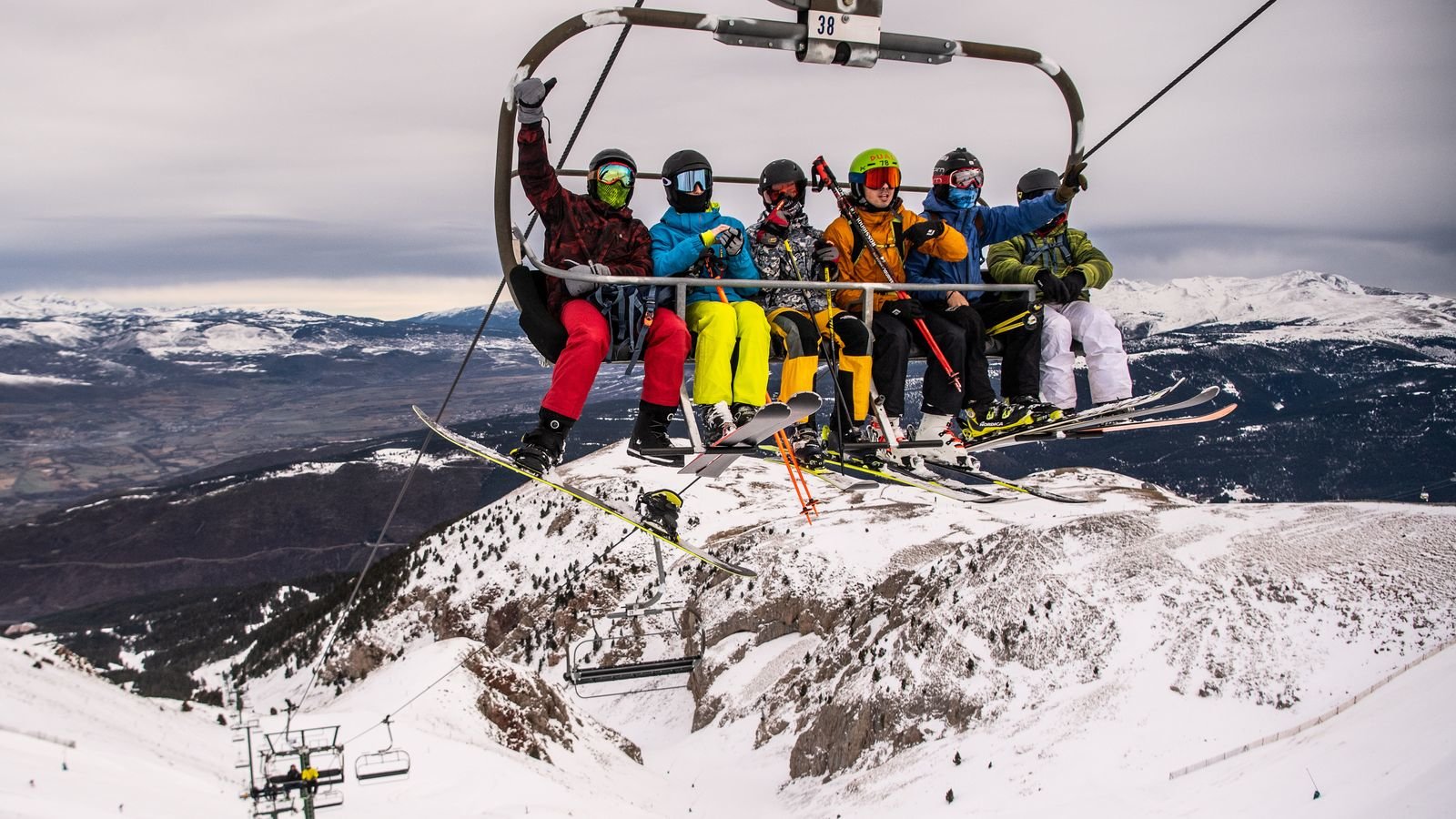
French ski resorts will remain closed and be allowed to reopen in January "under favourable conditions".
Spain
From 23 December to 6 January travel between Spain's regions will be allowed, but only to visit friends and family.
Social gatherings on Christmas Eve, Christmas Day, New Year's Eve and New Year's Day will be limited to 10 people - including children.
Curfews, which currently range from 10pm to midnight depending on the region, will be pushed back to 1.30am on Christmas Eve and New Year's Eve.
Regional governments will have the power to toughen these rules, while some will have to open their borders after having closed them.
The Canary and Balearic Islands will allow free movement.
Italy
A ban on travelling between different regions is in place from 21 December to 6 January and people will not be allowed to leave their hometowns on Christmas Day, Boxing Day and New Year's Day.
The current 10pm-5am curfew will remain, meaning traditional midnight mass will not be able to happen, although churches can remain open.
Prime Minister Giuseppe Conte told Italians to expect a "more sober Christmas, without Christmas Eve gatherings, hugs and kisses".
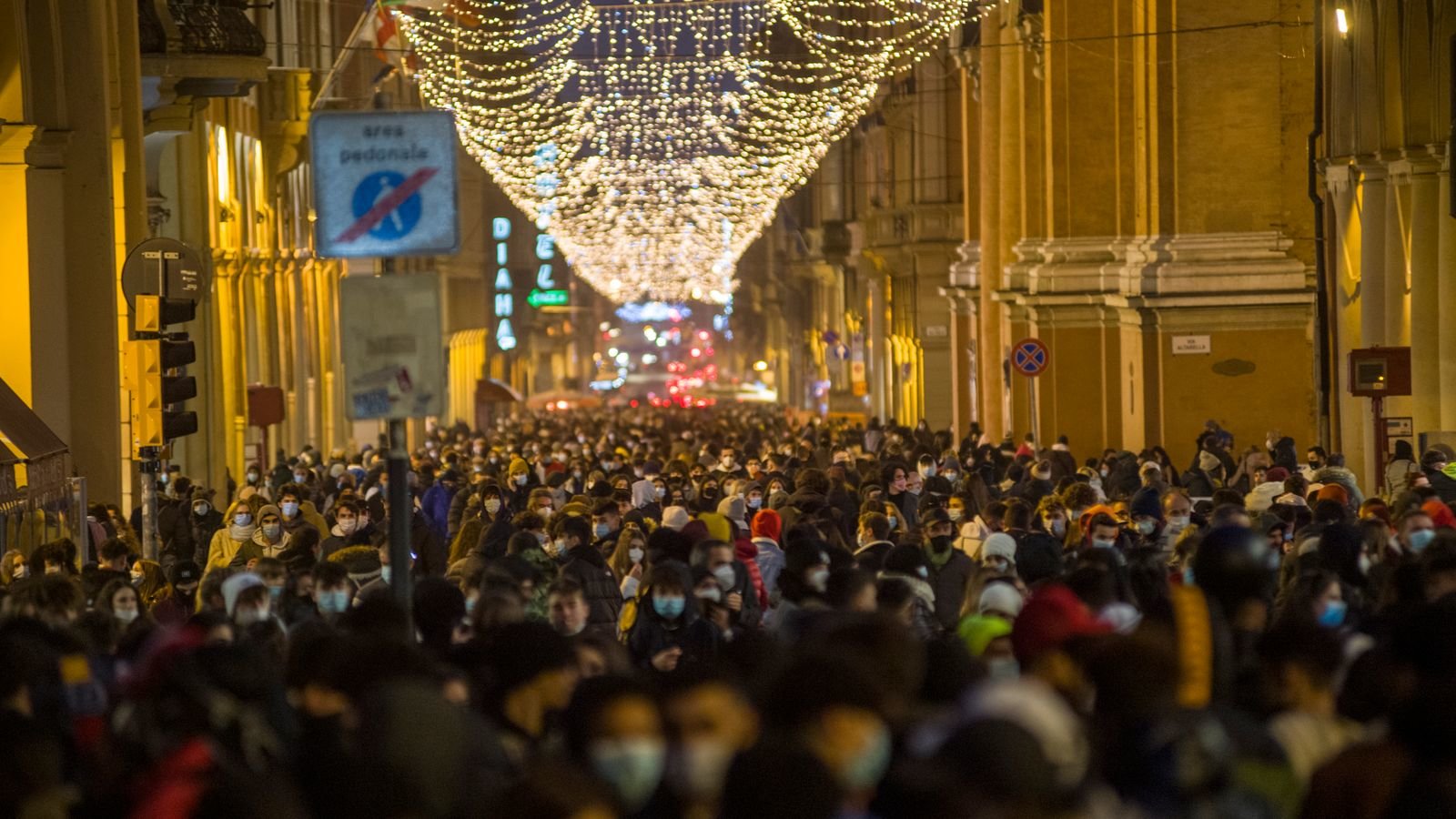
Rome is expected to impose a "red zone" lockdown from Christmas Eve until at least 2 January, with night curfews extended, bans on non-essential movement and non-essential shops to close.
Italy is experiencing its highest number of deaths since the end of March, bringing the total to 65,000.
Austria
Restrictions have been eased ahead of Christmas after Austria came out of its second national lockdown on 7 December.
A curfew has been introduced between 8pm and 6am and non-essential shops and other businesses have reopened.
Restaurants and bars will remain closed over the Christmas period for everything but takeaways.
Hotels are only open to business travellers and people visiting from countries with more than 100 cases per 100,000 people will have to quarantine for 10 days.
Portugal
Rules will be eased over the Christmas season to allow people to visit their friends and family but measures will be reimposed ahead of New Year's Eve.
A 10-person gathering limit will be lifted entirely for Christmas and the curfew will be pushed from 11pm to 2am on 24 and 25 December.











