
Data Centres Now Consume Up to Six Percent of Electricity in UK and US, Intensifying Energy Strain
New analysis highlights the rapid rise of AI-driven computing demand and its growing impact on power grids, pricing, and infrastructure planning
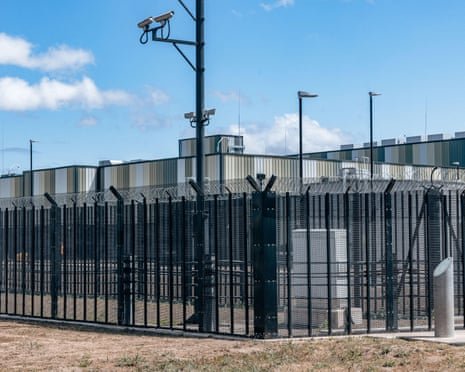
SYSTEM-DRIVEN factors are reshaping national electricity demand in both the United Kingdom and the United States as data centres, the physical infrastructure that powers cloud computing and artificial intelligence, now account for roughly six percent of total electricity consumption in both countries, according to recent research estimates.
What is confirmed is that electricity demand from large-scale computing facilities has risen sharply over the past decade, driven by the expansion of cloud services, streaming platforms, and most recently generative artificial intelligence systems.
Data centres operate continuously, requiring large volumes of electricity not only for computing hardware but also for cooling systems that prevent overheating in densely packed server environments.
The six percent figure reflects a significant structural shift in national energy consumption patterns.
Historically, electricity demand was dominated by residential use, manufacturing, and transportation infrastructure.
The rapid growth of digital services has introduced a new category of near-continuous industrial-scale demand that is highly concentrated in specific geographic clusters, particularly near major metropolitan areas and regions with favourable energy pricing and cooling conditions.
In both the UK and US, this rising demand is placing increasing pressure on electricity grids that were originally designed for more predictable and geographically distributed consumption.
Grid operators face challenges in balancing peak loads, especially during periods of extreme weather when heating or cooling demand overlaps with high computing usage.
This creates a compounding effect on infrastructure stress, particularly in regions hosting dense data centre clusters.
The key issue is the pace of artificial intelligence expansion.
Modern AI systems require large-scale model training, which can consume vast amounts of electricity over extended periods.
Once deployed, AI services also generate continuous inference workloads, adding to baseline demand.
This shift means that electricity consumption is no longer driven solely by human activity patterns but increasingly by automated systems operating at scale.
Energy providers are responding by accelerating investment in grid expansion, renewable energy integration, and more efficient cooling and computing technologies.
However, grid development timelines are typically measured in years or decades, while data centre construction can occur in months, creating a structural mismatch between demand growth and supply-side adaptation.
In the United States, major technology firms continue to concentrate data centre development in states with lower energy costs and regulatory flexibility.
In the United Kingdom, government planning policy is increasingly focused on balancing digital infrastructure growth with net zero commitments, creating tension between economic competitiveness and emissions targets.
The environmental implications are also significant.
While data centres are not inherently carbon-intensive, their climate impact depends heavily on the electricity mix of the grid they draw from.
Regions relying more on fossil fuels face higher indirect emissions, whereas grids with higher renewable penetration can mitigate some of the environmental footprint.
The rise to approximately six percent of national electricity consumption represents a broader structural transition in how modern economies use energy.
Unlike traditional industries, data centres scale demand globally and continuously, making them a persistent baseline load on energy systems rather than a cyclical or seasonal one.
This shift is now becoming a central factor in long-term energy planning and infrastructure investment decisions.
As governments and utilities adapt to this new demand profile, data centres are increasingly treated not just as technology infrastructure but as core components of national energy strategy, shaping how electricity systems are designed, financed, and regulated going forward.
What is confirmed is that electricity demand from large-scale computing facilities has risen sharply over the past decade, driven by the expansion of cloud services, streaming platforms, and most recently generative artificial intelligence systems.
Data centres operate continuously, requiring large volumes of electricity not only for computing hardware but also for cooling systems that prevent overheating in densely packed server environments.
The six percent figure reflects a significant structural shift in national energy consumption patterns.
Historically, electricity demand was dominated by residential use, manufacturing, and transportation infrastructure.
The rapid growth of digital services has introduced a new category of near-continuous industrial-scale demand that is highly concentrated in specific geographic clusters, particularly near major metropolitan areas and regions with favourable energy pricing and cooling conditions.
In both the UK and US, this rising demand is placing increasing pressure on electricity grids that were originally designed for more predictable and geographically distributed consumption.
Grid operators face challenges in balancing peak loads, especially during periods of extreme weather when heating or cooling demand overlaps with high computing usage.
This creates a compounding effect on infrastructure stress, particularly in regions hosting dense data centre clusters.
The key issue is the pace of artificial intelligence expansion.
Modern AI systems require large-scale model training, which can consume vast amounts of electricity over extended periods.
Once deployed, AI services also generate continuous inference workloads, adding to baseline demand.
This shift means that electricity consumption is no longer driven solely by human activity patterns but increasingly by automated systems operating at scale.
Energy providers are responding by accelerating investment in grid expansion, renewable energy integration, and more efficient cooling and computing technologies.
However, grid development timelines are typically measured in years or decades, while data centre construction can occur in months, creating a structural mismatch between demand growth and supply-side adaptation.
In the United States, major technology firms continue to concentrate data centre development in states with lower energy costs and regulatory flexibility.
In the United Kingdom, government planning policy is increasingly focused on balancing digital infrastructure growth with net zero commitments, creating tension between economic competitiveness and emissions targets.
The environmental implications are also significant.
While data centres are not inherently carbon-intensive, their climate impact depends heavily on the electricity mix of the grid they draw from.
Regions relying more on fossil fuels face higher indirect emissions, whereas grids with higher renewable penetration can mitigate some of the environmental footprint.
The rise to approximately six percent of national electricity consumption represents a broader structural transition in how modern economies use energy.
Unlike traditional industries, data centres scale demand globally and continuously, making them a persistent baseline load on energy systems rather than a cyclical or seasonal one.
This shift is now becoming a central factor in long-term energy planning and infrastructure investment decisions.
As governments and utilities adapt to this new demand profile, data centres are increasingly treated not just as technology infrastructure but as core components of national energy strategy, shaping how electricity systems are designed, financed, and regulated going forward.