
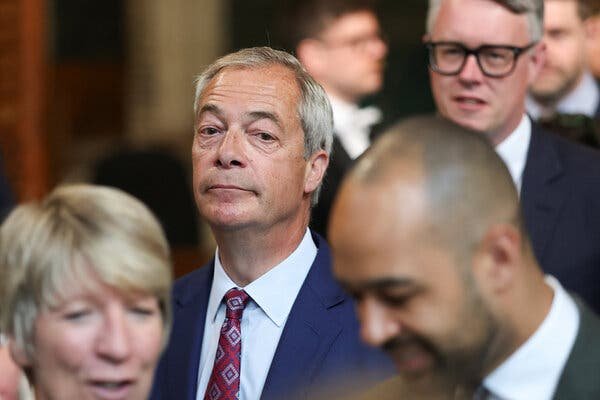
Nigel Farage Faces Scrutiny Over £5 Million Donation as UK Political Finance Rules Come Under Pressure
The Reform UK leader is being examined over a major political donation amid questions about transparency, permissible funding sources, and the wider vulnerabilities in Britain’s party finance system.
The United Kingdom’s political financing system is under renewed scrutiny following the emergence of questions surrounding a reported five million pound donation linked to Nigel Farage, leader of Reform UK, making this a system-driven story centered on electoral funding rules, regulatory oversight, and party financing transparency.
What is confirmed is that concerns have been raised about the legitimacy, structure, and disclosure of a substantial financial contribution associated with Reform UK and its political activities under Farage’s leadership.
The investigation focuses on whether the donation complies with UK electoral law, which sets strict rules on who can fund political parties, how donations must be declared, and what constitutes permissible funding under the Electoral Commission framework.
In the UK, political donations above certain thresholds must be reported and can only be accepted from “permissible donors,” typically individuals registered on UK electoral rolls, UK-registered companies carrying out business in the country, or certain approved organizations.
Foreign funding is prohibited.
The key issue is not only the size of the donation, but its provenance, structure, and whether it was properly declared and verified under these rules.
Nigel Farage has been a central figure in British politics for more than a decade, previously leading the UK Independence Party and later the Brexit Party before rebranding the current political vehicle as Reform UK. His political brand has consistently relied on high public visibility, media engagement, and controversy-driven political messaging.
Reform UK has positioned itself as a challenger party focused on immigration policy, taxation reform, and criticism of the two-party system dominated by Labour and the Conservatives.
The emergence of questions around large-scale donations is politically significant because Reform UK’s operational capacity depends heavily on external funding rather than the established donor networks available to larger parties.
In British politics, financing scale often determines organizational reach, including advertising capacity, campaign staffing, polling operations, and digital outreach.
A donation of this magnitude can materially affect a smaller party’s electoral competitiveness.
Regulatory scrutiny in such cases typically examines donor identity verification, corporate ownership structures, intermediary funding routes, and whether funds originated from sources that are indirectly linked to foreign entities or prohibited funding channels.
The Electoral Commission has historically taken action in cases where donations were found to be improperly reported or ineligible, including fines and enforcement measures.
However, enforcement processes can be lengthy and highly technical, involving financial tracing and legal interpretation of donor structures.
Farage and Reform UK have faced scrutiny in the past over funding transparency and campaign finance practices, though each case is evaluated independently under current regulatory standards.
The political impact of the latest scrutiny extends beyond legal compliance.
In the current UK political environment, questions around political funding are highly sensitive due to broader concerns about foreign interference, digital campaigning influence, and public trust in political institutions.
Opposition parties have frequently argued for tighter controls on political donations, lower thresholds for disclosure, and increased transparency in campaign financing.
Reform UK, meanwhile, has often framed itself as operating outside what it describes as entrenched political establishment structures.
That positioning makes financial scrutiny particularly politically charged.
If regulators determine that any part of the donation structure fails compliance tests, potential outcomes could include mandatory disclosure corrections, fines, repayment orders, or restrictions on future fundraising depending on severity.
However, regulatory findings do not automatically imply wrongdoing.
Investigations of this type are standard when large or complex political donations trigger compliance thresholds or public reporting concerns.
The broader context is that UK political funding rules are increasingly being tested by modern campaign dynamics, including rapid fundraising, digital donation platforms, and cross-border financial complexity.
Smaller or insurgent parties often rely on fewer but larger donors, which increases the visibility and scrutiny of individual contributions compared to established parties with diversified donor bases.
The investigation also highlights the ongoing tension between political fundraising freedom and regulatory safeguards designed to prevent undue influence in democratic processes.
As the review continues, attention is likely to focus on documentation trails, donor identity verification, and whether all reporting obligations were met within required timeframes.
The immediate consequence is increased regulatory and political pressure on Reform UK’s financing model, alongside renewed public debate over how Britain’s political system should regulate large-scale private donations to parties seeking national electoral influence.
What is confirmed is that concerns have been raised about the legitimacy, structure, and disclosure of a substantial financial contribution associated with Reform UK and its political activities under Farage’s leadership.
The investigation focuses on whether the donation complies with UK electoral law, which sets strict rules on who can fund political parties, how donations must be declared, and what constitutes permissible funding under the Electoral Commission framework.
In the UK, political donations above certain thresholds must be reported and can only be accepted from “permissible donors,” typically individuals registered on UK electoral rolls, UK-registered companies carrying out business in the country, or certain approved organizations.
Foreign funding is prohibited.
The key issue is not only the size of the donation, but its provenance, structure, and whether it was properly declared and verified under these rules.
Nigel Farage has been a central figure in British politics for more than a decade, previously leading the UK Independence Party and later the Brexit Party before rebranding the current political vehicle as Reform UK. His political brand has consistently relied on high public visibility, media engagement, and controversy-driven political messaging.
Reform UK has positioned itself as a challenger party focused on immigration policy, taxation reform, and criticism of the two-party system dominated by Labour and the Conservatives.
The emergence of questions around large-scale donations is politically significant because Reform UK’s operational capacity depends heavily on external funding rather than the established donor networks available to larger parties.
In British politics, financing scale often determines organizational reach, including advertising capacity, campaign staffing, polling operations, and digital outreach.
A donation of this magnitude can materially affect a smaller party’s electoral competitiveness.
Regulatory scrutiny in such cases typically examines donor identity verification, corporate ownership structures, intermediary funding routes, and whether funds originated from sources that are indirectly linked to foreign entities or prohibited funding channels.
The Electoral Commission has historically taken action in cases where donations were found to be improperly reported or ineligible, including fines and enforcement measures.
However, enforcement processes can be lengthy and highly technical, involving financial tracing and legal interpretation of donor structures.
Farage and Reform UK have faced scrutiny in the past over funding transparency and campaign finance practices, though each case is evaluated independently under current regulatory standards.
The political impact of the latest scrutiny extends beyond legal compliance.
In the current UK political environment, questions around political funding are highly sensitive due to broader concerns about foreign interference, digital campaigning influence, and public trust in political institutions.
Opposition parties have frequently argued for tighter controls on political donations, lower thresholds for disclosure, and increased transparency in campaign financing.
Reform UK, meanwhile, has often framed itself as operating outside what it describes as entrenched political establishment structures.
That positioning makes financial scrutiny particularly politically charged.
If regulators determine that any part of the donation structure fails compliance tests, potential outcomes could include mandatory disclosure corrections, fines, repayment orders, or restrictions on future fundraising depending on severity.
However, regulatory findings do not automatically imply wrongdoing.
Investigations of this type are standard when large or complex political donations trigger compliance thresholds or public reporting concerns.
The broader context is that UK political funding rules are increasingly being tested by modern campaign dynamics, including rapid fundraising, digital donation platforms, and cross-border financial complexity.
Smaller or insurgent parties often rely on fewer but larger donors, which increases the visibility and scrutiny of individual contributions compared to established parties with diversified donor bases.
The investigation also highlights the ongoing tension between political fundraising freedom and regulatory safeguards designed to prevent undue influence in democratic processes.
As the review continues, attention is likely to focus on documentation trails, donor identity verification, and whether all reporting obligations were met within required timeframes.
The immediate consequence is increased regulatory and political pressure on Reform UK’s financing model, alongside renewed public debate over how Britain’s political system should regulate large-scale private donations to parties seeking national electoral influence.











