
David Beckham Becomes First UK Billionaire Athlete as Inter Miami Stake Drives Wealth Surge
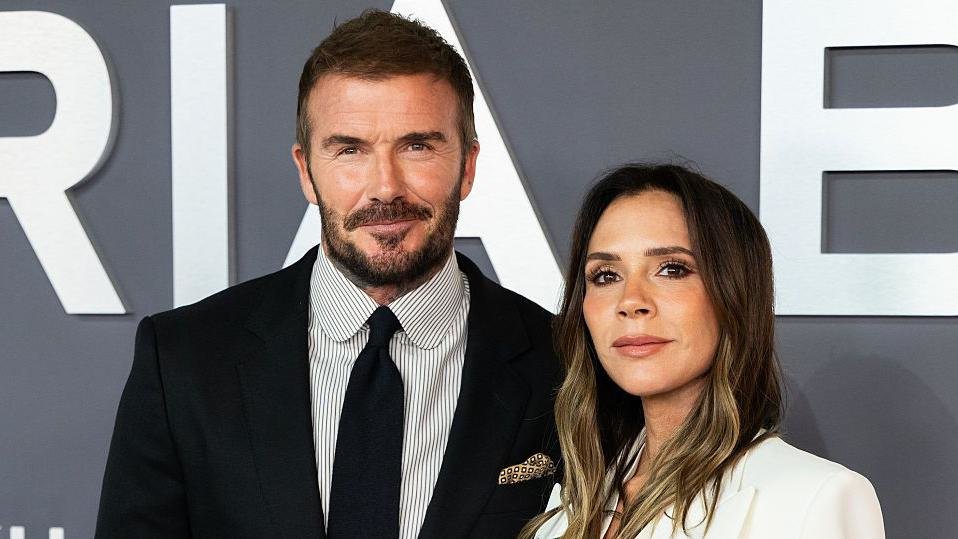
The former England captain and Victoria Beckham reach a combined fortune of £1.185 billion, propelled by Inter Miami’s valuation, endorsement deals and fashion business expansion
SPORTS-DRIVEN wealth accumulation through brand ownership, franchise investment and global endorsements has pushed former England football captain David Beckham into a historic financial milestone, making him the first UK athlete to reach billionaire status.
What is confirmed is that David Beckham, together with his wife Victoria Beckham, now has a combined estimated fortune of approximately £1.185 billion, according to the latest UK wealth rankings published in 2026. This places the couple among the most financially successful sports-linked figures in the country and marks Beckham as the first British sportsperson to cross the billion-pound threshold.
The central driver of this wealth is Beckham’s ownership stake in Inter Miami CF, the Major League Soccer club he co-founded after retiring from professional football.
The franchise has experienced significant valuation growth in recent years, especially following high-profile player acquisitions and rising global commercial interest in the club.
Inter Miami is now widely regarded as one of the most valuable teams in its league, forming the core asset in Beckham’s portfolio.
Beckham’s wealth is also tied to a broader structure of commercial rights, endorsements and equity deals developed after his playing career.
These include long-term brand partnerships with global companies and revenue streams linked to his personal image rights, which have remained highly valuable due to sustained international recognition.
A major liquidity event came earlier through the partial sale of his business interests to a global brand management group, while he retained a significant ongoing equity position.
Victoria Beckham’s fashion business is another substantial contributor to the couple’s combined net worth.
Her label, once heavily loss-making in its early years, has matured into a commercially stable luxury brand with growing annual revenues and international retail presence.
The fashion business is now treated as a significant standalone asset within the couple’s wider financial structure.
The mechanism behind this wealth expansion reflects a broader shift in modern sports economics, where long-term value is increasingly generated through ownership and intellectual property rather than playing salaries alone.
Beckham’s post-retirement strategy illustrates how athletes can transition into equity holders in sports franchises, converting global fame into institutional investment leverage.
The implications extend beyond individual wealth.
Beckham’s position highlights how football franchises in emerging commercial leagues can rapidly appreciate in value when combined with global celebrity ownership and strategic player recruitment.
It also underscores the growing convergence between sport, entertainment branding and private equity-style investment models.
For other athletes, the development reinforces a structural change in elite sport: financial outcomes are now increasingly determined by ownership stakes and brand control rather than career earnings.
In this model, post-retirement business strategy can outweigh on-field success in long-term financial terms.
Beckham’s status as a billionaire athlete also places him within a small group of sports figures whose wealth is driven primarily by diversified investment portfolios rather than a single income stream, marking a shift in how sporting legacies are measured in financial as well as athletic terms.
What is confirmed is that David Beckham, together with his wife Victoria Beckham, now has a combined estimated fortune of approximately £1.185 billion, according to the latest UK wealth rankings published in 2026. This places the couple among the most financially successful sports-linked figures in the country and marks Beckham as the first British sportsperson to cross the billion-pound threshold.
The central driver of this wealth is Beckham’s ownership stake in Inter Miami CF, the Major League Soccer club he co-founded after retiring from professional football.
The franchise has experienced significant valuation growth in recent years, especially following high-profile player acquisitions and rising global commercial interest in the club.
Inter Miami is now widely regarded as one of the most valuable teams in its league, forming the core asset in Beckham’s portfolio.
Beckham’s wealth is also tied to a broader structure of commercial rights, endorsements and equity deals developed after his playing career.
These include long-term brand partnerships with global companies and revenue streams linked to his personal image rights, which have remained highly valuable due to sustained international recognition.
A major liquidity event came earlier through the partial sale of his business interests to a global brand management group, while he retained a significant ongoing equity position.
Victoria Beckham’s fashion business is another substantial contributor to the couple’s combined net worth.
Her label, once heavily loss-making in its early years, has matured into a commercially stable luxury brand with growing annual revenues and international retail presence.
The fashion business is now treated as a significant standalone asset within the couple’s wider financial structure.
The mechanism behind this wealth expansion reflects a broader shift in modern sports economics, where long-term value is increasingly generated through ownership and intellectual property rather than playing salaries alone.
Beckham’s post-retirement strategy illustrates how athletes can transition into equity holders in sports franchises, converting global fame into institutional investment leverage.
The implications extend beyond individual wealth.
Beckham’s position highlights how football franchises in emerging commercial leagues can rapidly appreciate in value when combined with global celebrity ownership and strategic player recruitment.
It also underscores the growing convergence between sport, entertainment branding and private equity-style investment models.
For other athletes, the development reinforces a structural change in elite sport: financial outcomes are now increasingly determined by ownership stakes and brand control rather than career earnings.
In this model, post-retirement business strategy can outweigh on-field success in long-term financial terms.
Beckham’s status as a billionaire athlete also places him within a small group of sports figures whose wealth is driven primarily by diversified investment portfolios rather than a single income stream, marking a shift in how sporting legacies are measured in financial as well as athletic terms.