Former UK Health Minister Signals Leadership Challenge Against Prime Minister Keir Starmer
The announcement points to a potential internal party contest, raising pressure on Labour’s governing stability and leadership cohesion
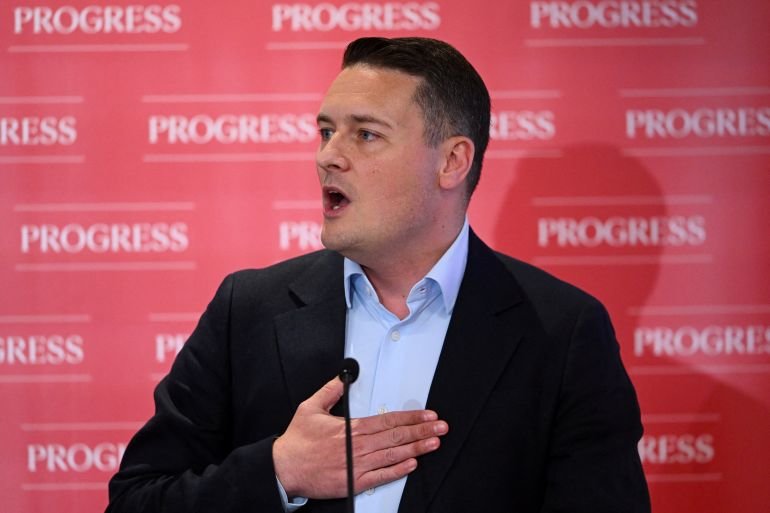
An actor-driven leadership development is emerging within British politics after a former UK health minister publicly indicated an intention to run for the leadership position currently held by Prime Minister Keir Starmer.
The move introduces the possibility of an internal contest inside the governing Labour Party, testing both party unity and the authority of the sitting prime minister.
What is confirmed is that the former minister has expressed a readiness to enter a leadership race.
The framing of the announcement positions it as a direct challenge to the current leadership structure, rather than a routine policy disagreement or external political opposition.
The statement itself places the focus on leadership legitimacy and internal party direction at a time when governing parties typically rely on cohesion to maintain parliamentary stability.
The key issue is the mechanism of leadership challenge within UK party politics.
In parliamentary systems, a prime minister remains in office only as long as they retain the confidence of their party and parliament.
A declared challenger from within the same political party signals potential fractures in that confidence structure, even if no formal contest has yet been triggered.
Such challenges typically depend on internal party rules, thresholds of support among MPs, and broader party sentiment rather than a direct public vote.
The development also highlights the strategic stakes for Keir Starmer’s leadership.
Internal challenges often force party leaders to consolidate support among legislators, manage competing ideological factions, and reaffirm policy direction.
Even the signaling of a challenge can influence market perceptions of political stability and affect government agenda-setting capacity.
For the challenger, the announcement functions as both a political positioning move and a test of internal support.
Leadership bids in Westminster politics are rarely isolated declarations; they depend on securing backing from influential parliamentary blocs and party structures.
The success or failure of such a bid is determined less by public messaging and more by internal negotiations and confidence-building within the party apparatus.
The broader implication is that the Labour Party’s governing period under Keir Starmer is entering a phase where internal leadership cohesion is being publicly tested.
Whether the challenge develops into a formal contest or remains a signalling event, it shifts attention toward party stability at the centre of government decision-making, reinforcing that leadership authority in a parliamentary system is continuously subject to internal political validation.
The move introduces the possibility of an internal contest inside the governing Labour Party, testing both party unity and the authority of the sitting prime minister.
What is confirmed is that the former minister has expressed a readiness to enter a leadership race.
The framing of the announcement positions it as a direct challenge to the current leadership structure, rather than a routine policy disagreement or external political opposition.
The statement itself places the focus on leadership legitimacy and internal party direction at a time when governing parties typically rely on cohesion to maintain parliamentary stability.
The key issue is the mechanism of leadership challenge within UK party politics.
In parliamentary systems, a prime minister remains in office only as long as they retain the confidence of their party and parliament.
A declared challenger from within the same political party signals potential fractures in that confidence structure, even if no formal contest has yet been triggered.
Such challenges typically depend on internal party rules, thresholds of support among MPs, and broader party sentiment rather than a direct public vote.
The development also highlights the strategic stakes for Keir Starmer’s leadership.
Internal challenges often force party leaders to consolidate support among legislators, manage competing ideological factions, and reaffirm policy direction.
Even the signaling of a challenge can influence market perceptions of political stability and affect government agenda-setting capacity.
For the challenger, the announcement functions as both a political positioning move and a test of internal support.
Leadership bids in Westminster politics are rarely isolated declarations; they depend on securing backing from influential parliamentary blocs and party structures.
The success or failure of such a bid is determined less by public messaging and more by internal negotiations and confidence-building within the party apparatus.
The broader implication is that the Labour Party’s governing period under Keir Starmer is entering a phase where internal leadership cohesion is being publicly tested.
Whether the challenge develops into a formal contest or remains a signalling event, it shifts attention toward party stability at the centre of government decision-making, reinforcing that leadership authority in a parliamentary system is continuously subject to internal political validation.