EU Considers Agricultural Concession to UK in Effort to Reset Post-Brexit Trade Relations
Brussels is weighing changes to farm trade rules that could ease exports and regulatory friction, marking a cautious shift in the post-Brexit economic relationship.
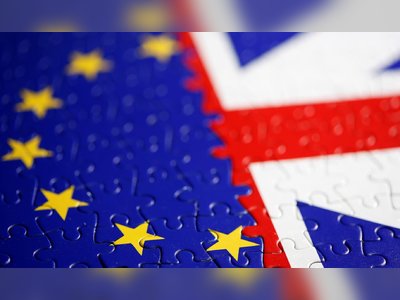
The structure of post-Brexit trade governance between the European Union and the United Kingdom is now shaping a potential recalibration of agricultural market access rules, as EU institutions consider offering concessions aimed at easing friction in farm goods trade.
What is confirmed is that discussions are underway within European policy circles about adjusting certain agricultural trade barriers affecting UK exports to the EU. These talks form part of a broader effort to stabilise and improve the post-Brexit trading relationship, which has remained constrained by regulatory divergence since the UK left the EU single market and customs union.
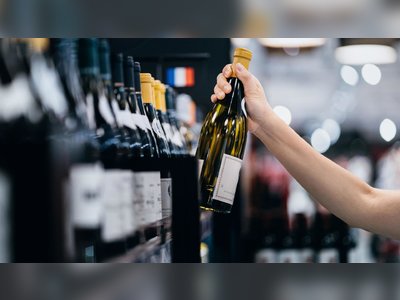
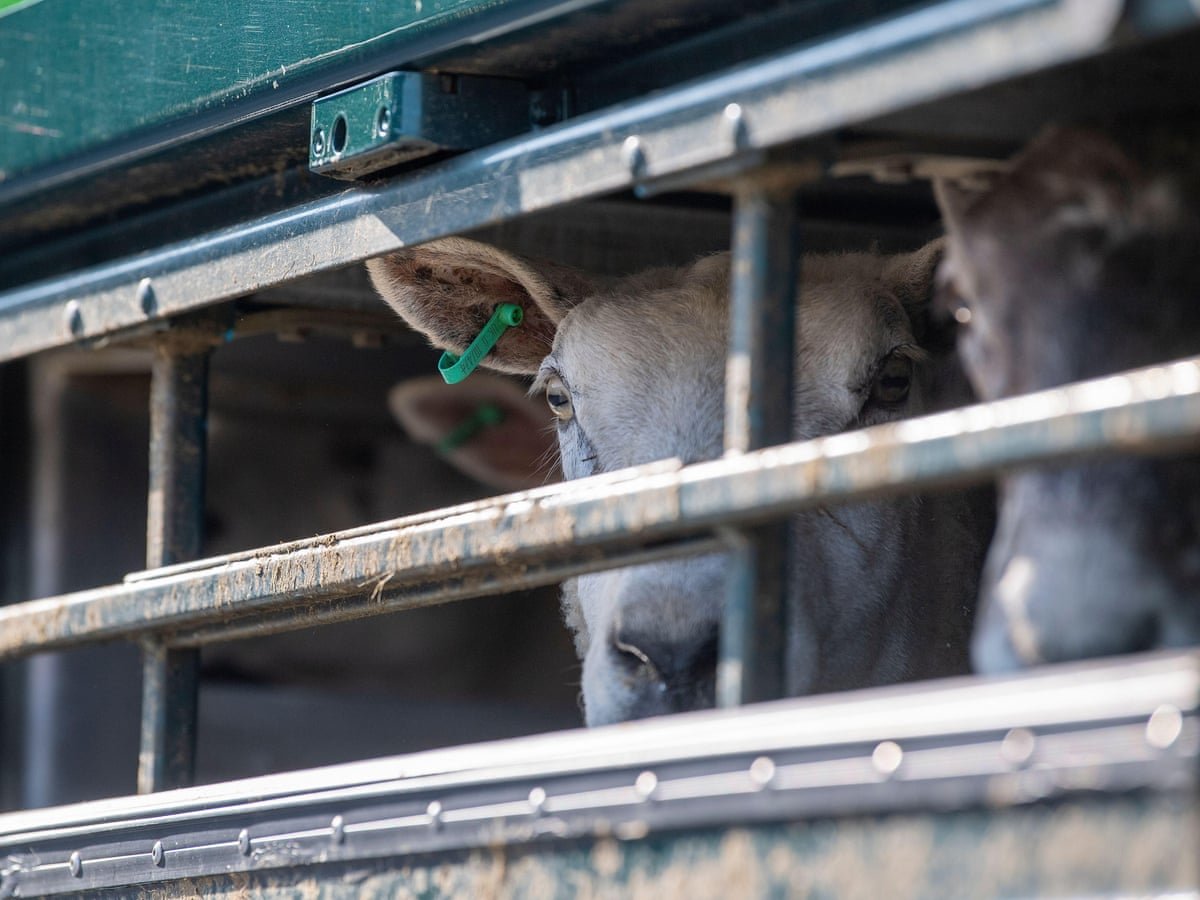
Agriculture has been one of the most sensitive sectors in the post-Brexit framework due to strict sanitary and phytosanitary standards governing food safety, animal health, and plant regulation.
After Brexit, UK exports to the EU have faced increased paperwork, border checks, and certification requirements, raising costs and reducing efficiency for producers on both sides.
The potential concession being considered would not represent a return to full single market access but could involve targeted easing of specific controls or improved regulatory alignment mechanisms.
These adjustments are being discussed in the context of broader EU-UK cooperation efforts, including energy security coordination, defence alignment, and trade facilitation.
A key constraint remains the EU’s regulatory system, which is built on uniform standards across all member states to protect food safety and market integrity.
Any concession to the UK would need to preserve these standards while avoiding the perception of undermining internal EU rules.
This makes the process highly technical and politically sensitive within EU institutions and member state governments.
From the UK perspective, easing agricultural trade barriers is a priority for exporters, particularly in sectors such as meat, dairy, and processed foods, where post-Brexit costs have significantly affected competitiveness in European markets.
Improved access would also reduce administrative burdens on businesses that have had to adapt to new compliance systems since withdrawal from the EU.
The broader implication is that both sides are exploring incremental adjustments rather than a structural reversal of Brexit arrangements.
This reflects a pragmatic shift toward managing economic friction while maintaining the political reality of separation between the UK and EU frameworks.
If agreed, the concession would mark one of the most tangible signs of post-Brexit regulatory softening in agricultural trade, easing specific bottlenecks while leaving the core legal and political architecture of the UK-EU relationship intact.
What is confirmed is that discussions are underway within European policy circles about adjusting certain agricultural trade barriers affecting UK exports to the EU. These talks form part of a broader effort to stabilise and improve the post-Brexit trading relationship, which has remained constrained by regulatory divergence since the UK left the EU single market and customs union.
Agriculture has been one of the most sensitive sectors in the post-Brexit framework due to strict sanitary and phytosanitary standards governing food safety, animal health, and plant regulation.
After Brexit, UK exports to the EU have faced increased paperwork, border checks, and certification requirements, raising costs and reducing efficiency for producers on both sides.
The potential concession being considered would not represent a return to full single market access but could involve targeted easing of specific controls or improved regulatory alignment mechanisms.
These adjustments are being discussed in the context of broader EU-UK cooperation efforts, including energy security coordination, defence alignment, and trade facilitation.
A key constraint remains the EU’s regulatory system, which is built on uniform standards across all member states to protect food safety and market integrity.
Any concession to the UK would need to preserve these standards while avoiding the perception of undermining internal EU rules.
This makes the process highly technical and politically sensitive within EU institutions and member state governments.
From the UK perspective, easing agricultural trade barriers is a priority for exporters, particularly in sectors such as meat, dairy, and processed foods, where post-Brexit costs have significantly affected competitiveness in European markets.
Improved access would also reduce administrative burdens on businesses that have had to adapt to new compliance systems since withdrawal from the EU.
The broader implication is that both sides are exploring incremental adjustments rather than a structural reversal of Brexit arrangements.
This reflects a pragmatic shift toward managing economic friction while maintaining the political reality of separation between the UK and EU frameworks.
If agreed, the concession would mark one of the most tangible signs of post-Brexit regulatory softening in agricultural trade, easing specific bottlenecks while leaving the core legal and political architecture of the UK-EU relationship intact.