UK Bars Seven Individuals Ahead of Far-Right Rally in Security Clampdown
Authorities block entry to individuals linked to extremist activity concerns as public order risks rise around planned demonstration
The dominant driver of this development is an actor-driven security decision by UK authorities to restrict entry to individuals deemed a potential risk to public order ahead of a planned far-right rally.
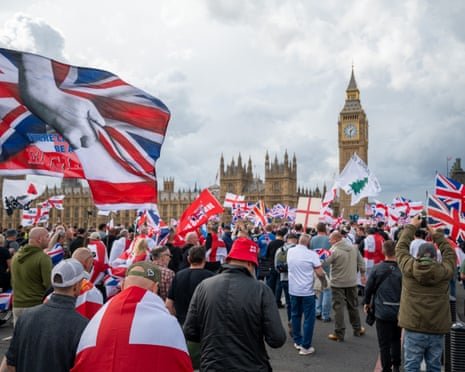
Seven people have been barred from entering the United Kingdom in connection with an upcoming far-right rally, in a move reflecting heightened security sensitivity around politically charged demonstrations.
The action forms part of broader efforts by UK authorities to prevent public disorder and limit the influence of individuals associated with extremist or violent political activity.
What is confirmed is that immigration and security authorities have used existing legal powers to deny entry to these individuals.
Such measures are typically applied when there are grounds to believe a person’s presence could incite unrest, contribute to extremist mobilisation, or pose a threat to public safety.
The decision indicates a preventive approach rather than a response to any incident that has already occurred.
Far-right rallies in the UK have periodically prompted concern among law enforcement agencies due to the potential for clashes with counter-protesters and the presence of individuals with known extremist affiliations.
In recent years, public order policing has increasingly focused on early intervention, including monitoring travel into the country when events are expected to attract international participants.
The individuals affected by the entry ban are understood to be associated, in varying degrees, with far-right political networks.
However, the specific evidence used to justify each exclusion has not been made public, consistent with standard practice in national security-related immigration decisions.
Authorities typically avoid disclosing operational details to prevent undermining enforcement methods or intelligence sources.
The move takes place within a broader context of rising concern among European governments about transnational extremist mobilisation.
Online networks have made it easier for ideological groups to coordinate attendance at rallies across borders, increasing the complexity of policing such events.
UK authorities have responded by strengthening coordination between immigration enforcement, counter-terrorism units, and local policing agencies.
The legal framework underpinning these exclusions allows the government to refuse entry to non-citizens on grounds including national security, public order, and involvement in extremist activity.
These powers are exercised at the border and do not require a criminal conviction, meaning they can be applied based on intelligence assessments rather than court findings.
The immediate consequence of the decision is to reduce the likelihood of external participants contributing to potential unrest at the rally.
However, the broader challenge of managing politically motivated public disorder remains, particularly as demonstrations become more frequent and polarised across parts of the UK and Europe.
The measure underscores an ongoing shift toward preventive security policy in relation to politically sensitive gatherings, where authorities aim to reduce risk before events occur rather than respond after escalation has begun.
Seven people have been barred from entering the United Kingdom in connection with an upcoming far-right rally, in a move reflecting heightened security sensitivity around politically charged demonstrations.
The action forms part of broader efforts by UK authorities to prevent public disorder and limit the influence of individuals associated with extremist or violent political activity.
What is confirmed is that immigration and security authorities have used existing legal powers to deny entry to these individuals.
Such measures are typically applied when there are grounds to believe a person’s presence could incite unrest, contribute to extremist mobilisation, or pose a threat to public safety.
The decision indicates a preventive approach rather than a response to any incident that has already occurred.
Far-right rallies in the UK have periodically prompted concern among law enforcement agencies due to the potential for clashes with counter-protesters and the presence of individuals with known extremist affiliations.
In recent years, public order policing has increasingly focused on early intervention, including monitoring travel into the country when events are expected to attract international participants.
The individuals affected by the entry ban are understood to be associated, in varying degrees, with far-right political networks.
However, the specific evidence used to justify each exclusion has not been made public, consistent with standard practice in national security-related immigration decisions.
Authorities typically avoid disclosing operational details to prevent undermining enforcement methods or intelligence sources.
The move takes place within a broader context of rising concern among European governments about transnational extremist mobilisation.
Online networks have made it easier for ideological groups to coordinate attendance at rallies across borders, increasing the complexity of policing such events.
UK authorities have responded by strengthening coordination between immigration enforcement, counter-terrorism units, and local policing agencies.
The legal framework underpinning these exclusions allows the government to refuse entry to non-citizens on grounds including national security, public order, and involvement in extremist activity.
These powers are exercised at the border and do not require a criminal conviction, meaning they can be applied based on intelligence assessments rather than court findings.
The immediate consequence of the decision is to reduce the likelihood of external participants contributing to potential unrest at the rally.
However, the broader challenge of managing politically motivated public disorder remains, particularly as demonstrations become more frequent and polarised across parts of the UK and Europe.
The measure underscores an ongoing shift toward preventive security policy in relation to politically sensitive gatherings, where authorities aim to reduce risk before events occur rather than respond after escalation has begun.