Former UK official alleges Downing Street pressure over Mandelson US ambassador security approval
Olly Robbins tells MPs he felt sustained political pressure to fast-track Peter Mandelson’s appointment to Washington despite security vetting concerns flagged by officials.
A former senior UK foreign service official has told lawmakers that he felt significant political pressure from Downing Street to expedite the approval process for Peter Mandelson’s appointment as ambassador to the United States, despite unresolved concerns raised during security vetting.
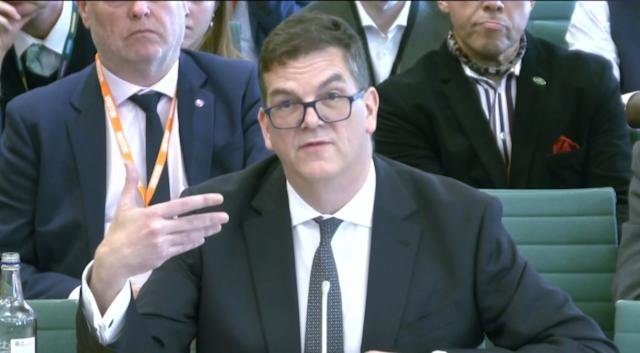
Olly Robbins, who previously headed the Foreign Office and was recently dismissed from his post, gave evidence to a parliamentary committee in which he described what he called an “atmosphere of pressure” surrounding the decision-making process.
He said there was a strong expectation from the Prime Minister’s office that Mandelson needed to be in Washington as quickly as possible, reflecting the diplomatic importance attached to the posting.
Robbins said the pressure he experienced was not linked to Mandelson’s past associations with Jeffrey Epstein, but rather to a broader push to finalise the appointment rapidly.
He told lawmakers that while he approved the clearance process, he was operating under what he described as sustained urgency from political leadership.
According to his testimony, the government’s security vetting body had raised concerns about Mandelson’s suitability, with internal assessments reportedly treating the case as borderline and indicating a possible recommendation against approval.
Robbins said he was not shown the full formal recommendation at the time he signed off on the process, relying instead on verbal briefings from security officials.
The appointment of Mandelson to the key diplomatic role in Washington has since become a focal point of political scrutiny, particularly following questions over how security advice was handled and communicated within government.
Mandelson, a veteran political figure with extensive international experience, was selected in part to strengthen transatlantic relations at a time of heightened geopolitical tension.
The controversy has triggered wider debate about the balance between political decision-making and independent security vetting in senior diplomatic appointments, with lawmakers continuing to examine whether established procedures were properly followed throughout the process.
Olly Robbins, who previously headed the Foreign Office and was recently dismissed from his post, gave evidence to a parliamentary committee in which he described what he called an “atmosphere of pressure” surrounding the decision-making process.
He said there was a strong expectation from the Prime Minister’s office that Mandelson needed to be in Washington as quickly as possible, reflecting the diplomatic importance attached to the posting.
Robbins said the pressure he experienced was not linked to Mandelson’s past associations with Jeffrey Epstein, but rather to a broader push to finalise the appointment rapidly.
He told lawmakers that while he approved the clearance process, he was operating under what he described as sustained urgency from political leadership.
According to his testimony, the government’s security vetting body had raised concerns about Mandelson’s suitability, with internal assessments reportedly treating the case as borderline and indicating a possible recommendation against approval.
Robbins said he was not shown the full formal recommendation at the time he signed off on the process, relying instead on verbal briefings from security officials.
The appointment of Mandelson to the key diplomatic role in Washington has since become a focal point of political scrutiny, particularly following questions over how security advice was handled and communicated within government.
Mandelson, a veteran political figure with extensive international experience, was selected in part to strengthen transatlantic relations at a time of heightened geopolitical tension.
The controversy has triggered wider debate about the balance between political decision-making and independent security vetting in senior diplomatic appointments, with lawmakers continuing to examine whether established procedures were properly followed throughout the process.