Starmer faces escalating political pressure over Epstein-linked envoy appointment amid vetting controversy
Fresh testimony and internal disclosures intensify scrutiny of the UK Prime Minister’s handling of Peter Mandelson’s ambassadorial appointment to Washington, with questions raised over security vetting and ministerial oversight.
Prime Minister Keir Starmer is confronting intensifying political pressure after new testimony and internal accounts deepened controversy surrounding the appointment of Peter Mandelson as the United Kingdom’s ambassador to the United States, a decision now at the centre of a widening dispute over security vetting and ministerial responsibility.
At the heart of the row are allegations that Downing Street applied sustained pressure to advance Mandelson’s appointment despite concerns raised during the official security vetting process.
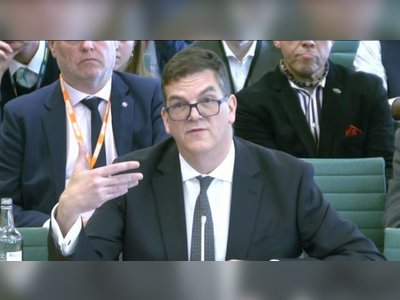
A senior former civil servant told a parliamentary inquiry that officials within the Prime Minister’s office were closely involved in efforts to secure clearance, even as the independent vetting body indicated reservations linked to Mandelson’s past associations with Jeffrey Epstein.
The testimony has placed renewed scrutiny on Starmer’s earlier assurances that key ministers were not informed of adverse vetting conclusions until late in the process.
The Prime Minister has maintained that, had he been made aware of the formal recommendation against clearance, he would not have proceeded with the appointment.
He has also described the decision as a significant error of judgment, while attributing responsibility for the communication breakdown to administrative failures within the Foreign Office.
The controversy has been compounded by additional revelations suggesting that senior officials felt internal pressure to treat the appointment as a priority, with some claiming that procedural safeguards were effectively overridden in practice.
These claims have fuelled criticism from across Parliament and within political circles, where concerns have been raised about governance standards and the handling of sensitive security assessments.
Mandelson, a senior Labour figure with a long political career, was appointed amid expectations that his diplomatic experience would strengthen UK–US relations.
However, his previous links to Epstein have become a focal point of public and parliamentary concern, particularly following the emergence of further documentation relating to their association.
The unfolding dispute has already led to senior resignations within the civil service and intensified debate over accountability in ministerial appointments.
While government allies continue to defend the Prime Minister’s overall leadership and decision-making record, opposition figures are calling for further clarification over how security advice was handled and communicated during the appointment process.
With parliamentary scrutiny ongoing and additional testimony expected, the episode has developed into one of the most significant political challenges of Starmer’s premiership to date, placing renewed attention on the interaction between political decision-making and national security vetting procedures in senior diplomatic appointments.
At the heart of the row are allegations that Downing Street applied sustained pressure to advance Mandelson’s appointment despite concerns raised during the official security vetting process.
A senior former civil servant told a parliamentary inquiry that officials within the Prime Minister’s office were closely involved in efforts to secure clearance, even as the independent vetting body indicated reservations linked to Mandelson’s past associations with Jeffrey Epstein.
The testimony has placed renewed scrutiny on Starmer’s earlier assurances that key ministers were not informed of adverse vetting conclusions until late in the process.
The Prime Minister has maintained that, had he been made aware of the formal recommendation against clearance, he would not have proceeded with the appointment.
He has also described the decision as a significant error of judgment, while attributing responsibility for the communication breakdown to administrative failures within the Foreign Office.
The controversy has been compounded by additional revelations suggesting that senior officials felt internal pressure to treat the appointment as a priority, with some claiming that procedural safeguards were effectively overridden in practice.
These claims have fuelled criticism from across Parliament and within political circles, where concerns have been raised about governance standards and the handling of sensitive security assessments.
Mandelson, a senior Labour figure with a long political career, was appointed amid expectations that his diplomatic experience would strengthen UK–US relations.
However, his previous links to Epstein have become a focal point of public and parliamentary concern, particularly following the emergence of further documentation relating to their association.
The unfolding dispute has already led to senior resignations within the civil service and intensified debate over accountability in ministerial appointments.
While government allies continue to defend the Prime Minister’s overall leadership and decision-making record, opposition figures are calling for further clarification over how security advice was handled and communicated during the appointment process.
With parliamentary scrutiny ongoing and additional testimony expected, the episode has developed into one of the most significant political challenges of Starmer’s premiership to date, placing renewed attention on the interaction between political decision-making and national security vetting procedures in senior diplomatic appointments.