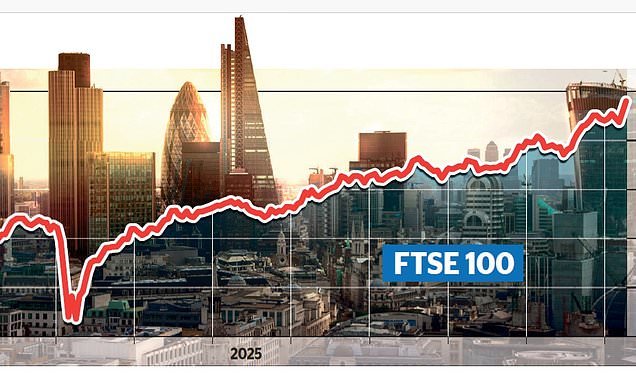
FTSE 100 Climbs to Fresh Record as Investors Look Past AI-Driven Tech Sell-Off
London’s benchmark index sets a new high as gains in insurers, healthcare and energy counterbalance AI-related pressure on software and data stocks
London’s FTSE 100 index extended its rally to reach a fresh record closing high this week, demonstrating resilience even as global markets grapple with heightened concerns over artificial intelligence disruption.
The benchmark closed above ten thousand four hundred points, propelled by strong performances in insurers, healthcare groups and energy majors, as investors rotated capital away from software and data analytics stocks that have come under pressure amid AI-related fears.
Insurer Beazley surged sharply after agreeing key terms of an £8 billion takeover proposal, while pharmaceutical group GSK posted a significant rise following robust earnings, boosting overall market sentiment.
Energy companies also contributed to the upside, with leading oil and gas firms climbing amid firmer crude prices as geopolitical tensions lingered.
Conversely, firms perceived as vulnerable to AI disruption, including data and exchange groups, recorded notable declines, with some posting double-digit losses earlier in the trading week after the launch of advanced AI tools by a major artificial intelligence developer sparked investor anxiety about the future of traditional software business models.
Despite this sector-specific volatility, the broad strength of defensive and cyclical stocks underpinned the FTSE 100’s advance, reflecting a market preference for established, diversified names with solid earnings and dividend prospects.
Market participants interpreted the record close as evidence that investors are seeking stable value in segments less exposed to rapid technological change, even as concerns about AI’s impact on specific industries persist.
The resilience of the UK’s leading equity index underscores continued confidence in its international-earning constituents and suggests that broader economic and geopolitical drivers remain influential in shaping market dynamics.
The benchmark closed above ten thousand four hundred points, propelled by strong performances in insurers, healthcare groups and energy majors, as investors rotated capital away from software and data analytics stocks that have come under pressure amid AI-related fears.
Insurer Beazley surged sharply after agreeing key terms of an £8 billion takeover proposal, while pharmaceutical group GSK posted a significant rise following robust earnings, boosting overall market sentiment.
Energy companies also contributed to the upside, with leading oil and gas firms climbing amid firmer crude prices as geopolitical tensions lingered.
Conversely, firms perceived as vulnerable to AI disruption, including data and exchange groups, recorded notable declines, with some posting double-digit losses earlier in the trading week after the launch of advanced AI tools by a major artificial intelligence developer sparked investor anxiety about the future of traditional software business models.
Despite this sector-specific volatility, the broad strength of defensive and cyclical stocks underpinned the FTSE 100’s advance, reflecting a market preference for established, diversified names with solid earnings and dividend prospects.
Market participants interpreted the record close as evidence that investors are seeking stable value in segments less exposed to rapid technological change, even as concerns about AI’s impact on specific industries persist.
The resilience of the UK’s leading equity index underscores continued confidence in its international-earning constituents and suggests that broader economic and geopolitical drivers remain influential in shaping market dynamics.