UK MPs Urge Swift Proscription of Iran’s Revolutionary Guard Corps Amid Commons Debate on Tehran Crackdown
Parliamentarians press government to accelerate classification of the IRGC as a terrorist organisation while debating Iran’s violent response to protests
Members of the UK Parliament have intensified pressure on the government to rapidly proscribe Iran’s Islamic Revolutionary Guard Corps (IRGC) as a terrorist organisation, as lawmakers debated the Islamic Republic’s brutal crackdown on widespread protests that have drawn international condemnation.
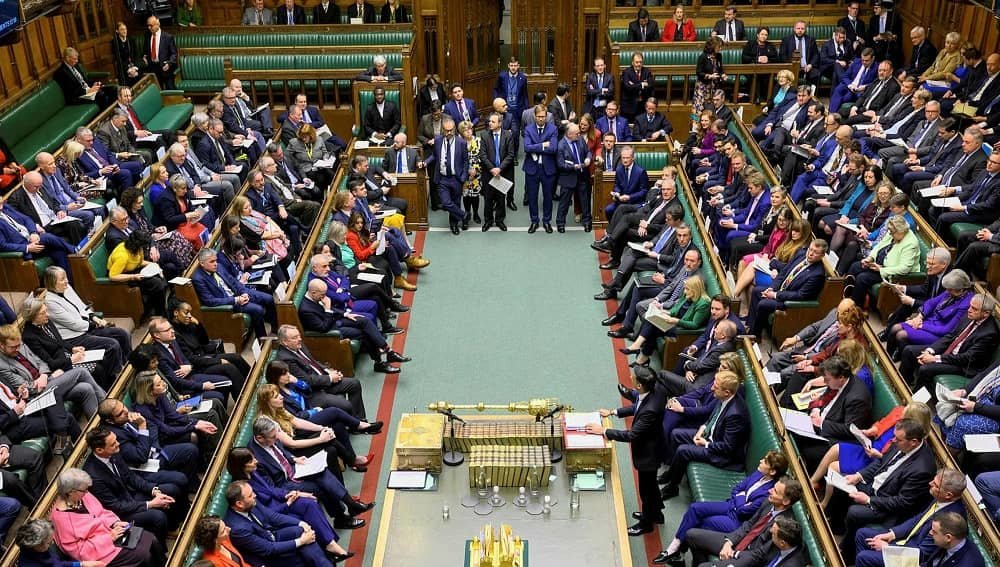
The push came during a Commons session on Tuesday, where cross-party MPs described the situation in Iran as “incredibly grave,” citing reports of mass casualties, large numbers of detentions and severe restrictions on communications that have hindered independent verification of events.
Proponents of proscription argued that designating the IRGC would send a clear message of solidarity with the Iranian people and align the UK with allies such as the United States, Canada, Australia and the European Union, which have already taken similar steps against the organisation.
Critics within the Chamber highlighted what they see as systemic abuses by the IRGC, urging quicker legislative action to ban the paramilitary force and other state apparatuses responsible for violence and repression.
Responding for the government, Foreign Office minister Hamish Falconer affirmed that ministers were treating the matter as an “urgent priority” and seeking to enact relevant legislation “as soon as possible,” but stressed that parliamentary processes and the need for a “state-analogous” framework must be respected.
Falconer underscored that the UK has already taken significant steps to counter Iranian threats, including placing Iran and its security services on the highest tier of the Foreign Influence Registration Scheme, imposing hundreds of sanctions and bolstering tools to disrupt hostile state activity.
The minister also reiterated Britain’s firm condemnation of Iran’s shutdown of internet access and other restrictions on fundamental freedoms, and said officials would maintain pressure on Tehran to uphold basic rights.
Lawmakers from across the political spectrum — including those representing constituencies with Iranian diaspora communities — called for complementary measures to protect dissidents and journalists, enhance accountability mechanisms and ensure that evidence of abuses is preserved.
The debate reflects broader tensions over how best to balance diplomatic engagement, national security imperatives and moral leadership in response to Iran’s domestic repression and the IRGC’s expanding role in regional and global activities.
The push came during a Commons session on Tuesday, where cross-party MPs described the situation in Iran as “incredibly grave,” citing reports of mass casualties, large numbers of detentions and severe restrictions on communications that have hindered independent verification of events.
Proponents of proscription argued that designating the IRGC would send a clear message of solidarity with the Iranian people and align the UK with allies such as the United States, Canada, Australia and the European Union, which have already taken similar steps against the organisation.
Critics within the Chamber highlighted what they see as systemic abuses by the IRGC, urging quicker legislative action to ban the paramilitary force and other state apparatuses responsible for violence and repression.
Responding for the government, Foreign Office minister Hamish Falconer affirmed that ministers were treating the matter as an “urgent priority” and seeking to enact relevant legislation “as soon as possible,” but stressed that parliamentary processes and the need for a “state-analogous” framework must be respected.
Falconer underscored that the UK has already taken significant steps to counter Iranian threats, including placing Iran and its security services on the highest tier of the Foreign Influence Registration Scheme, imposing hundreds of sanctions and bolstering tools to disrupt hostile state activity.
The minister also reiterated Britain’s firm condemnation of Iran’s shutdown of internet access and other restrictions on fundamental freedoms, and said officials would maintain pressure on Tehran to uphold basic rights.
Lawmakers from across the political spectrum — including those representing constituencies with Iranian diaspora communities — called for complementary measures to protect dissidents and journalists, enhance accountability mechanisms and ensure that evidence of abuses is preserved.
The debate reflects broader tensions over how best to balance diplomatic engagement, national security imperatives and moral leadership in response to Iran’s domestic repression and the IRGC’s expanding role in regional and global activities.