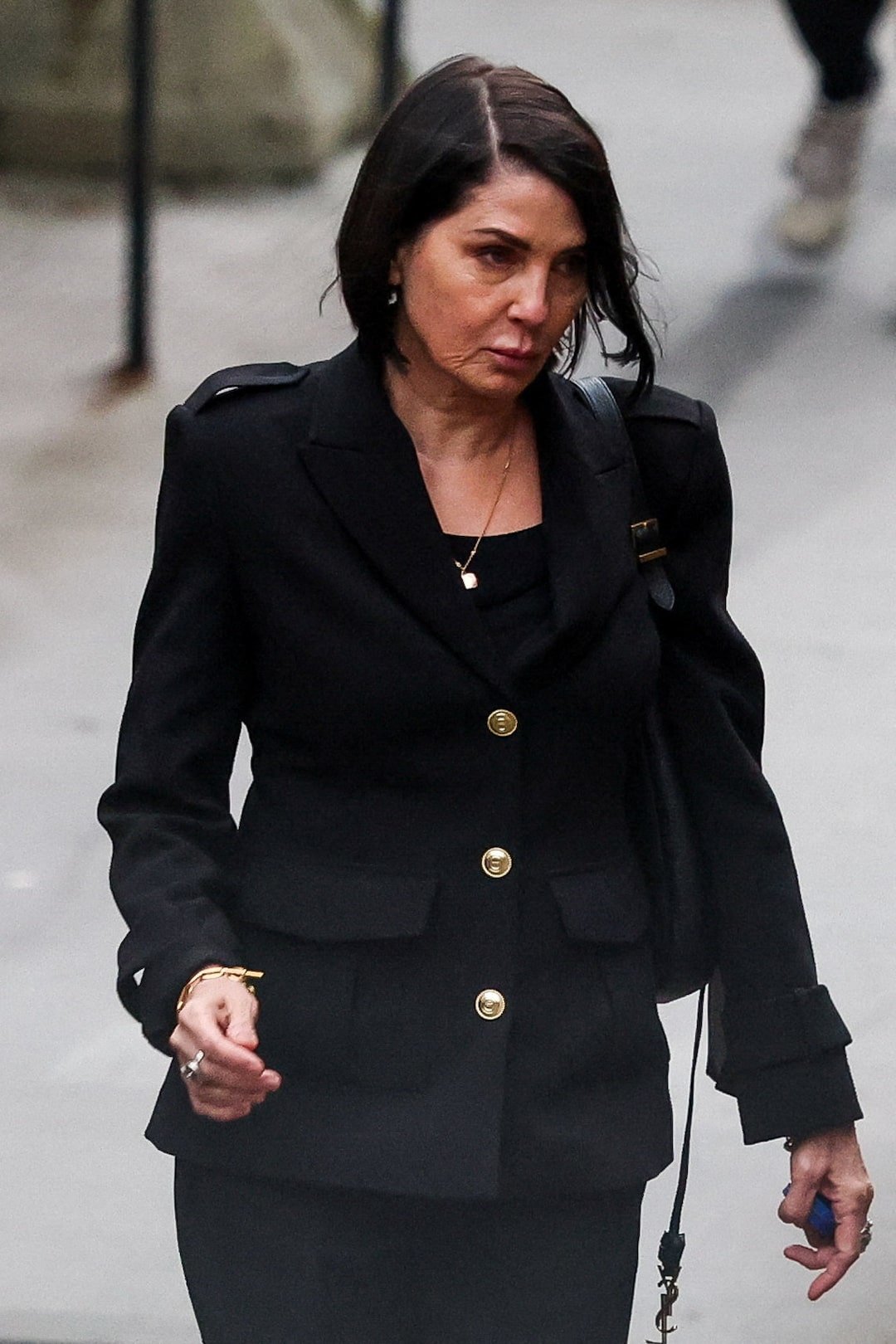

Sadie Frost Tells UK Privacy Trial She Lived Under Constant Threat from Media Intrusion
Actor describes intense harassment and fear during high-profile court case examining press conduct and privacy rights
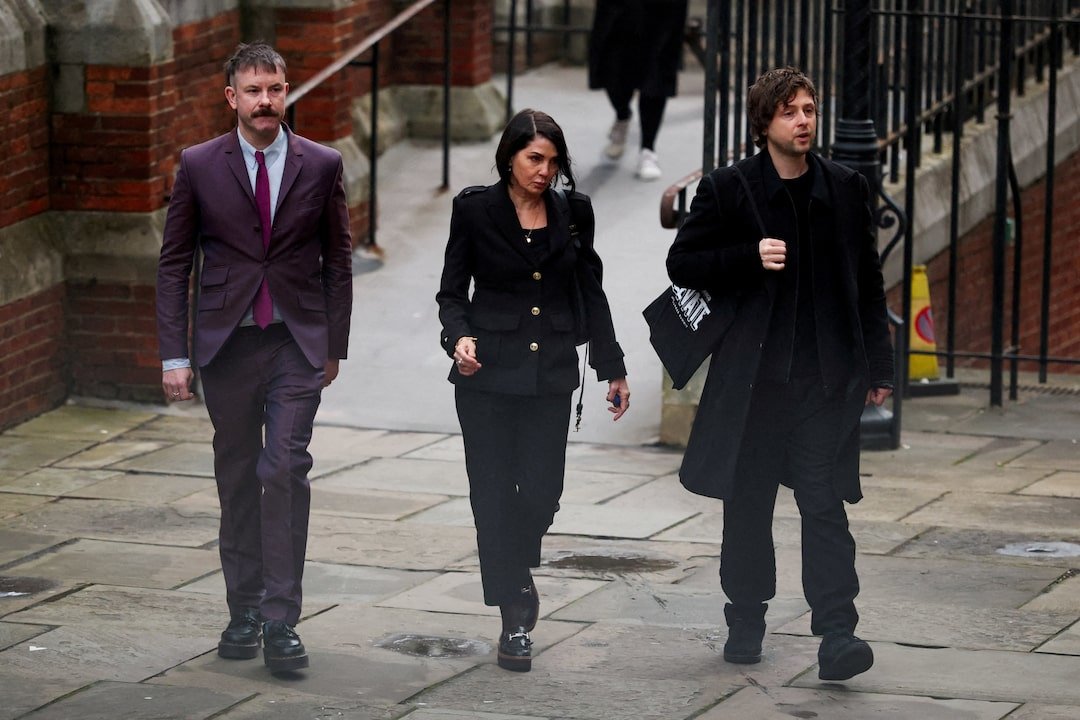
Actor and filmmaker Sadie Frost has told a UK court that relentless media intrusion during the height of her public profile left her feeling as though there was a “price on my head”, as she gave evidence in a high-profile privacy and phone-hacking trial.
Appearing before the court, Frost described an atmosphere of constant surveillance and intimidation, saying she believed journalists were incentivised to obtain personal information about her by any means necessary.
Frost testified that the intrusion went far beyond routine reporting, alleging that private moments, medical details and personal struggles were treated as commodities.
She said the pressure had a severe impact on her mental health and sense of personal safety, explaining that she often felt pursued and unable to escape attention even in private settings.
According to her account, the scale and intensity of the coverage created an environment in which boundaries between public interest and personal life were routinely ignored.
The trial forms part of a broader legal examination into alleged unlawful information-gathering practices by sections of the British press during the late nineteen nineties and early two thousands.
Several prominent figures from the entertainment and public life sectors have brought claims, arguing that phone hacking and other intrusive methods were widely used to generate exclusives and boost circulation.
Frost’s evidence focused on the human cost of such practices, highlighting the emotional toll of living under sustained scrutiny.
She told the court that the sense of being targeted contributed to anxiety and fear, particularly at moments of personal vulnerability, and said the experience fundamentally altered her relationship with public life.
The defendants in the case dispute the allegations and argue that their reporting was conducted lawfully and in accordance with journalistic standards at the time.
The court is expected to hear further testimony before considering whether unlawful conduct occurred and what remedies, if any, may be appropriate under UK privacy law.
Appearing before the court, Frost described an atmosphere of constant surveillance and intimidation, saying she believed journalists were incentivised to obtain personal information about her by any means necessary.
Frost testified that the intrusion went far beyond routine reporting, alleging that private moments, medical details and personal struggles were treated as commodities.
She said the pressure had a severe impact on her mental health and sense of personal safety, explaining that she often felt pursued and unable to escape attention even in private settings.
According to her account, the scale and intensity of the coverage created an environment in which boundaries between public interest and personal life were routinely ignored.
The trial forms part of a broader legal examination into alleged unlawful information-gathering practices by sections of the British press during the late nineteen nineties and early two thousands.
Several prominent figures from the entertainment and public life sectors have brought claims, arguing that phone hacking and other intrusive methods were widely used to generate exclusives and boost circulation.
Frost’s evidence focused on the human cost of such practices, highlighting the emotional toll of living under sustained scrutiny.
She told the court that the sense of being targeted contributed to anxiety and fear, particularly at moments of personal vulnerability, and said the experience fundamentally altered her relationship with public life.
The defendants in the case dispute the allegations and argue that their reporting was conducted lawfully and in accordance with journalistic standards at the time.
The court is expected to hear further testimony before considering whether unlawful conduct occurred and what remedies, if any, may be appropriate under UK privacy law.