Starmer Leadership Pressure Reopens UK Wealth Tax Fault Line as Labour Divisions Deepen
Renewed internal Labour tensions and leadership speculation have intensified debate over taxing wealth, as rival figures float competing proposals while the party’s fiscal strategy comes under strain.
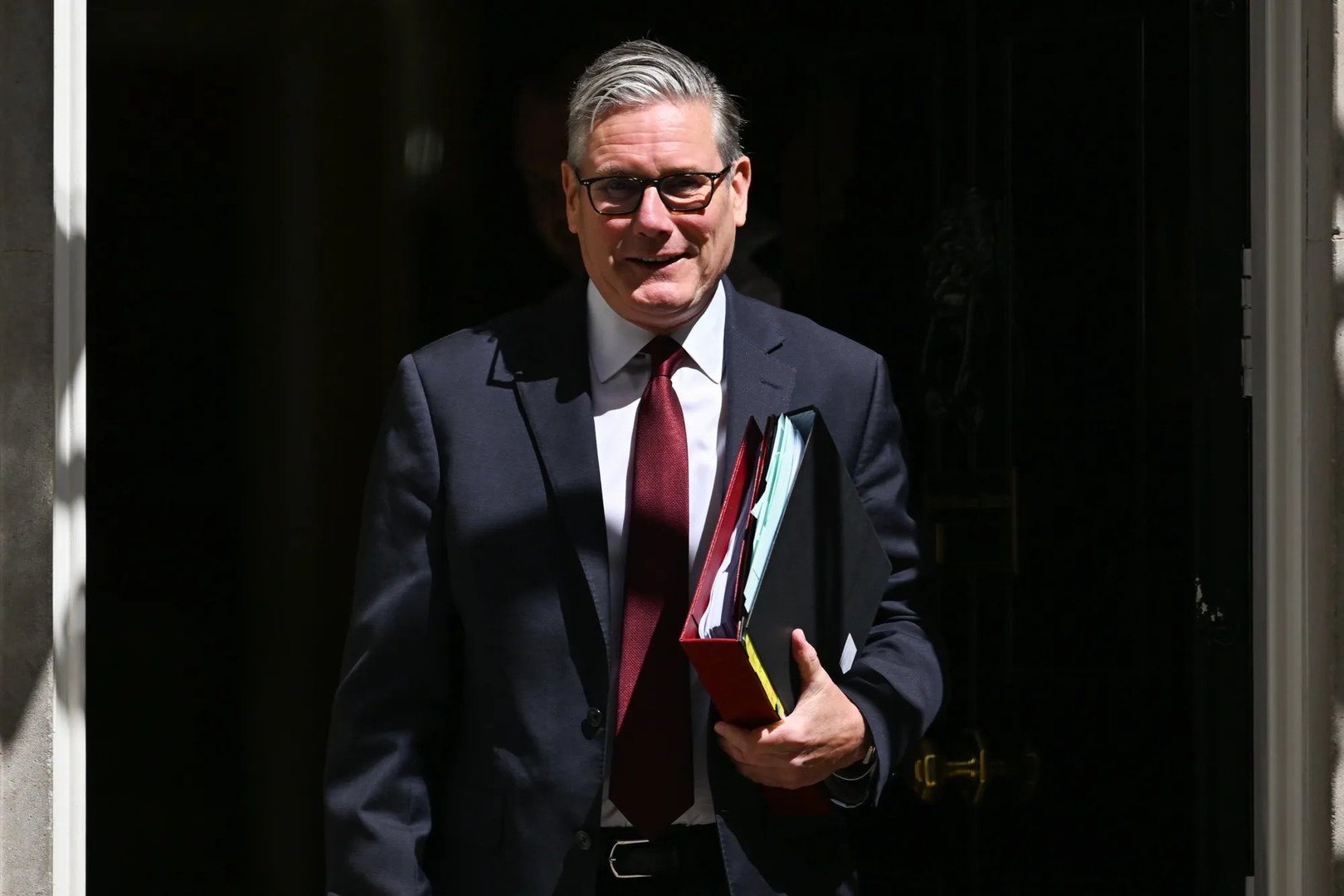
A SYSTEM-DRIVEN political dispute over taxation has re-emerged at the centre of British politics as pressure builds on Prime Minister Keir Starmer’s leadership and competing Labour figures push sharply different ideas on how the United Kingdom should raise revenue.
The immediate trigger is not a single policy announcement but a widening perception of instability inside the governing party, which has reopened long-running questions about whether wealth in Britain is taxed too lightly compared with earnings.
At the heart of the debate is a familiar fiscal divide: whether the state should increase taxation on assets such as property, land, and investment gains, or continue to rely primarily on income-based taxation.
The latest round of discussion has been fuelled by public interventions from senior Labour-aligned figures and potential leadership contenders who argue that wealth is undertaxed relative to labour income, reviving proposals that have previously been politically sensitive within the UK system.
One strand of the emerging debate has focused on land taxation and broader wealth-based levies, with senior Labour figures linked to leadership speculation arguing that structural imbalances in the tax system have contributed to inequality and constrained public finances.
Another strand, associated with more centrist reformers, has centred on aligning capital gains tax more closely with income tax rates, a change advocates say would reduce incentives to reclassify earnings as investment income and increase fiscal revenues without directly raising headline income tax rates.
The political backdrop is a leadership environment in which Starmer faces mounting internal pressure following electoral setbacks and growing public dissatisfaction with economic conditions.
This has encouraged speculation among lawmakers and commentators about possible future leadership contests, even as no formal challenge has been established.
In this environment, policy debates that were previously treated as long-term economic questions have become immediate proxies for intra-party positioning.
The UK tax structure already distinguishes between income, capital gains, inheritance, and property-based taxation, with critics of the current system arguing that wealth accumulated through assets is often taxed at lower effective rates than earnings from work.
Proponents of reform say this creates distortions in investment behaviour and exacerbates inequality, while opponents warn that higher wealth taxes could discourage investment, accelerate capital outflows, and reduce overall economic growth.
Government figures have previously avoided committing to a formal wealth tax, while also declining to rule out future changes that could increase taxation on high-value assets.
This ambiguity has contributed to repeated cycles of speculation, particularly during periods of fiscal pressure when the Treasury faces constraints from borrowing costs, public spending commitments, and weak productivity growth.
The current phase of debate differs from earlier iterations because it is being driven simultaneously by fiscal pressure and leadership uncertainty.
As rival Labour figures position themselves for potential future contests, taxation policy has become both an economic instrument and a political signalling device.
That dual role has intensified scrutiny of any proposal linked to wealth taxation, even when presented as technical reform rather than ideological shift.
For now, no formal policy change has been announced.
But the convergence of leadership speculation and competing tax strategies has ensured that wealth taxation remains a central dividing line in UK economic politics, with implications for investment confidence, fiscal planning, and the internal cohesion of the governing party.
The immediate trigger is not a single policy announcement but a widening perception of instability inside the governing party, which has reopened long-running questions about whether wealth in Britain is taxed too lightly compared with earnings.
At the heart of the debate is a familiar fiscal divide: whether the state should increase taxation on assets such as property, land, and investment gains, or continue to rely primarily on income-based taxation.
The latest round of discussion has been fuelled by public interventions from senior Labour-aligned figures and potential leadership contenders who argue that wealth is undertaxed relative to labour income, reviving proposals that have previously been politically sensitive within the UK system.
One strand of the emerging debate has focused on land taxation and broader wealth-based levies, with senior Labour figures linked to leadership speculation arguing that structural imbalances in the tax system have contributed to inequality and constrained public finances.
Another strand, associated with more centrist reformers, has centred on aligning capital gains tax more closely with income tax rates, a change advocates say would reduce incentives to reclassify earnings as investment income and increase fiscal revenues without directly raising headline income tax rates.
The political backdrop is a leadership environment in which Starmer faces mounting internal pressure following electoral setbacks and growing public dissatisfaction with economic conditions.
This has encouraged speculation among lawmakers and commentators about possible future leadership contests, even as no formal challenge has been established.
In this environment, policy debates that were previously treated as long-term economic questions have become immediate proxies for intra-party positioning.
The UK tax structure already distinguishes between income, capital gains, inheritance, and property-based taxation, with critics of the current system arguing that wealth accumulated through assets is often taxed at lower effective rates than earnings from work.
Proponents of reform say this creates distortions in investment behaviour and exacerbates inequality, while opponents warn that higher wealth taxes could discourage investment, accelerate capital outflows, and reduce overall economic growth.
Government figures have previously avoided committing to a formal wealth tax, while also declining to rule out future changes that could increase taxation on high-value assets.
This ambiguity has contributed to repeated cycles of speculation, particularly during periods of fiscal pressure when the Treasury faces constraints from borrowing costs, public spending commitments, and weak productivity growth.
The current phase of debate differs from earlier iterations because it is being driven simultaneously by fiscal pressure and leadership uncertainty.
As rival Labour figures position themselves for potential future contests, taxation policy has become both an economic instrument and a political signalling device.
That dual role has intensified scrutiny of any proposal linked to wealth taxation, even when presented as technical reform rather than ideological shift.
For now, no formal policy change has been announced.
But the convergence of leadership speculation and competing tax strategies has ensured that wealth taxation remains a central dividing line in UK economic politics, with implications for investment confidence, fiscal planning, and the internal cohesion of the governing party.