Trump Moves to Lift UK Whisky Tariffs After Royal Visit, Framing It as Personal Diplomatic Gesture
The US president says he will remove tariffs on Scotch whisky following King Charles III’s Washington visit, a decision tied to trade tensions, spirits industry pressure, and symbolic diplomacy between the two allies.
The decision by a national government leader to alter trade tariffs as a direct consequence of high-level diplomatic engagement is reshaping the immediate trajectory of US–UK spirits trade policy, following President Donald Trump’s announcement that he will remove tariffs on whisky imports from the United Kingdom after a state visit by King Charles III.
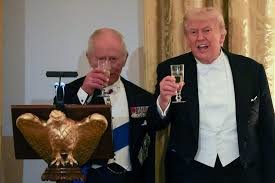
What is confirmed is that Trump announced the change during the final day of the royal visit to Washington, describing it as a gesture “in honor of the King and Queen of the United Kingdom.” The policy shift targets tariffs imposed on Scotch whisky and related trade restrictions affecting transatlantic spirits production, particularly the interlinked supply chains between Scotland and Kentucky bourbon producers.
The mechanism of the change is tied to tariff policy adjustments introduced in earlier trade measures, which applied baseline duties on imported British goods, including whisky.
While the exact legal instrument and scope of the removal are still being clarified in implementation details, officials and industry representatives have treated the announcement as a move toward restoring near-zero tariff conditions for UK whisky exports to the United States.
The context is both economic and symbolic.
The whisky trade between Scotland and the United States is deeply integrated, not only in finished goods but also in shared inputs such as oak barrels used in aging spirits.
Producers on both sides of the Atlantic have argued that tariffs disrupted a historically interdependent supply chain, increasing costs and reducing export volumes.
Industry reaction has been broadly positive.
Spirits trade groups in both countries described the move as stabilizing for producers and exporters, with expectations that it could improve investment conditions and restore competitiveness for UK whisky in the US market.
UK officials also publicly welcomed the decision, emphasizing its importance for a sector that supports thousands of jobs and represents a major export category.
The political dimension is equally significant.
The announcement came at the conclusion of a high-profile state visit intended to reinforce US–UK relations at a time when broader Western alliances have faced strain over trade disputes and foreign policy disagreements.
Trump publicly linked the tariff decision to the personal diplomacy of King Charles III, crediting the monarch with influencing the outcome.
While the announcement signals a policy reversal, the precise implementation timeline and the final structure of the tariff adjustments remain dependent on administrative follow-through within US trade authorities.
Until formal regulatory changes are issued, the measure remains an announced policy direction rather than fully executed law.
The immediate consequence is a shift in expectations across the global spirits market, where producers and exporters are now recalibrating pricing, supply planning, and cross-border investment strategies based on the anticipated reduction in trade barriers between the two countries.
What is confirmed is that Trump announced the change during the final day of the royal visit to Washington, describing it as a gesture “in honor of the King and Queen of the United Kingdom.” The policy shift targets tariffs imposed on Scotch whisky and related trade restrictions affecting transatlantic spirits production, particularly the interlinked supply chains between Scotland and Kentucky bourbon producers.
The mechanism of the change is tied to tariff policy adjustments introduced in earlier trade measures, which applied baseline duties on imported British goods, including whisky.
While the exact legal instrument and scope of the removal are still being clarified in implementation details, officials and industry representatives have treated the announcement as a move toward restoring near-zero tariff conditions for UK whisky exports to the United States.
The context is both economic and symbolic.
The whisky trade between Scotland and the United States is deeply integrated, not only in finished goods but also in shared inputs such as oak barrels used in aging spirits.
Producers on both sides of the Atlantic have argued that tariffs disrupted a historically interdependent supply chain, increasing costs and reducing export volumes.
Industry reaction has been broadly positive.
Spirits trade groups in both countries described the move as stabilizing for producers and exporters, with expectations that it could improve investment conditions and restore competitiveness for UK whisky in the US market.
UK officials also publicly welcomed the decision, emphasizing its importance for a sector that supports thousands of jobs and represents a major export category.
The political dimension is equally significant.
The announcement came at the conclusion of a high-profile state visit intended to reinforce US–UK relations at a time when broader Western alliances have faced strain over trade disputes and foreign policy disagreements.
Trump publicly linked the tariff decision to the personal diplomacy of King Charles III, crediting the monarch with influencing the outcome.
While the announcement signals a policy reversal, the precise implementation timeline and the final structure of the tariff adjustments remain dependent on administrative follow-through within US trade authorities.
Until formal regulatory changes are issued, the measure remains an announced policy direction rather than fully executed law.
The immediate consequence is a shift in expectations across the global spirits market, where producers and exporters are now recalibrating pricing, supply planning, and cross-border investment strategies based on the anticipated reduction in trade barriers between the two countries.