UK Disability Charity Leader Rejects MBE, Accusing Government of ‘Scapegoating’ Disabled People
Tressa Burke, CEO of a major Scottish disability organisation, returns honour nomination in protest at policies she says harm disabled communities
The chief executive of a leading disability rights organisation in Scotland has publicly declined a Member of the Order of the British Empire (MBE) honour, accusing the UK government of fostering harmful rhetoric and policies that marginalise disabled people.
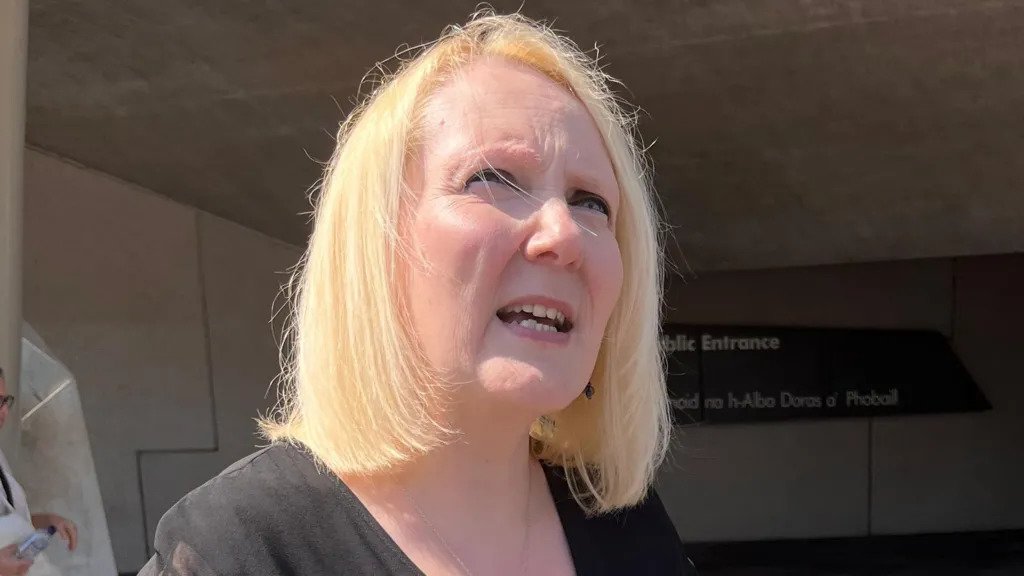
Tressa Burke, who leads the Glasgow Disability Alliance, had been recommended for the award in recognition of her long-term work supporting thousands of disabled individuals but chose to refuse the accolade in a letter to the Cabinet Office.
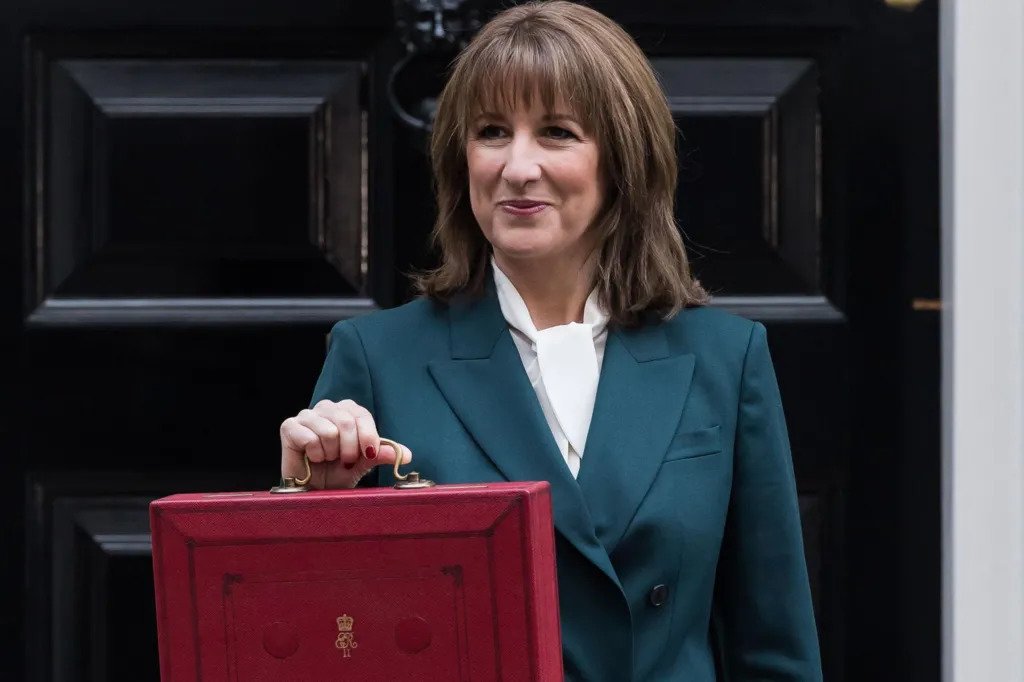
Her decision, timed with the government’s recent budget announcement, was aimed at drawing attention to what she described as systemic retaliation against disabled communities rather than celebrating individual achievement.
Burke said she could not personally accept an honour at a time when disabled people are, in her view, being ‘‘demonised, dehumanised and scapegoated for political choices and policy failures by consecutive governments.’’
Burke’s organisation has grown over two decades into one of Scotland’s foremost voices for disability equality, providing direct support and advocating for policy change.
In her letter declining the MBE, she singled out recent fiscal measures — including tighter disability benefits assessments, adjustments to universal credit health top-ups and cuts to mobility support schemes — as exacerbating inequality and sending a damaging message about societal value and support for disabled citizens.
She emphasised that rejecting the honour was a collective decision to highlight the broader struggle for fair treatment, equality and respect, saying that the achievements of her team and disabled communities were the true drivers of impact rather than individual recognition.
While Burke explicitly stated that she meant no disrespect to others who have accepted national honours, her rejection underscores growing frustration among disability advocates about the government’s approach to welfare and social support.
Disability charities and campaigners have increasingly raised concerns about delays in essential services, financial insecurity and public narratives they see as contributing to social stigma.
Burke also pointed to rising misinformation and negative portrayal surrounding disability entitlements, which she said fuel societal divisions rather than addressing the core issue of wealth and resource distribution.
Her stance is likely to further intensify public discussion about the honours system and its intersection with social justice and policy priorities in the UK.
Tressa Burke, who leads the Glasgow Disability Alliance, had been recommended for the award in recognition of her long-term work supporting thousands of disabled individuals but chose to refuse the accolade in a letter to the Cabinet Office.
Her decision, timed with the government’s recent budget announcement, was aimed at drawing attention to what she described as systemic retaliation against disabled communities rather than celebrating individual achievement.
Burke said she could not personally accept an honour at a time when disabled people are, in her view, being ‘‘demonised, dehumanised and scapegoated for political choices and policy failures by consecutive governments.’’
Burke’s organisation has grown over two decades into one of Scotland’s foremost voices for disability equality, providing direct support and advocating for policy change.
In her letter declining the MBE, she singled out recent fiscal measures — including tighter disability benefits assessments, adjustments to universal credit health top-ups and cuts to mobility support schemes — as exacerbating inequality and sending a damaging message about societal value and support for disabled citizens.
She emphasised that rejecting the honour was a collective decision to highlight the broader struggle for fair treatment, equality and respect, saying that the achievements of her team and disabled communities were the true drivers of impact rather than individual recognition.
While Burke explicitly stated that she meant no disrespect to others who have accepted national honours, her rejection underscores growing frustration among disability advocates about the government’s approach to welfare and social support.
Disability charities and campaigners have increasingly raised concerns about delays in essential services, financial insecurity and public narratives they see as contributing to social stigma.
Burke also pointed to rising misinformation and negative portrayal surrounding disability entitlements, which she said fuel societal divisions rather than addressing the core issue of wealth and resource distribution.
Her stance is likely to further intensify public discussion about the honours system and its intersection with social justice and policy priorities in the UK.