UK Getty Images v Stability AI Ruling Signals Legal Uncertainty for AI Copyright in Singapore and Hong Kong
London’s High Court rejects major copyright claims against Stability AI, setting a precedent that may influence how Asian jurisdictions treat generative AI training and IP enforcement
The United Kingdom’s High Court judgment in the long-running intellectual property dispute between Getty Images and Stability AI has reverberated far beyond Britain, with legal experts in Singapore and Hong Kong evaluating its implications for their own emerging frameworks on generative artificial intelligence and copyright protection.
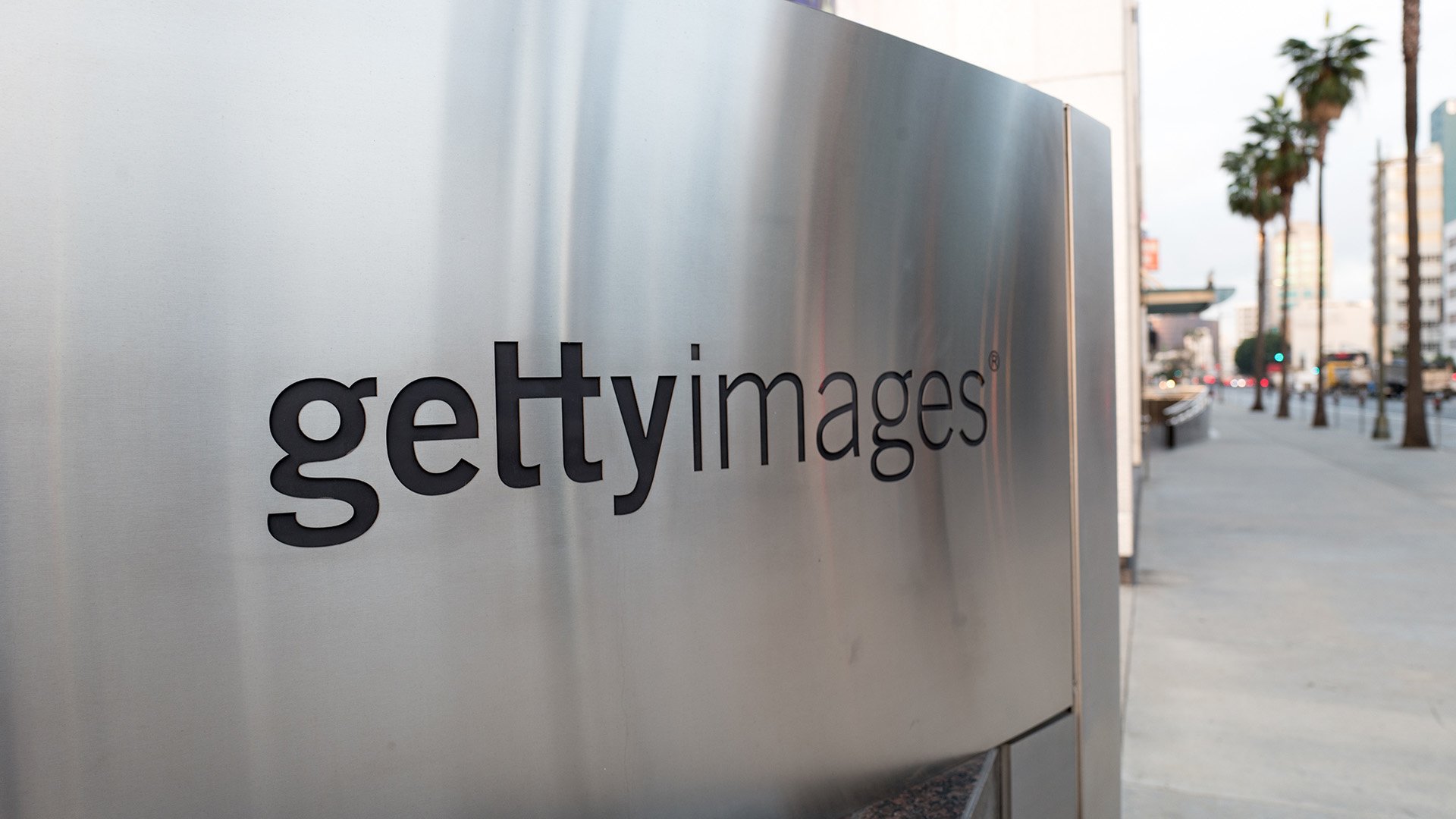
In a decision published on November 4, the court largely dismissed Getty Images’ key claims that Stability AI’s Stable Diffusion model infringed UK copyright for its use of millions of images, while upholding limited findings on trade mark infringement.
The ruling marks the first significant test in a common-law jurisdiction of copyright law’s application to modern AI development and raises questions about how comparable legal systems in Asia might adapt.
:contentReference[oaicite:0]{index=0}
The High Court found that Stable Diffusion itself did not store or contain copies of Getty Images’ works and therefore could not be deemed an “infringing copy” under UK secondary copyright laws, a conclusion that may be seen as favourable for AI developers, particularly those training models outside Britain.
However, the court also affirmed that an “article” under UK law can include intangible software, a legal interpretation that might offer rights holders new avenues to argue secondary infringement in future cases.
The judgment’s narrow scope — shaped in part by Getty’s withdrawal of primary infringement claims on training and database rights — has prompted calls for legislative updates to clarify protection for content owners in the AI era.
:contentReference[oaicite:1]{index=1}
In Singapore, where lawmakers are actively exploring how to regulate artificial intelligence and digital rights, the UK ruling has been noted as a reference point for balancing innovation with rights protection.
Singapore’s legal community is assessing whether intellectual property statutes need explicit provisions addressing training data and generative models, as the UK outcome underscores potential gaps in traditional copyright law when applied to AI systems.
Legal analysts in Hong Kong have similarly observed that the judgment could influence how courts interpret imported AI models that rely on content sourced from the internet, particularly in a landscape where IP enforcement and technological growth are national priorities.
Both jurisdictions maintain copyright frameworks influenced by English common law, increasing the relevance of London’s reasoning for local practice.
:contentReference[oaicite:2]{index=2}
Some commentators caution that the UK decision is a first-instance ruling and subject to appeal, meaning its longer-term impact remains unsettled.
Yet the core principles articulated — such as the distinction between a trained AI model’s functionality and the presence of actual copyrighted copies — are likely to inform regional debates and could shape how Singapore and Hong Kong structure future legislation or judicial approaches on AI and copyright.
Rights holders and AI developers alike are watching closely as authorities in Asia consider whether to adapt existing laws or introduce bespoke rules that address generative AI’s unique challenges, including transparency in training data and liability for outputs.
Observers suggest that regional regulators, like their UK counterparts, may find themselves balancing the promotion of AI innovation with robust enforcement of intellectual property rights as digital economies evolve.
:contentReference[oaicite:3]{index=3}
In a decision published on November 4, the court largely dismissed Getty Images’ key claims that Stability AI’s Stable Diffusion model infringed UK copyright for its use of millions of images, while upholding limited findings on trade mark infringement.
The ruling marks the first significant test in a common-law jurisdiction of copyright law’s application to modern AI development and raises questions about how comparable legal systems in Asia might adapt.
:contentReference[oaicite:0]{index=0}
The High Court found that Stable Diffusion itself did not store or contain copies of Getty Images’ works and therefore could not be deemed an “infringing copy” under UK secondary copyright laws, a conclusion that may be seen as favourable for AI developers, particularly those training models outside Britain.
However, the court also affirmed that an “article” under UK law can include intangible software, a legal interpretation that might offer rights holders new avenues to argue secondary infringement in future cases.
The judgment’s narrow scope — shaped in part by Getty’s withdrawal of primary infringement claims on training and database rights — has prompted calls for legislative updates to clarify protection for content owners in the AI era.
:contentReference[oaicite:1]{index=1}
In Singapore, where lawmakers are actively exploring how to regulate artificial intelligence and digital rights, the UK ruling has been noted as a reference point for balancing innovation with rights protection.
Singapore’s legal community is assessing whether intellectual property statutes need explicit provisions addressing training data and generative models, as the UK outcome underscores potential gaps in traditional copyright law when applied to AI systems.
Legal analysts in Hong Kong have similarly observed that the judgment could influence how courts interpret imported AI models that rely on content sourced from the internet, particularly in a landscape where IP enforcement and technological growth are national priorities.
Both jurisdictions maintain copyright frameworks influenced by English common law, increasing the relevance of London’s reasoning for local practice.
:contentReference[oaicite:2]{index=2}
Some commentators caution that the UK decision is a first-instance ruling and subject to appeal, meaning its longer-term impact remains unsettled.
Yet the core principles articulated — such as the distinction between a trained AI model’s functionality and the presence of actual copyrighted copies — are likely to inform regional debates and could shape how Singapore and Hong Kong structure future legislation or judicial approaches on AI and copyright.
Rights holders and AI developers alike are watching closely as authorities in Asia consider whether to adapt existing laws or introduce bespoke rules that address generative AI’s unique challenges, including transparency in training data and liability for outputs.
Observers suggest that regional regulators, like their UK counterparts, may find themselves balancing the promotion of AI innovation with robust enforcement of intellectual property rights as digital economies evolve.
:contentReference[oaicite:3]{index=3}